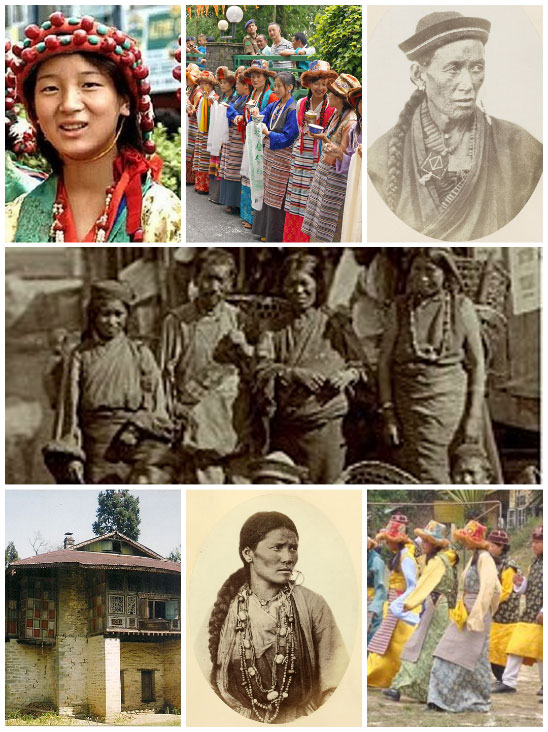
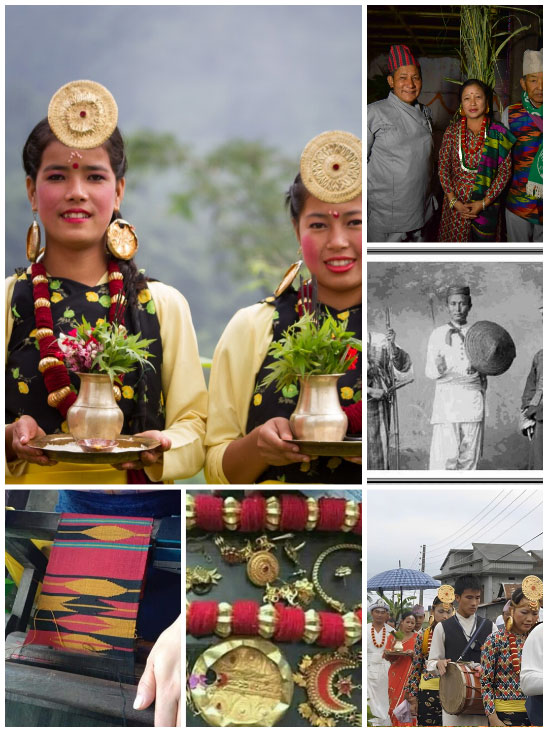
Origin and Existence: The Bhutia tribe is primarily found in the Himalayan regions of India, including the state of Sikkim and parts of West Bengal, Bhutan, and Nepal. They have Tibetan roots and migrated to the eastern Himalayas.
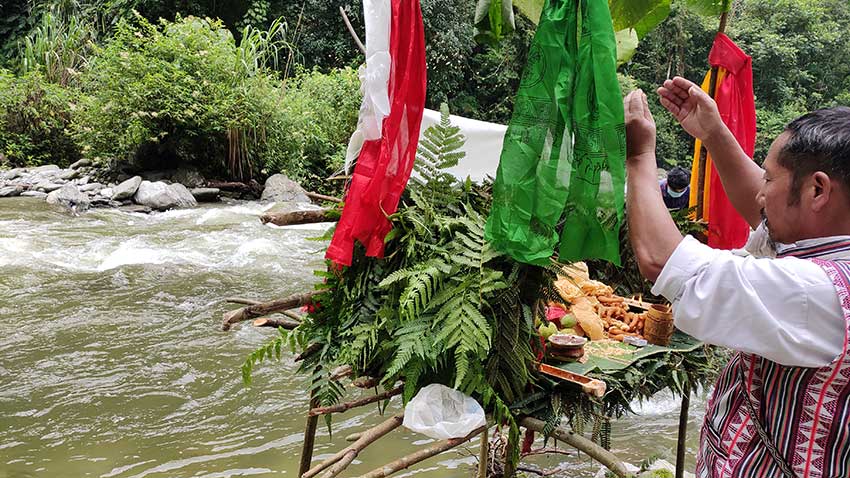
Traditional Culture: Bhutia culture is deeply influenced by Tibetan Buddhism. They follow traditional customs, rituals, and festivals, maintaining a close connection to their spiritual heritage.
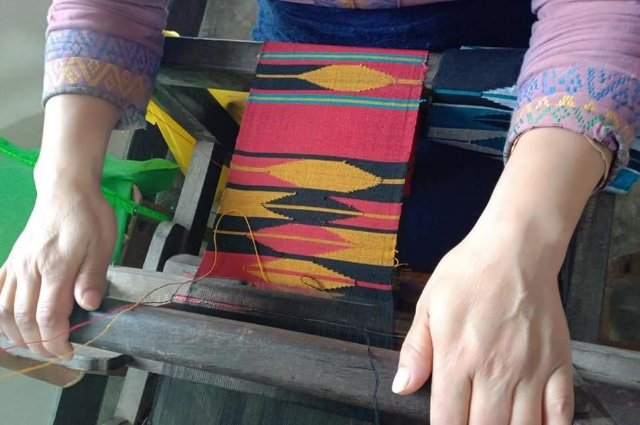
Art and Craft: Skilled in traditional crafts such as Thangka painting, wood carving, and carpet weaving. Bhutia art often features intricate designs with religious and cultural symbolism.
Lifestyle and Occupation: Historically, the Bhutia people were nomadic herders in Tibet, but in the Himalayan regions, they are engaged in agriculture, animal husbandry, and trade. They adapt to the mountainous terrain, utilizing natural resources for their livelihood.
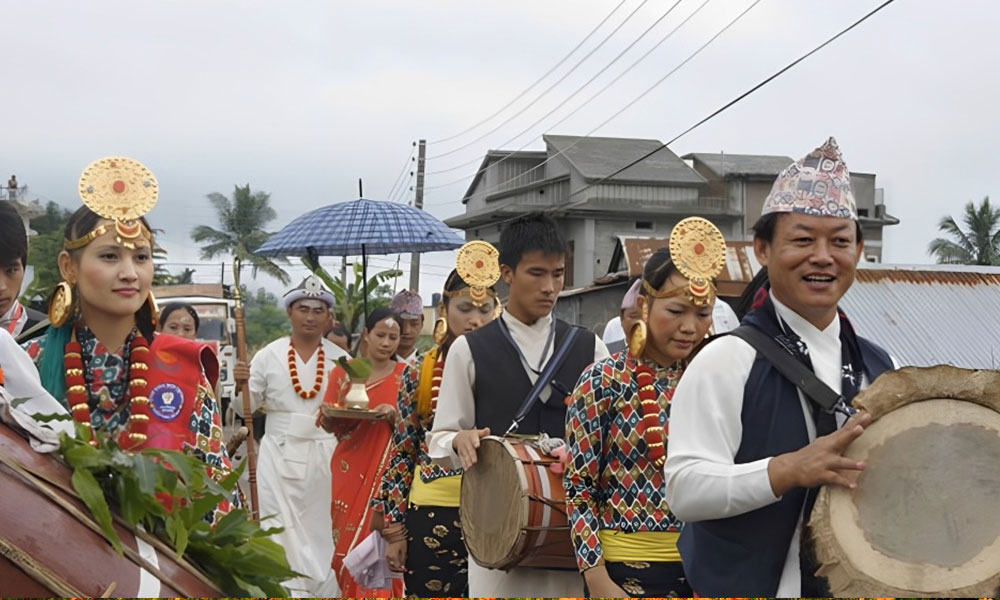
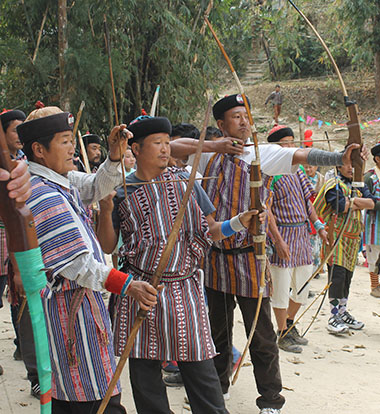
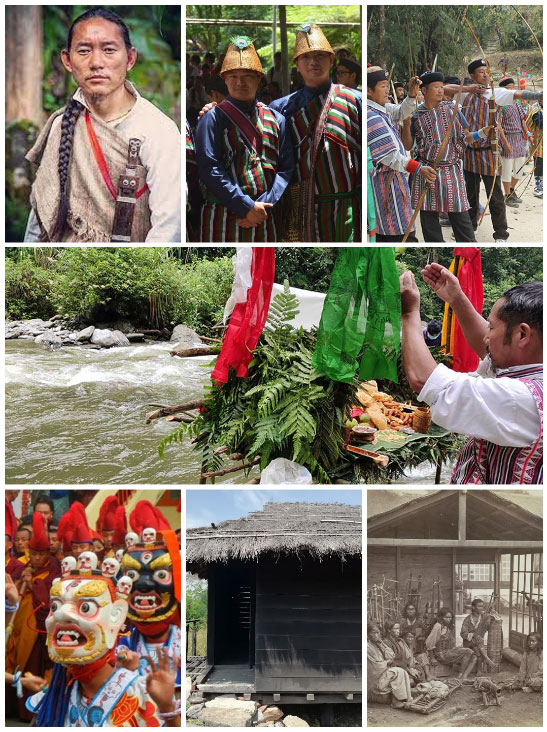
Attire and Adornments: Traditional attire for men includes the Bakhu, a loose gown, and the Kanta, a silk scarf. Women wear colorful Bakhu and Dumvum, a woven apron. Adornments include jewelry like rings, earrings, and traditional headgear.
Cuisine and Diet: The Bhutia cuisine includes staples like rice, barley, and maize. Yak-based products, dairy, and fermented foods are integral to their diet. Butter tea (Suja) is a traditional beverage.
Music, Dance, and Festivals: Traditional music involves instruments like the dramnyen (lute) and gyaling (flute). Cham dance, a masked dance, is performed during religious festivals. Losar, the Tibetan New Year, is a major festival celebrated with traditional music, dance, and rituals.
Societal Importance: The Bhutia community contributes significantly to the cultural diversity of the Himalayan regions. Their traditional knowledge, especially in agriculture and animal husbandry, is crucial for sustainable living in mountainous terrain. The preservation of Bhutia culture is vital for maintaining the unique identity of the region.