Origin and Existence: The Bhotia tribe has its origins in the trans-Himalayan region, spanning areas in northern India, Nepal, and Tibet. They have a long history, and their existence is closely tied to the high-altitude regions of the Himalayas.
Traditional Culture: Bhotia culture is influenced by Tibetan traditions due to their historical connections with Tibet. They have unique customs, rituals, and religious practices, often centered around Tibetan Buddhism.
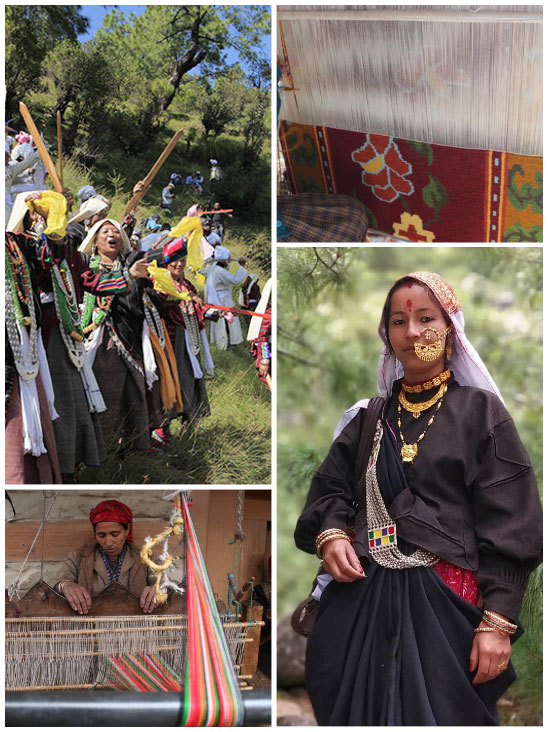
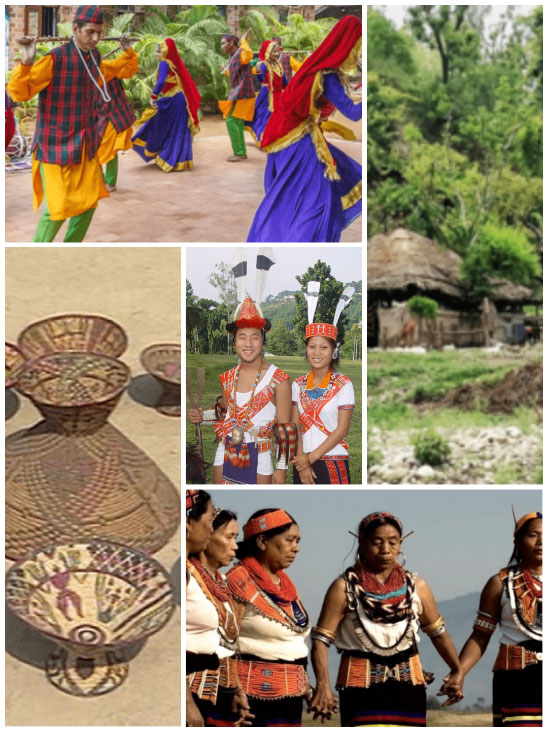
Art and Craft: Bhotias are skilled in traditional crafts such as thangka painting, carpet weaving, and wood carving. These crafts often have religious and utilitarian significance.
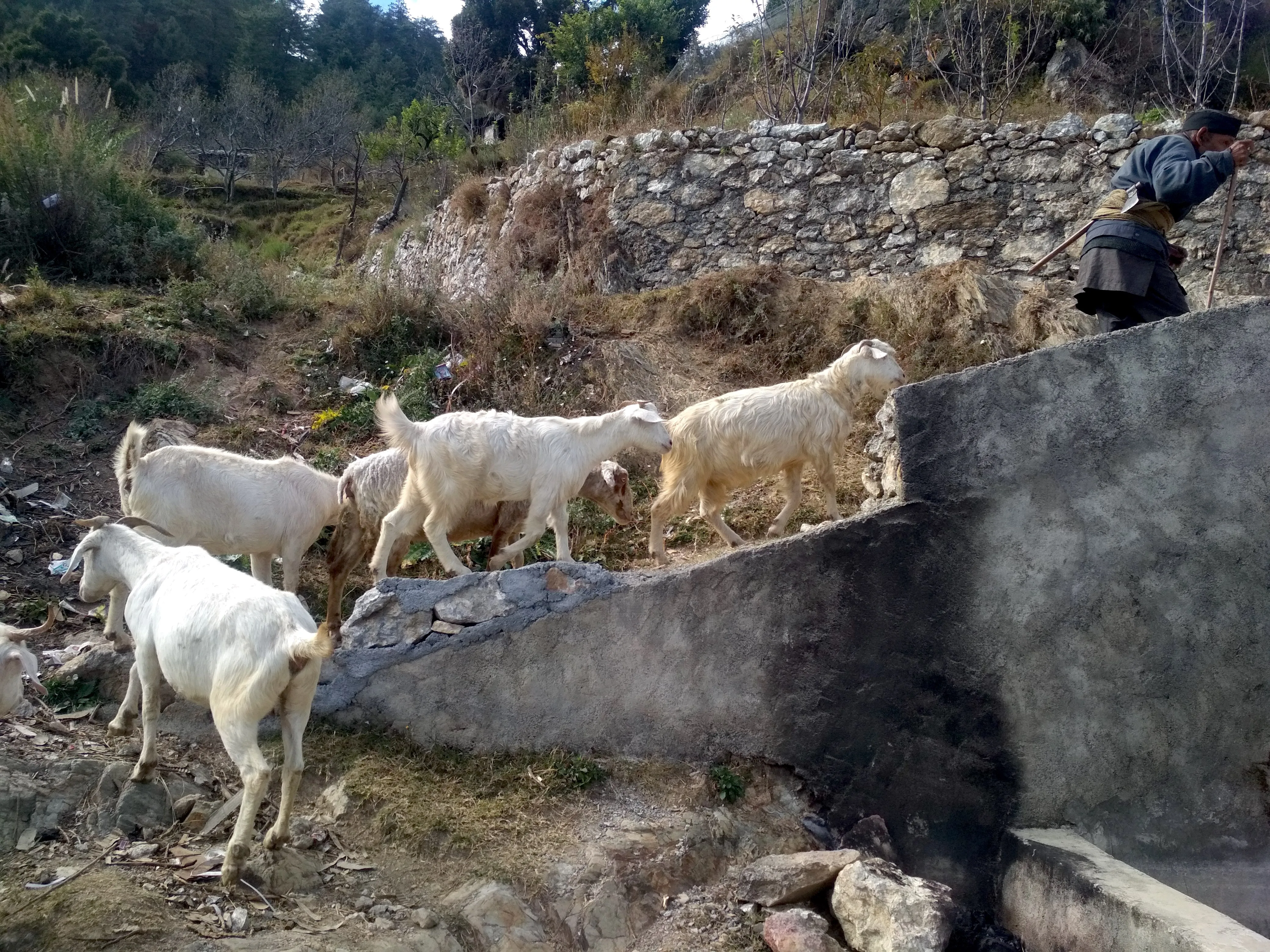
Lifestyle and Occupation: Traditionally, the Bhotia tribe has been involved in trade along the Indo-Tibetan border, serving as intermediaries between India and Tibet. Agriculture, animal husbandry, and trade-related activities are integral to their lifestyle.
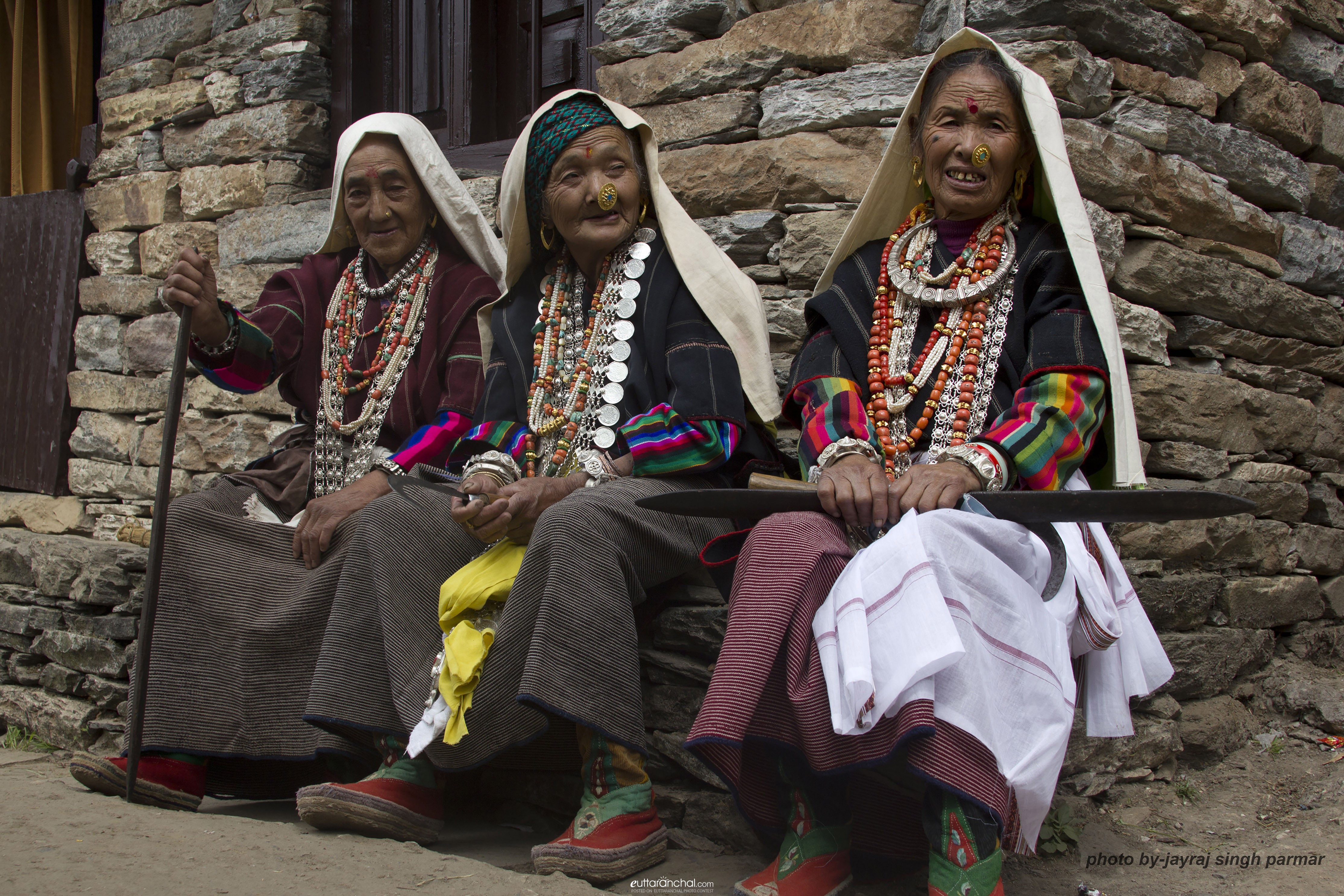
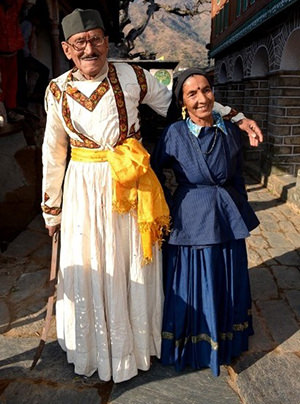
Traditional Attire and Adornments: Bhotia attire reflects their high-altitude habitat, consisting of thick woolen garments like the Bakhu for men and women. Adornments may include silver jewelry and accessories, reflecting their cultural identity.
Cuisine and Diet: The Bhotia diet is influenced by the resources available in the Himalayan region. It includes staples like barley, wheat, and dairy products. Due to the harsh climate, preservation techniques like drying and fermentation are common.
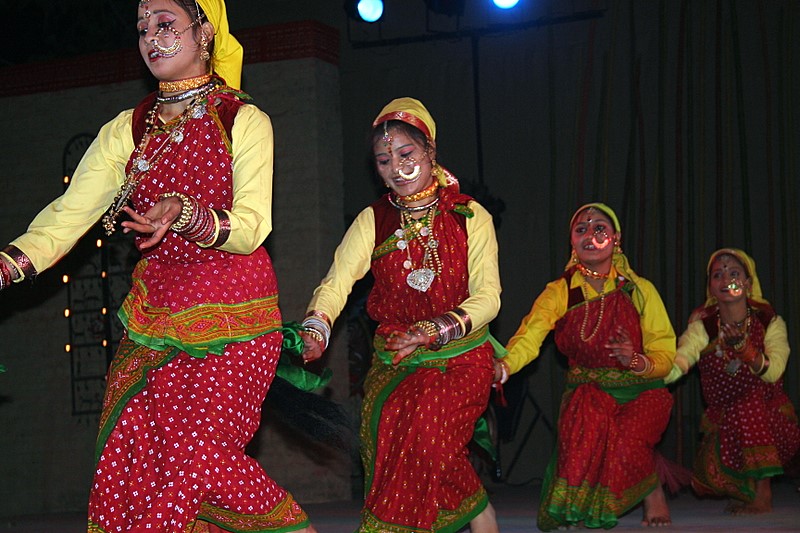
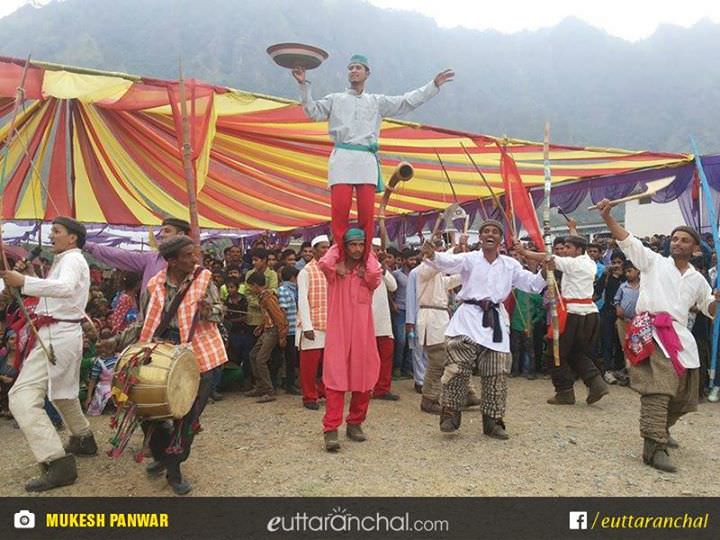
Music, Dance, and Festivals: Bhotia culture includes traditional folk songs and dances, often performed during religious festivals and community celebrations. Losar, the Tibetan New Year, is an important festival celebrated with cultural fervor.
Societal Importance: The Bhotia tribe holds societal importance in the Himalayan regions, contributing to the cultural diversity and heritage of the areas they inhabit. They have historical and cultural significance, particularly in regions along the India-Tibet border. Efforts have been made to preserve their cultural identity and promote sustainable development.