Loading...

Uttar Pradesh, India's most populous state, is home to several prominent tribes, each with its distinct culture, traditions, and way of life. Some of the notable tribes in Uttar Pradesh include:

Know more
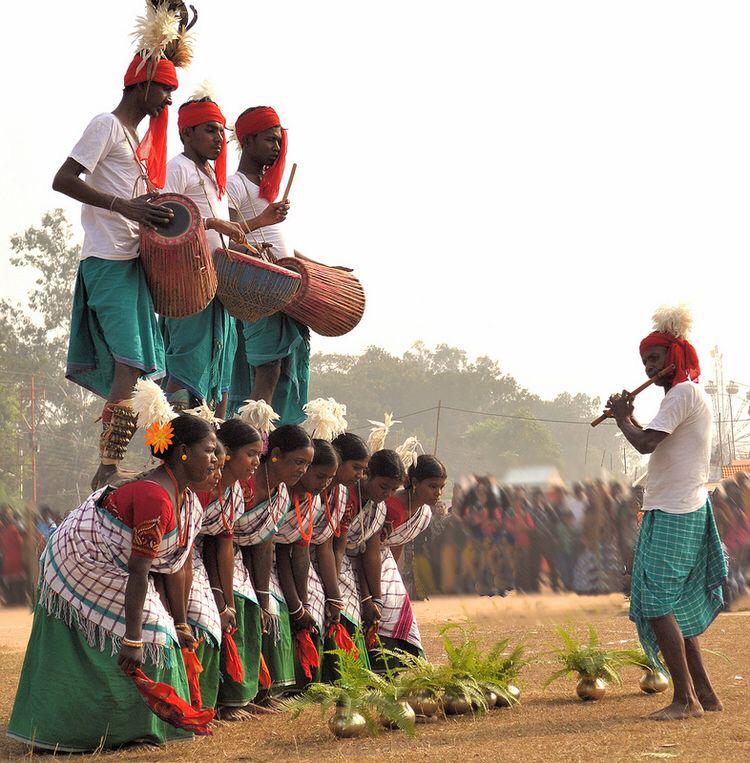
Tharu: The Tharu tribe is one of the largest tribal communities in Uttar Pradesh, particularly in the Terai region bordering Nepal. They have a rich cultural heritage, known for their traditional farming practices, music, and dance forms.
Buxa: The Buxa tribe is predominantly found in the Mirzapur and Sonbhadra districts of Uttar Pradesh. They have a unique cult wural identity and often engage in traditional occupations like agriculture and handicrafts.
Kharwar: The Kharwar tribe resides in various parts of Uttar Pradesh, primarily in the eastern and central regions. They have their language and maintain their customs and traditions, often practicing agriculture and gathering forest resources.
Kol: The Kol tribe is spread across several states, including Uttar Pradesh. They have a distinct cultural identity and are known for their traditional rituals, folk songs, and art forms.
Kanjar: The Kanjar tribe is found in different parts of Uttar Pradesh and is traditionally associated with occupations like hunting, gathering, and basket weaving. They have a unique cultural heritage, including their music and dance.
Gond: The Gond tribe, although more prominently found in central India, also has a presence in parts of Uttar Pradesh. They have a rich cultural tapestry, known for their tribal art and oral traditions.
Santhal: The Santhal tribe has a presence in Uttar Pradesh, particularly in the Chandauli and Sonbhadra districts. They are known for their distinctive dance forms, music, and traditional practices.
Uttar Pradesh Tribe

These tribes contribute to the cultural diversity of Tripura, and each has its own set of traditions, festivals, and customs. The preservation of their cultural heritage is essential for maintaining the unique identity of Tripura's indigenous communities.
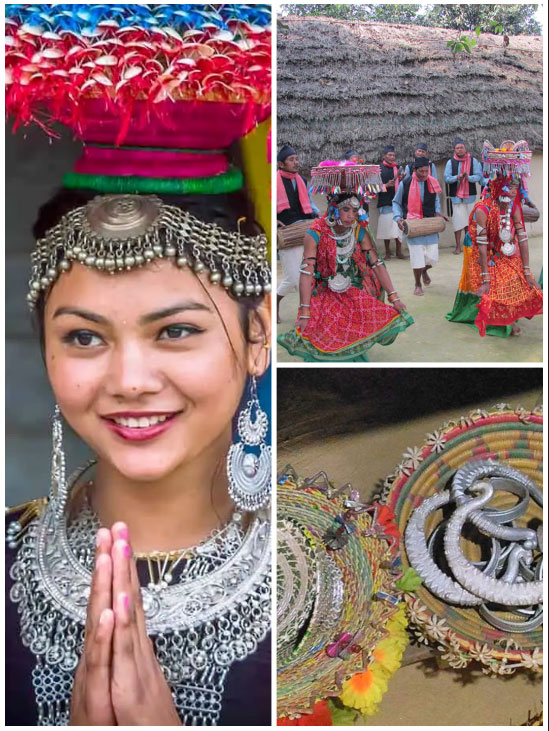
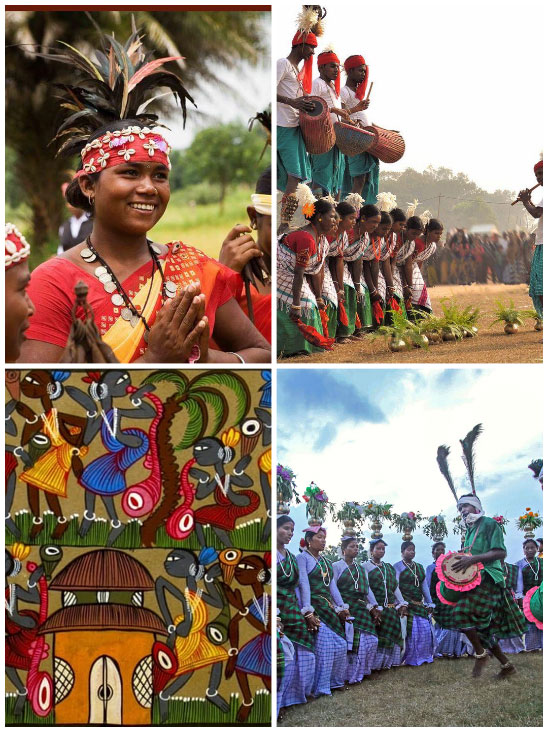
Tharu Tribe

Origin and Existence: The Tharu tribe is indigenous to the Terai region, spanning India and Nepal. They have a long history in the region, with their existence dating back for centuries.
Traditional Culture: Tharu culture is deeply rooted in their tribal heritage. They have their customs, rituals, and oral traditions, often revolving around agriculture and their close connection to the land.
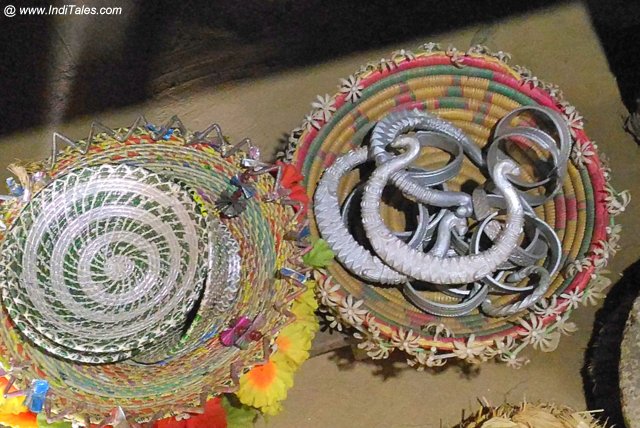
Art and Craft: The Tharu people have a tradition of crafting baskets and other items from natural materials like bamboo and cane. These crafts often serve utilitarian purposes.
Lifestyle and Occupation: Historically, the Tharu tribe has been engaged in traditional farming practices, cultivating rice, wheat, and other crops. They are also known for their expertise in forest-based activities, such as gathering herbs and firewood.
Attire and Adornments: Tharu attire is typically simple and functional, reflecting their agricultural lifestyle. Adornments may include handmade jewelry and accessories, often made from natural materials.
Cuisine and Diet: The Tharu diet is influenced by the crops they cultivate, with staples like rice, wheat, and vegetables. They also incorporate forest produce and fish into their diet due to their geographical location.
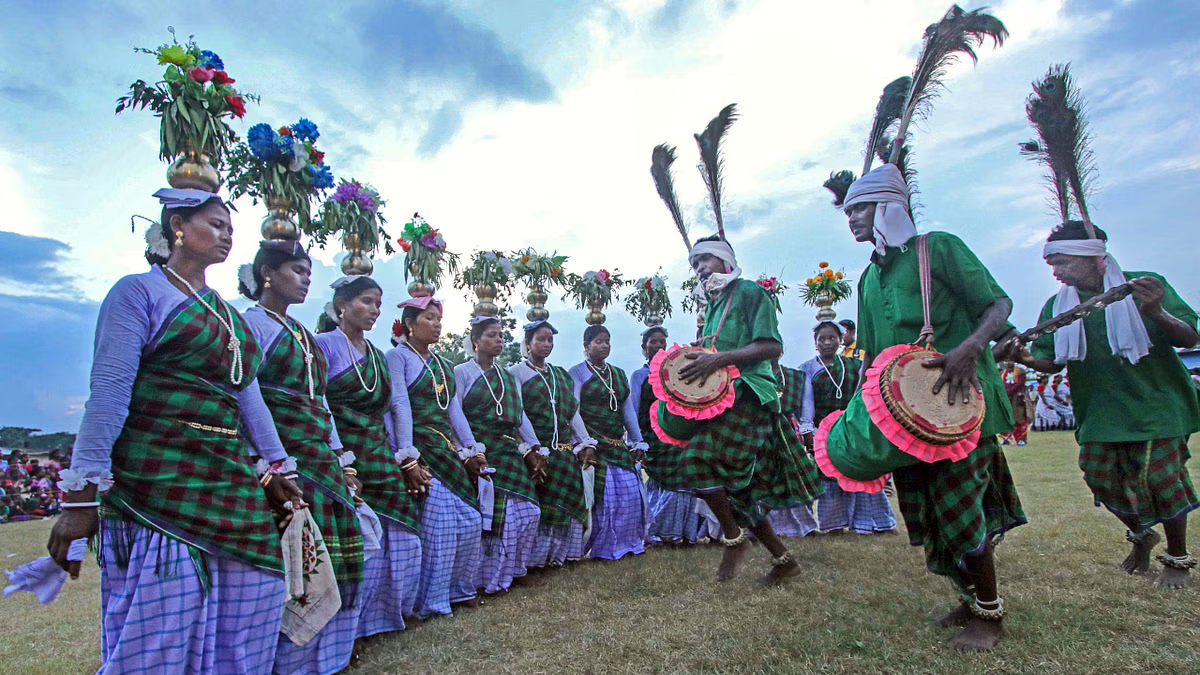
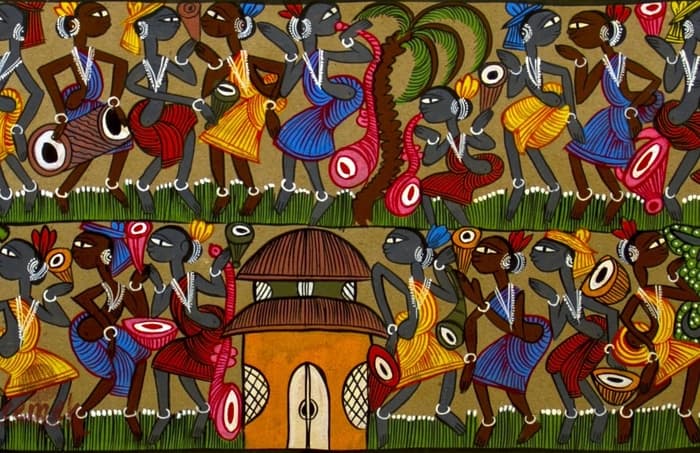
Music, Dance, and Festivals: Music and dance are integral to Tharu culture. They have traditional folk songs and dance forms, often performed during agricultural festivals and celebrations. The Maghi Festival, celebrating the harvest, is an important cultural event for the Tharu people.
Societal Importance: The Tharu tribe holds societal importance as one of the prominent indigenous communities in the Terai region. They contribute to the cultural diversity and heritage of the areas they inhabit, and their traditional knowledge of agriculture and forest resources is valuable for sustainable practices. Efforts have been made to support their cultural preservation and improve their socioeconomic conditions.
Tharu Tribe, Uttar Pradesh

Buxa Tribe

Origin and Existence: The Buxa tribe primarily resides in the Mirzapur and Sonbhadra districts of Uttar Pradesh, India. They have a longstanding presence in the region, with roots dating back generations.
Traditional Culture: Buxa culture is deeply rooted in their tribal heritage. They have their customs, rituals, and oral traditions, often emphasizing their connection to nature and the land.
Art and Craft: The Buxa people engage in traditional crafts, such as basket weaving and pottery. They create functional items and decorative pieces from locally available materials.
Lifestyle and Occupation: Historically, the Buxa tribe has been engaged in traditional occupations like agriculture, forest-based activities, and handicrafts. They often lead a rural lifestyle, relying on subsistence farming and gathering resources from the forest.
Traditional Attire and Adornments: Buxa attire is typically practical for their rural lifestyle, consisting of simple garments. Adornments may include handmade jewelry and accessories, often reflecting their cultural identity.
Cuisine and Diet: The Buxa diet is influenced by the local resources available to them. They often consume staples like rice, millets, and vegetables. Forest produce and wild edibles are also incorporated into their diet.
Music, Dance, and Festivals: Music and dance are integral to Buxa culture. They have traditional folk songs and dance forms, often performed during agricultural festivals and community celebrations. Their festivals often revolve around the agricultural calendar and nature worship.
Societal Importance: The Buxa tribe holds societal importance as one of the indigenous communities in the region. They contribute to the cultural diversity and heritage of the areas they inhabit and possess traditional knowledge related to sustainable agriculture and forest resources. Efforts have been made to support their cultural preservation and enhance their socioeconomic conditions.
Buxa Tribe, Uttar Pradesh