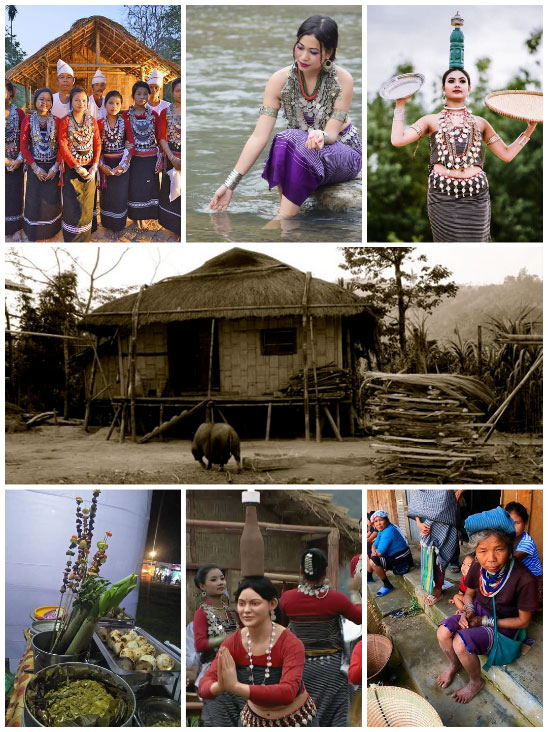
Loading...

Tripura, a state in northeastern India, is home to several indigenous tribes, each with its own distinct culture, traditions, and languages. Some of the prominent tribes in Tripura include:

Know more
Tripuri:
  • The Tripuri tribe is the largest and most prominent ethnic group in Tripura.
  • They have their own language, Kokborok, and follow distinct cultural practices.
  • Known for traditional dances, festivals, and bamboo and cane handicrafts.
Reang (Bru):
  • The Reang, also known as Bru, are a significant tribal community in Tripura.
  • They have their own language and are known for their distinct traditions, dances, and folk music.
  • Many Reang people also reside in refugee camps in Tripura.
Jamatia:
  • The Jamatia tribe is one of the indigenous communities in Tripura.
  • They have their own language and are known for their traditional agricultural practices.
  • Traditional festivals and dances are integral to Jamatia culture.
Chakma:
  • The Chakma tribe is one of the largest ethnic groups in Tripura.
  • They have their own language and distinctive cultural practices.
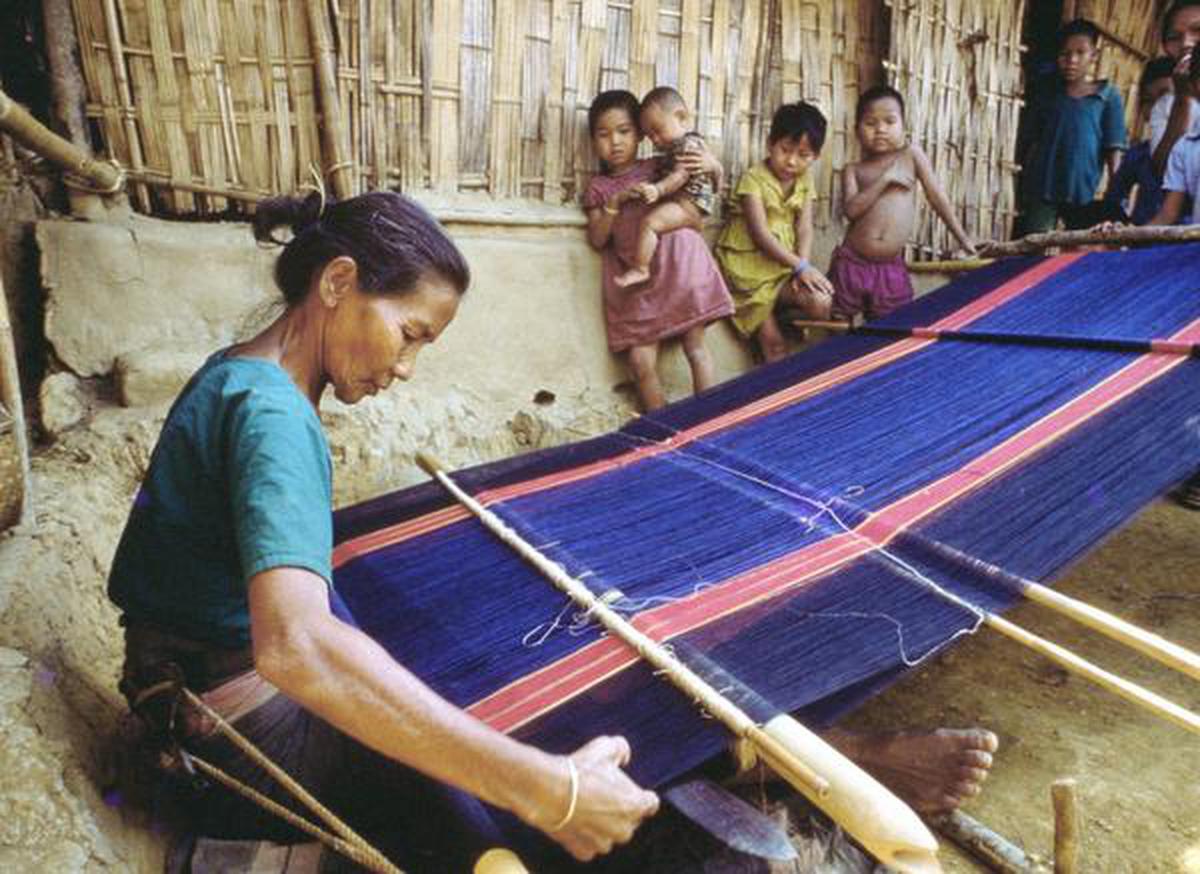
  • Known for traditional craftsmanship, including weaving and bamboo craft.
Halam (Malsum):
  • The Halam, also known as Malsum, are an indigenous tribe in Tripura.
  • They have their own language and are engaged in traditional agricultural practices.
  • Known for traditional dances and rituals.
Mog:
  • The Mog community is one of the indigenous tribes in Tripura.
  • They have their own language and follow traditional customs and rituals.
  • Engaged in traditional agriculture and handloom weaving.
Noatia:
  • The Noatia tribe is a smaller ethnic group in Tripura.
  • They have their own language and are known for their traditional agricultural practices.
  • Engaged in weaving and other traditional crafts.
Tripura Tribe

These tribes contribute to the cultural diversity of Tripura, and each has its own set of traditions, festivals, and customs. The preservation of their cultural heritage is essential for maintaining the unique identity of Tripura's indigenous communities.

Tripuri Tribe

Origin and Existence: The Tripuri tribe is the largest and most prominent ethnic group in Tripura, a state in northeastern India. They have a longstanding history in the region and are recognized for their rich cultural heritage.
Traditional Culture: Tripuri culture is deeply rooted in traditions, customs, and a strong sense of community. The tribe follows animistic beliefs, with reverence for nature, spirits, and ancestors. Social harmony and community bonding are integral aspects of Tripuri cultural values.
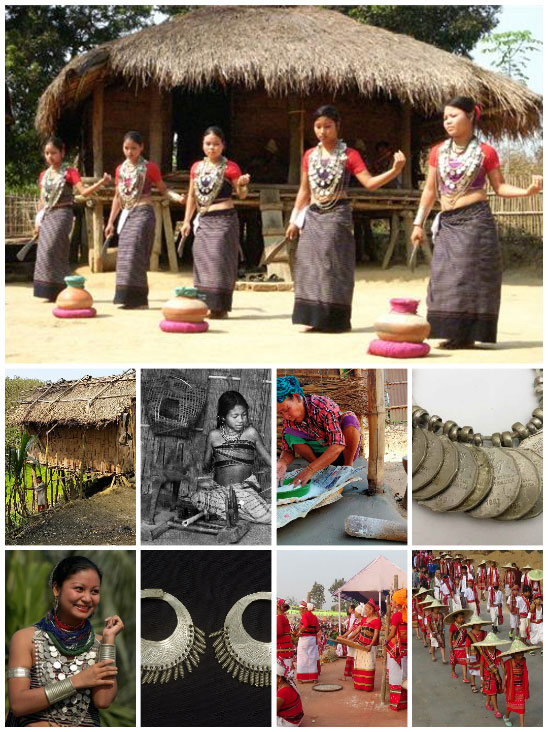
Art and Craft: Skilled in traditional crafts such as bamboo and cane work, handloom weaving, and pottery. Tripuri artisans create intricate designs on traditional garments, textiles, and artifacts. Traditional Tripuri houses may feature unique architectural designs and artistic elements.
Lifestyle and Occupation: Historically engaged in agriculture, practicing terrace cultivation and shifting cultivation. Tripuri people are known for their agricultural practices, cultivating crops like rice, jute, and fruits. In contemporary times, some engage in various occupations, including government services, education, and trade.
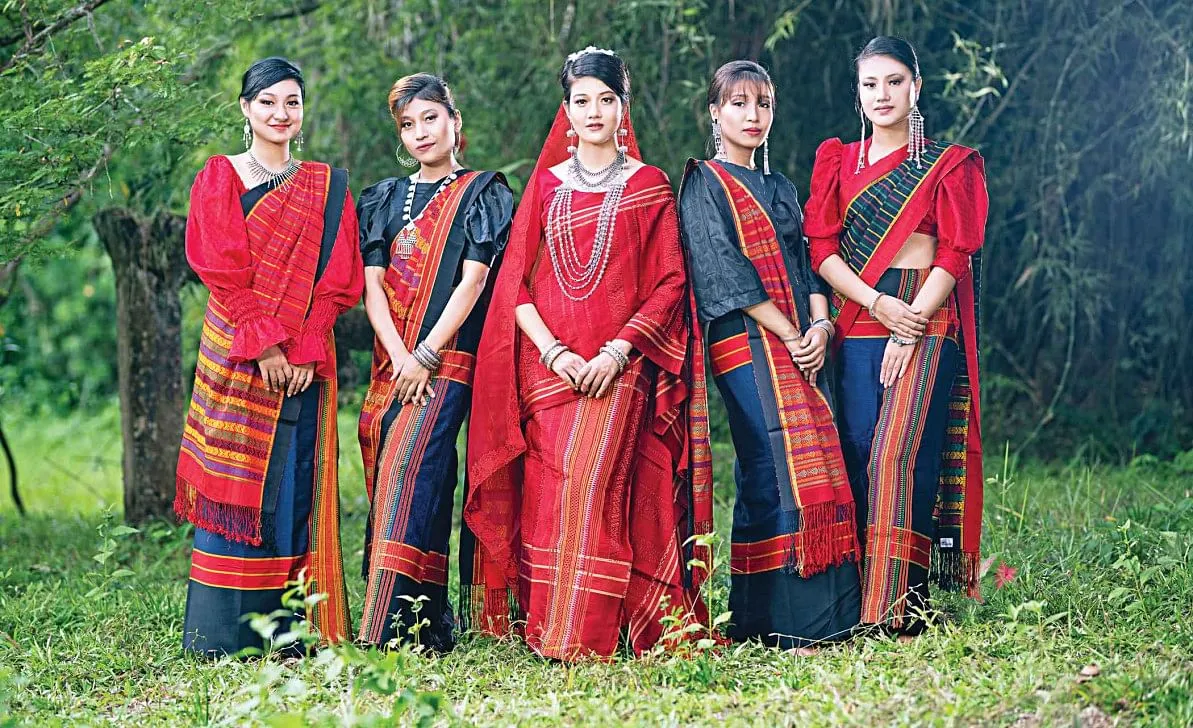
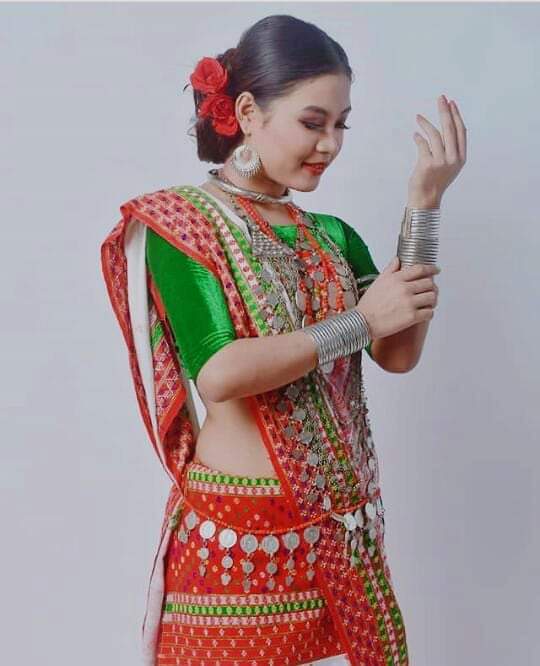
Attire and Adornments: Traditional Tripuri attire includes garments made from handwoven fabrics, often adorned with vibrant colors and patterns. Adornments may include traditional jewelry made from beads, shells, and metals, worn during ceremonies and festivals.
Cuisine and Diet: The Tripuri diet comprises staple crops like rice, bamboo shoot, and various vegetables. Non-vegetarian items, including pork, chicken, and fish, are essential components of their diet. Traditional Tripuri cuisine features a variety of dishes prepared with local ingredients and indigenous spices.
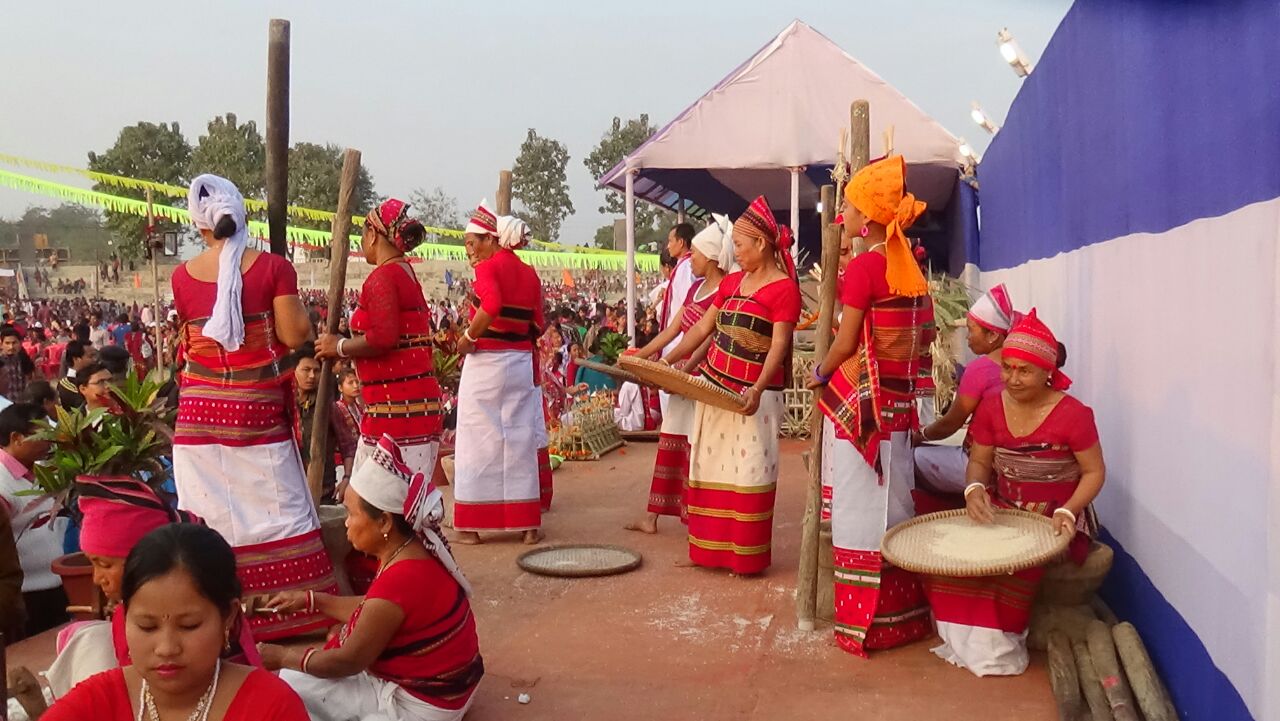
Music, Dance, and Festivals: Traditional Tripuri music involves the use of instruments like drums, cymbals, and bamboo flutes. Tripuri dance forms are vibrant and often performed during festivals, weddings, and cultural events. The Kharchi Puja and Garia festivals are significant occasions marked by traditional dances, rituals, and community celebrations.
Societal Importance: The Tripuri tribe holds immense societal importance as the largest ethnic group in Tripura. They play a crucial role in the cultural, social, economic, and political spheres of Tripura. Tripuri leaders and community members actively participate in regional and state-level affairs, contributing to the overall development of the state.
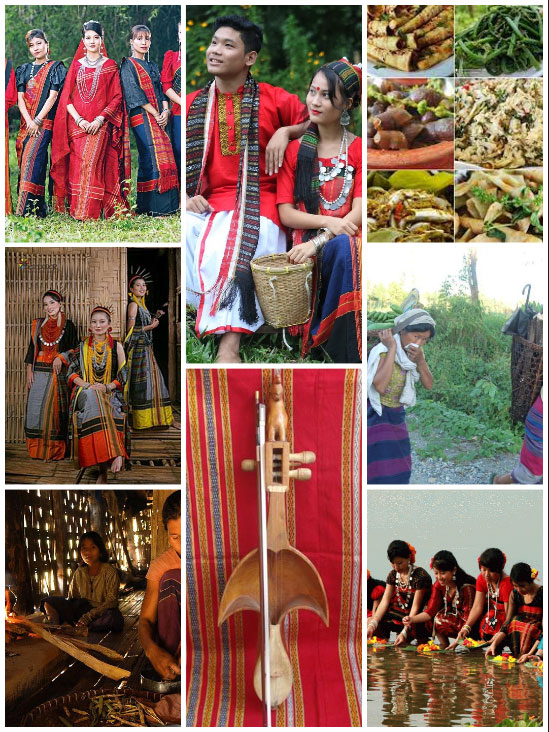
Tripuri Tribe, Tripura

Reang (Bru) Tribe

Origin and Existence: The Reang, also known as Bru, are an indigenous tribe with a presence in northeastern India, particularly in the states of Tripura, Mizoram, and parts of Assam. They have a longstanding history in the region, contributing to the cultural diversity of the northeastern states.
Traditional Culture: Reang culture is characterized by a rich tapestry of traditions, customs, and oral folklore. The tribe follows traditional animistic beliefs, with a deep connection to nature, spirits, and ancestral traditions. Social cohesion and community bonds are integral aspects of Reang cultural values.
Art and Craft: Skilled in traditional crafts such as bamboo and cane work, handloom weaving, and pottery. Reang artisans create intricate designs on traditional garments, textiles, and handicrafts. Traditional Reang houses may feature unique architectural designs and artistic elements.
Lifestyle and Occupation: Historically engaged in agriculture, practicing terrace cultivation and shifting cultivation. The Reang people are known for their agricultural practices, cultivating crops like rice, millet, and vegetables. In contemporary times, some engage in traditional occupations, while others pursue modern professions.
Traditional Attire and Adornments: Traditional Reang attire includes garments made from handwoven fabrics, often adorned with vibrant colors and patterns. Adornments may include traditional jewelry made from beads, shells, and metals, worn during ceremonies and festivals.
Cuisine and Diet: The Reang diet comprises staple crops like rice, millet, and various vegetables. Non-vegetarian items, including pork, chicken, and locally available game, are essential components of their diet. Traditional Reang cuisine features a variety of dishes prepared with local ingredients and indigenous spices.
Music, Dance, and Festivals: Traditional Reang music involves the use of instruments like drums, flutes, and traditional string instruments. Reang dance forms are vibrant and often performed during festivals, weddings, and cultural events. The Hojagiri dance is a significant cultural dance form associated with Reang festivals.
Societal Importance: The Reang tribe holds societal importance as an integral part of the cultural mosaic in the northeastern states. They contribute to the cultural diversity of the region and actively participate in community development. Reang leaders and community members play roles in local governance, contributing to the overall welfare of the community. The preservation of Reang cultural heritage is crucial for maintaining the unique identity of the tribe and fostering a sense of continuity and pride among its members.
Reang Tribe, Tripura

Chakma Tribe

Origin and Existence: The Chakma tribe is an indigenous community primarily found in the Chittagong Hill Tracts of Bangladesh, parts of northeastern India (especially Tripura and Mizoram), and Myanmar. They have a rich historical presence in the region and are recognized for their unique cultural identity.
Traditional Culture: Chakma culture is deeply rooted in traditions, customs, and a strong connection to Buddhism. The tribe follows Theravada Buddhism, which influences their way of life, rituals, and social practices. Social harmony and respect for elders are integral aspects of Chakma cultural values.
Art and Craft: Skilled in traditional crafts such as bamboo and cane work, wood carving, and handloom weaving. Chakma artisans create intricate designs on traditional garments, textiles, and handicrafts. Traditional Chakma houses may feature unique architectural designs and decorations.
Lifestyle and Occupation: Historically engaged in agriculture, with a focus on terraced cultivation in hilly regions. The Chakma people are known for their agricultural practices, cultivating crops like rice, vegetables, and fruits. In contemporary times, some engage in traditional occupations, while others pursue modern professions.
Traditional Attire and Adornments: Traditional Chakma attire includes garments made from handwoven fabrics, often reflecting vibrant colors and intricate patterns. Adornments may include traditional jewelry made from beads, silver, and other metals, worn during ceremonies and festivals.
Cuisine and Diet: The Chakma diet comprises staple crops like rice, bamboo shoot, and various vegetables. Non-vegetarian items, including fish, pork, and poultry, are common in their diet. Traditional Chakma cuisine features a variety of dishes prepared with local ingredients and spices.
Music, Dance, and Festivals: Traditional Chakma music involves the use of instruments like drums, flutes, and traditional string instruments. Chakma dance forms are vibrant and often performed during festivals, weddings, and cultural events. The Biju festival is a significant Chakma celebration marked by traditional dances, rituals, and community gatherings.
Societal Importance: The Chakma tribe holds societal importance as a distinctive ethnic group in the regions they inhabit. They contribute to the cultural diversity of the area and play roles in community development. Chakma leaders and community members actively participate in regional and local affairs, contributing to the overall welfare of the community.
Chakma Tribe, Tripura