Loading...

Tamil Nadu, a state in southern India, is home to several indigenous and traditional communities. While Tamil Nadu is not known for having distinct tribes in the same way some other regions do, it has various communities and groups with unique cultural practices. Here are some of the prominent communities in Tamil Nadu:

Know more
Irulas:
  • The Irulas are one of the indigenous communities in Tamil Nadu, known for their traditional occupation as snake catchers.
  • They have their own language and are traditionally involved in hunting, gathering, and agriculture.
Kuravars:
  • The Kuravars are a community known for their nomadic lifestyle and are engaged in occupations such as fortune-telling, street performances, and traditional medicine.
Paniyans:
  • The Paniyans are an Adivasi community in Tamil Nadu, traditionally associated with forest-related activities, agriculture, and labor.
Todas:
  • While the Todas are primarily associated with the Nilgiri Hills in neighboring Karnataka, a small population resides in Tamil Nadu. They are known for their distinctive culture and language.
Badagas:
  • The Badagas are an indigenous community in the Nilgiri Hills known for their unique language, Badaga, and their traditional agrarian lifestyle.
Kotas:
  • The Kotas are another indigenous community in the Nilgiri Hills, known for their distinct language and cultural practices.
Gounders:
  • The Gounders are an agricultural community in Tamil Nadu, known for their significant contributions to agriculture and trade.
Nadar:
  • The Nadar community is known for its diverse occupations, including trade, business, and agriculture. They have played a prominent role in the economic development of the region.
Chettiar:
  • The Chettiars, also known as Nattukottai Chettiars, are a business community that has historically been involved in trade and finance.
Tamil Nadu Tribe

While these communities may not fit the conventional definition of tribes, they represent the diverse cultural fabric of Tamil Nadu. Each community has its own unique traditions, customs, and contributions to the cultural and economic landscape of the state.

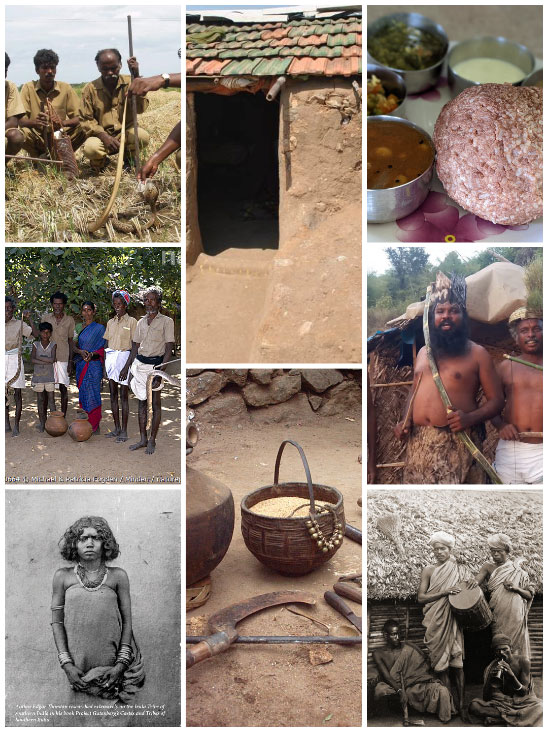
Irulas

Origin and Existence: The Irulas are one of the indigenous communities in Tamil Nadu, primarily found in the southern part of the state. They have a long history in the region, with their presence also noted in other parts of South India.
Traditional Culture: The Irulas have a distinct cultural identity shaped by their historical lifestyle, traditions, and beliefs. Their culture is closely tied to nature, reflecting their traditional occupations and close connection to the environment.
Art and Craft: Traditional art and craft among the Irulas often include practical skills related to their daily lives. Basket weaving, traditional tool-making, and other utilitarian crafts are part of their heritage.
Lifestyle and Occupation: Historically, the Irulas were known for their expertise in snake catching, a skill passed down through generations. They have also been involved in activities such as hunting, gathering, and agriculture. In contemporary times, some Irulas may engage in various occupations, adapting to changing economic landscapes.
Attire and Adornments: Traditional Irula attire is simple and functional, adapted to their lifestyle and climate. Adornments may include jewelry made from natural materials, reflecting simplicity and functionality.
Cuisine and Diet: The Irula diet traditionally consists of locally available food items. Depending on their location, it may include items such as millets, tubers, wild greens, and non-vegetarian items like fish.
Music, Dance, and Festivals: Irula cultural expressions, including music and dance, are often tied to their rituals and community celebrations. Specific festivals and dances may be associated with agricultural cycles or other significant events.
Societal Importance: The Irulas have societal importance as a community with a unique cultural heritage. Historically, their skills in snake catching were valued, and they played roles in their local ecosystems. Efforts have been made to recognize and preserve their cultural identity and traditional knowledge.
Current Situation: The Irula community has faced challenges such as economic changes, shifts in traditional occupations, and environmental transformations. NGOs and governmental initiatives work toward preserving their cultural heritage, providing education, and addressing socio-economic concerns.
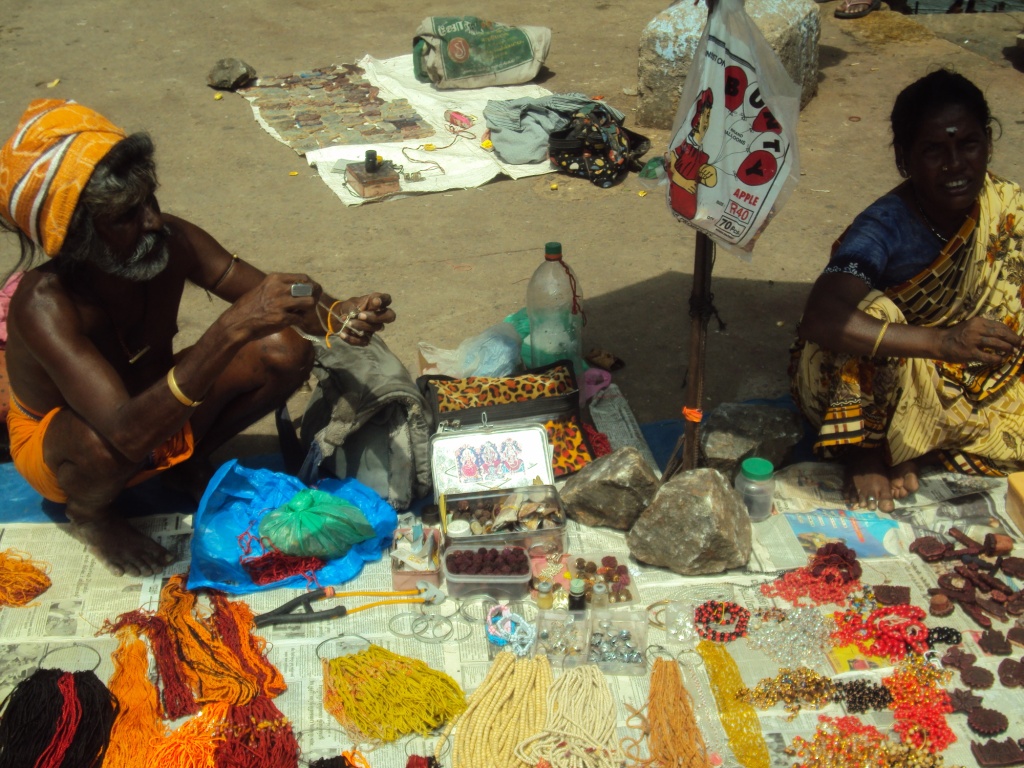
Irulas, Tamil Nadu

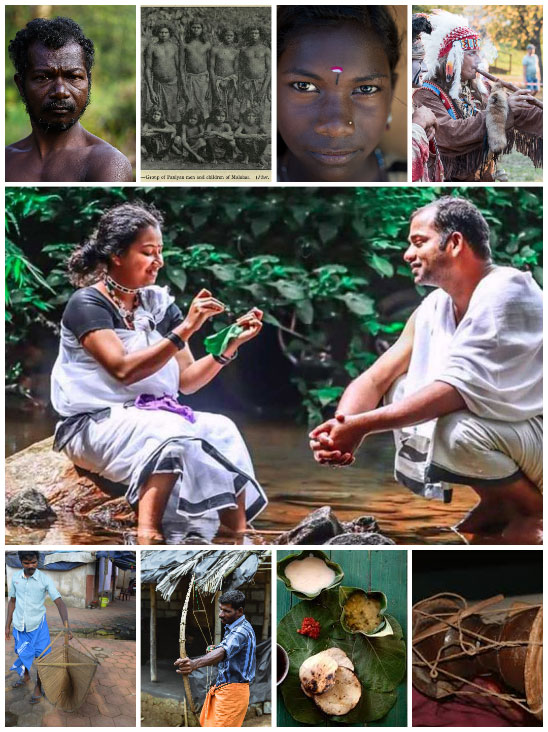
Paniyans

Origin and Existence: The Paniyans are an Adivasi community primarily found in the southern states of India, including Kerala and Tamil Nadu. They have a historical presence in the Western Ghats region.
Traditional Culture: The Paniyans have a distinct cultural identity shaped by their traditional practices, customs, and folklore. Their culture is often intertwined with the natural environment, reflecting their close connection to the forests.
Art and Craft: Traditional art and craft among the Paniyans may include practical skills related to their daily needs. Basket weaving, pottery, and other crafts may be part of their cultural heritage.
Lifestyle and Occupation: Historically, the Paniyans were primarily hunter-gatherers and engaged in activities such as foraging and shifting cultivation. Their lifestyle is adapted to the forested regions they traditionally inhabit. In contemporary times, some Paniyans may engage in various occupations, adapting to changing economic conditions.
Traditional Attire and Adornments: Traditional Paniyan attire is simple and functional, suited to their forest environment. Adornments may include jewelry made from natural materials, reflecting their connection to nature.
Cuisine and Diet: The Paniyan diet traditionally consists of locally available food items, including forest produce. Tubers, wild greens, and non-vegetarian items like fish and game may be part of their traditional diet.
Music, Dance, and Festivals: Paniyan cultural expressions, including music and dance, are often tied to their rituals and community celebrations. Specific festivals and dances may be associated with agricultural cycles or other significant events.
Societal Importance: The Paniyans have societal importance as an indigenous community with a unique cultural heritage. They have traditionally played roles in the ecosystems of the Western Ghats. Efforts have been made to recognize and preserve their cultural identity and traditional knowledge.
Current Situation: Like many indigenous communities, the Paniyans face challenges such as changes in traditional occupations, encroachment on their lands, and socio-economic disparities. Initiatives by NGOs and governmental agencies aim to address these challenges while respecting and preserving their cultural heritage.
Paniyans Tribe, Tamil Nadu

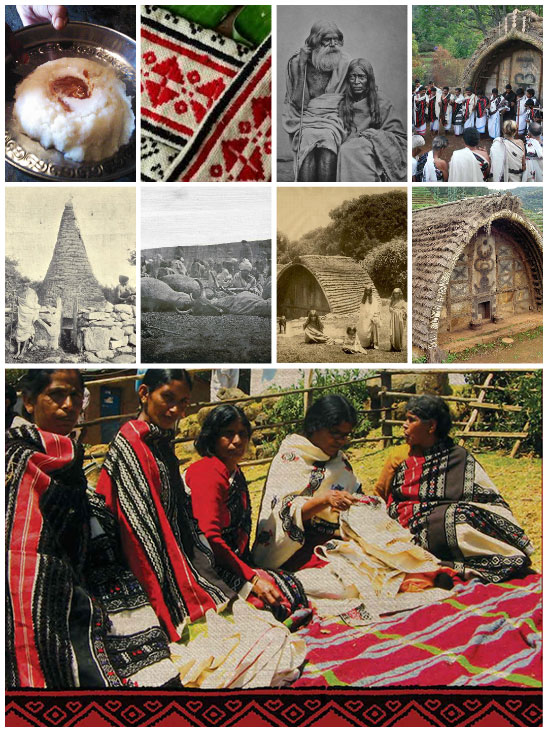
Todas

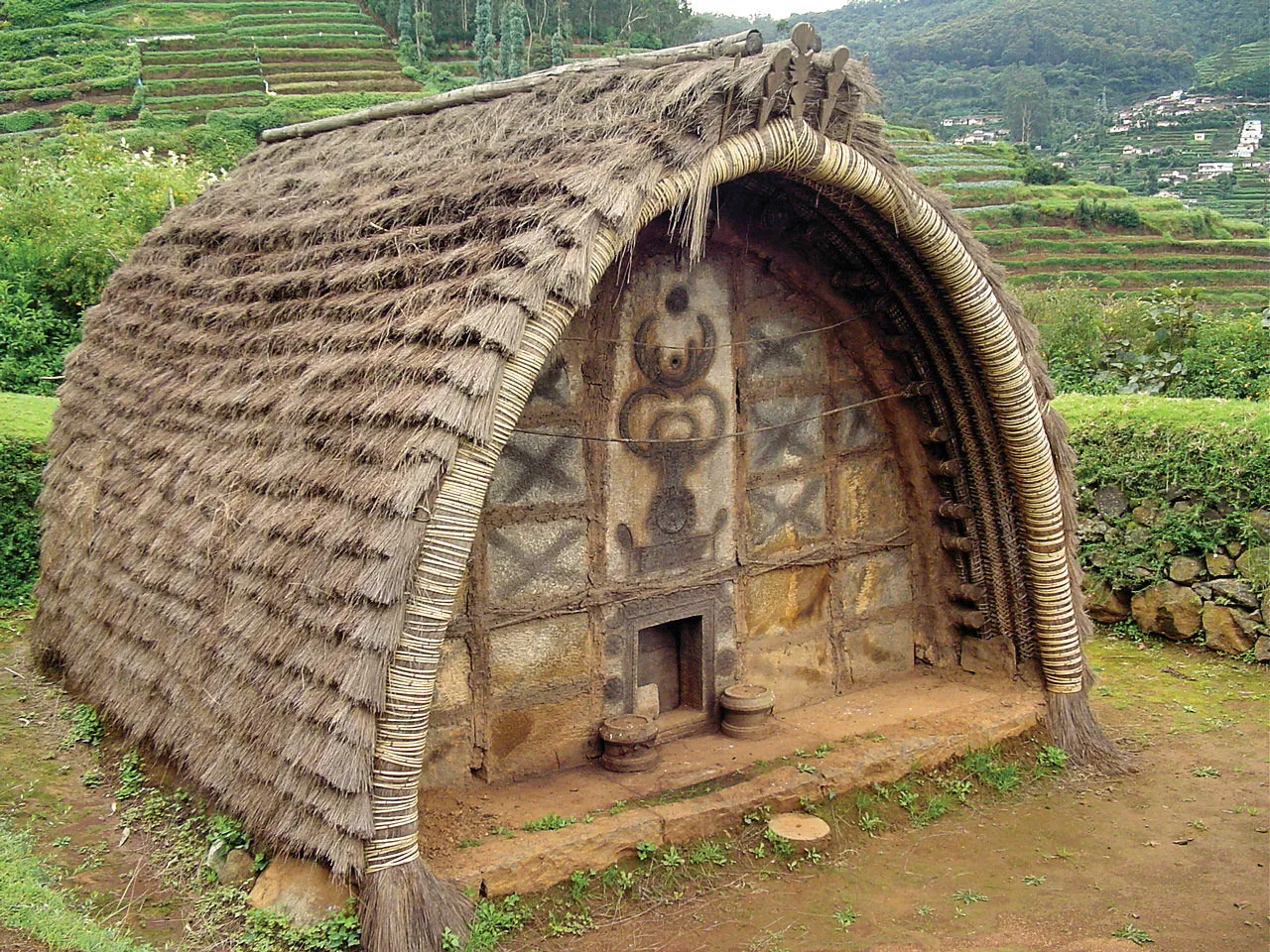
Origin and Existence: The Todas are an indigenous pastoral community primarily residing in the Nilgiri Hills of Tamil Nadu, India. They have a unique linguistic and cultural identity and are known for their distinctive customs and traditions.
Traditional Culture: Toda culture is characterized by its pastoral traditions, language, and sacred practices. They have a distinct social structure and religious beliefs that revolve around their sacred landscape.
Art and Craft: Todas are known for their traditional embroidery called "pukhoor," which features distinctive geometric patterns. Their artifacts often include items associated with their pastoral lifestyle, such as buffalo horns and crooks.
Lifestyle and Occupation: Historically, Todas were predominantly pastoralists, depending on buffalo herding for their livelihood. They have a semi-nomadic lifestyle, moving their herds to different grazing grounds based on seasons.In contemporary times, some Todas may also engage in agriculture and other occupations.
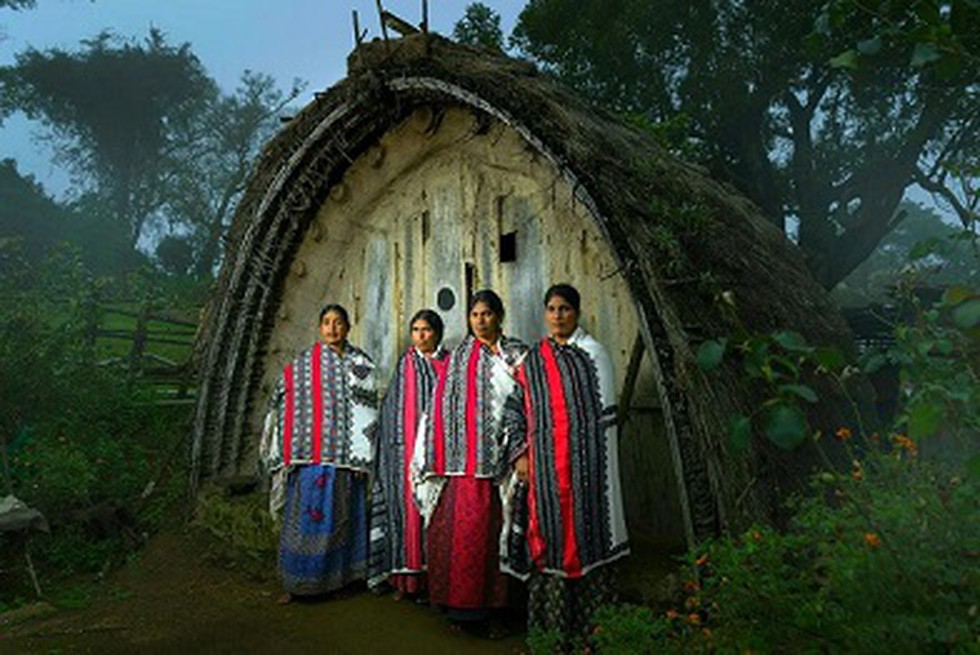
Traditional Attire and Adornments: Toda traditional attire includes distinctive clothing for both men and women, featuring embroidered shawls, turbans, and other accessories. Adornments may include jewelry made from beads and metals, reflecting their cultural aesthetics.
Cuisine and Diet: The Toda diet traditionally includes dairy products from their buffalo herds, such as milk and curd. They may also consume locally available food items, including grains and vegetables.
Music, Dance, and Festivals: Toda music and dance are integral to their religious rituals and festivals. The community has unique dance forms that are performed during ceremonies, including those associated with weddings and religious events.
Societal Importance: The Todas are important not only for their distinct cultural heritage but also for their role in the ecological balance of the Nilgiri Hills. They have historically held a unique position in the social fabric of the region.
Current Situation: The Toda community faces challenges related to modernization, changes in land use, and environmental issues. Efforts are being made by governmental and non-governmental organizations to support and preserve Toda culture, ensuring the sustainable development of their community. Preserving Toda cultural heritage is vital for maintaining the diversity of indigenous traditions in the Nilgiri Hills and fostering a sense of pride and continuity among the Toda people.
Paite Tribes, Tamil Nadu