Loading...

Sikkim, a northeastern state in India, is home to several indigenous tribal communities. Here are some prominent tribes of Sikkim:

Know more
Lepcha:
  • The Lepcha tribe is one of the indigenous communities of Sikkim, known for their rich cultural heritage.
  • They have their own language, customs, and traditional practices.
Bhutia:
  • The Bhutia community has Tibetan roots and is a significant tribal group in Sikkim.
  • They follow Tibetan Buddhism and have a distinct cultural identity.
Limbu:
  • The Limbu tribe is another prominent ethnic group in Sikkim, with cultural ties to the eastern Himalayas.
  • They have their language and traditional customs.
Sherpa:
  • The Sherpa community, known for their association with mountaineering, has a presence in Sikkim, particularly in areas around North Sikkim.
  • They are originally from the Himalayan regions of Nepal but have settled in Sikkim.
Nepali (Gurung, Magar, Rai, Tamang):
  • While the term "Nepali" is often associated with the people from Nepal, in Sikkim, it includes various ethnic groups like Gurung, Magar, Rai, and Tamang.
  • These communities have diverse cultural practices and contribute to the multicultural fabric of Sikkim.
Newar:
  • The Newar community, although traditionally associated with the Kathmandu Valley in Nepal, has a presence in Sikkim as well.
  • They have their language, Newari, and cultural practices.
Mukhia (Dukpa):
  • The Mukhia or Dukpa community is found in parts of Sikkim.
  • They have their own language and follow Buddhism.
Rajasthan Tribe

These tribal communities contribute to the cultural diversity of Sikkim, each with its unique language, traditions, and way of life. The state takes pride in its multicultural ethos and the harmonious coexistence of various ethnic groups.

Sherpa Community

Origin and Existence:The Sherpa community originated in the Himalayan regions of Nepal, particularly in the Solu-Khumbu district. Over time, Sherpas have also migrated to other areas in the Himalayas, including parts of India, such as Sikkim and Darjeeling.
Traditional Culture: Sherpa culture is deeply influenced by Tibetan Buddhism, and many Sherpas follow the Nyingma school of Buddhism. Traditional beliefs, rituals, and practices are integral to Sherpa identity. Respect for the environment and nature is a central theme in Sherpa culture.
Art and Craft: Sherpas are skilled in various traditional crafts, including Thangka painting (religious scroll paintings), wood carving, and carpet weaving. Artistic expressions often depict Buddhist deities, religious symbols, and scenes from Tibetan folklore.
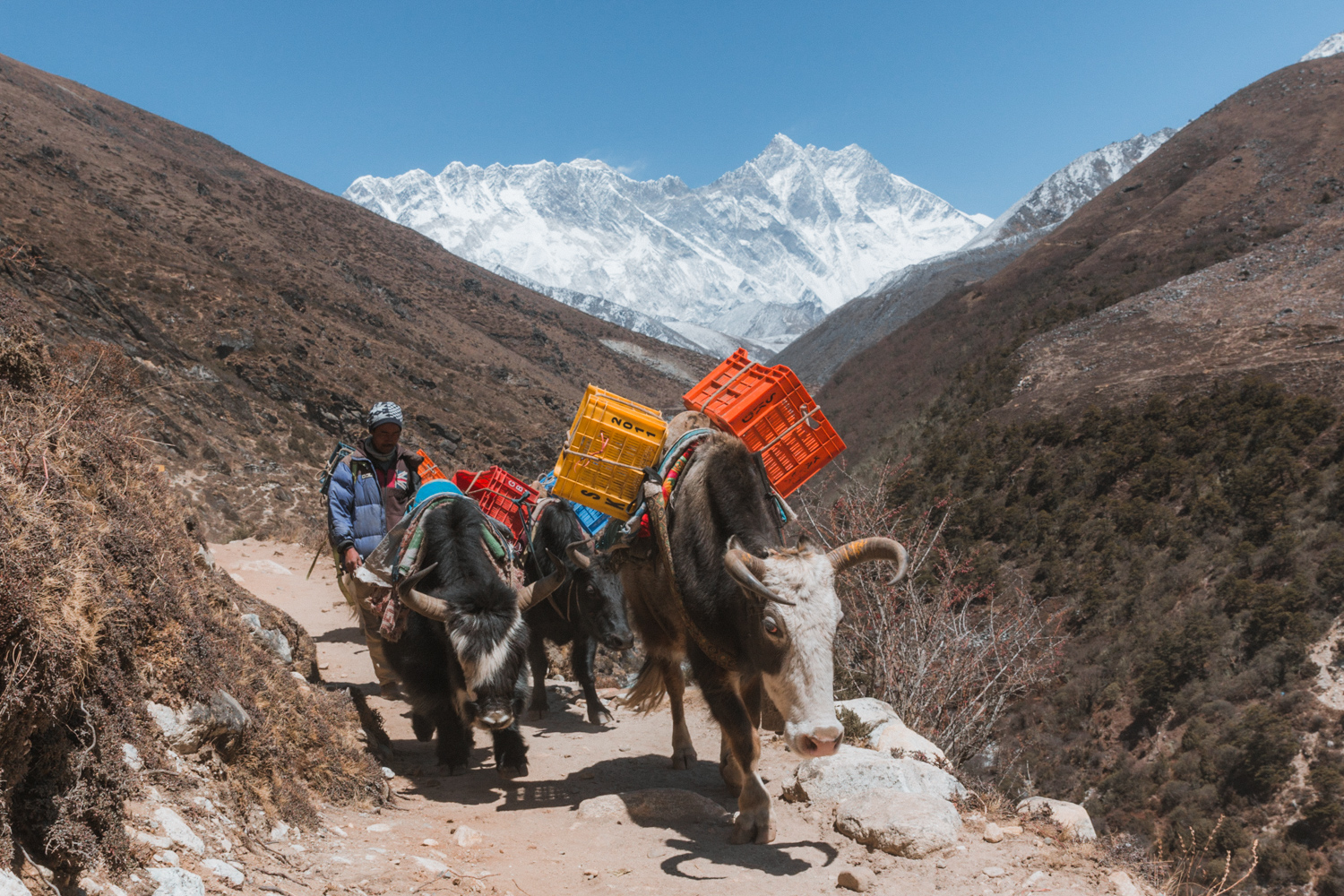
Lifestyle and Occupation: Historically, Sherpas were involved in trade and mountain agriculture in the rugged Himalayan terrain. Today, many Sherpas are renowned for their mountaineering skills and are essential guides and climbers for treks and expeditions in the Himalayas.
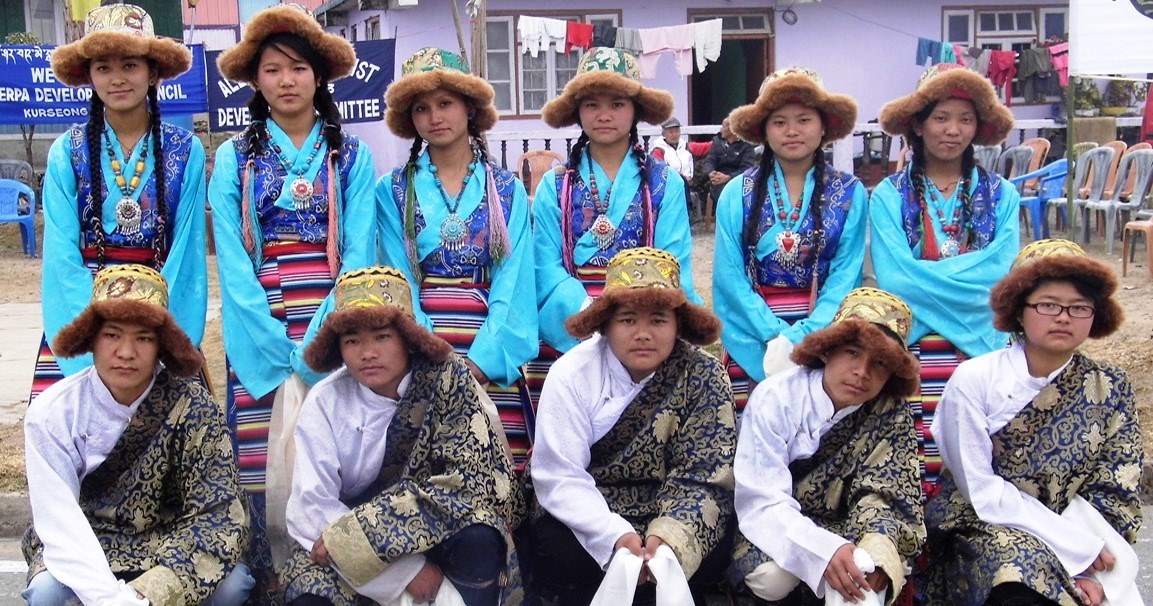
Attire and Adornments: Traditional Sherpa attire includes garments made from wool and other natural materials to withstand the harsh mountain climate. Adornments may include jewelry, often made from silver and turquoise, with cultural and religious significance.
Cuisine and Diet: Sherpa cuisine reflects the availability of resources in the Himalayas. Staple foods include grains, potatoes, barley, and dairy products. Traditional beverages like butter tea (suja) and chang (fermented barley beer) are common.
Music, Dance, and Festivals: Traditional Sherpa music involves instruments like the piwang (fiddle) and damphu (drum). Festivals like Losar (Tibetan New Year) are celebrated with traditional dance, music, and religious ceremonies.
Societal Importance: Sherpas hold significant importance in the context of mountaineering and trekking in the Himalayas. They have a strong cultural identity and play a crucial role in preserving traditional practices in the face of modern influences. Sherpas contribute to the local economy through their involvement in tourism and related activities.
Sherpa Community, Sikkim

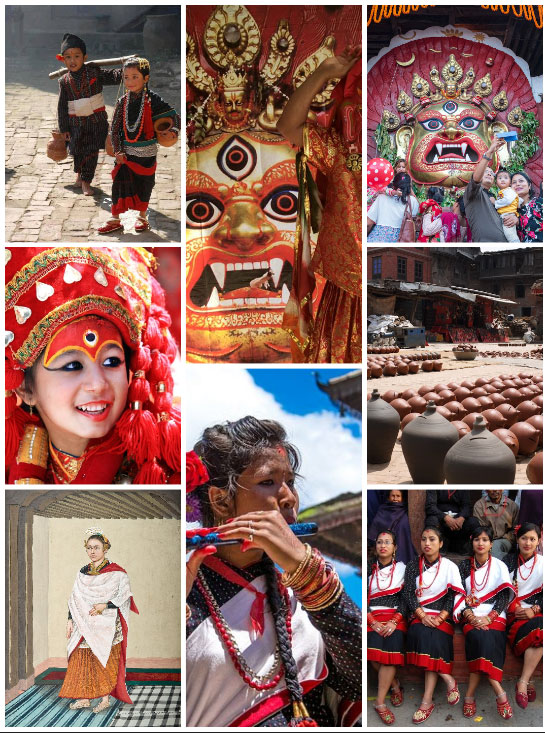
Newar Community

Origin and Existence: The Newar community traces its origin to the Kathmandu Valley in Nepal. They have a long history in the region and have played a crucial role in the cultural and economic development of the area.
Traditional Culture: Newar culture is a fusion of Hindu and Buddhist traditions. They have a rich cultural heritage with distinct festivals, rituals, and social practices.
Art and Craft: Skilled in various traditional arts and crafts, including intricate woodcarving, metalwork, and pottery. Newar architecture, seen in temples and palaces, showcases their artistic prowess.
Lifestyle and Occupation: Historically, Newars were involved in trade, agriculture, and craftsmanship. Many Newars today are engaged in professions such as business, education, and various skilled trades.
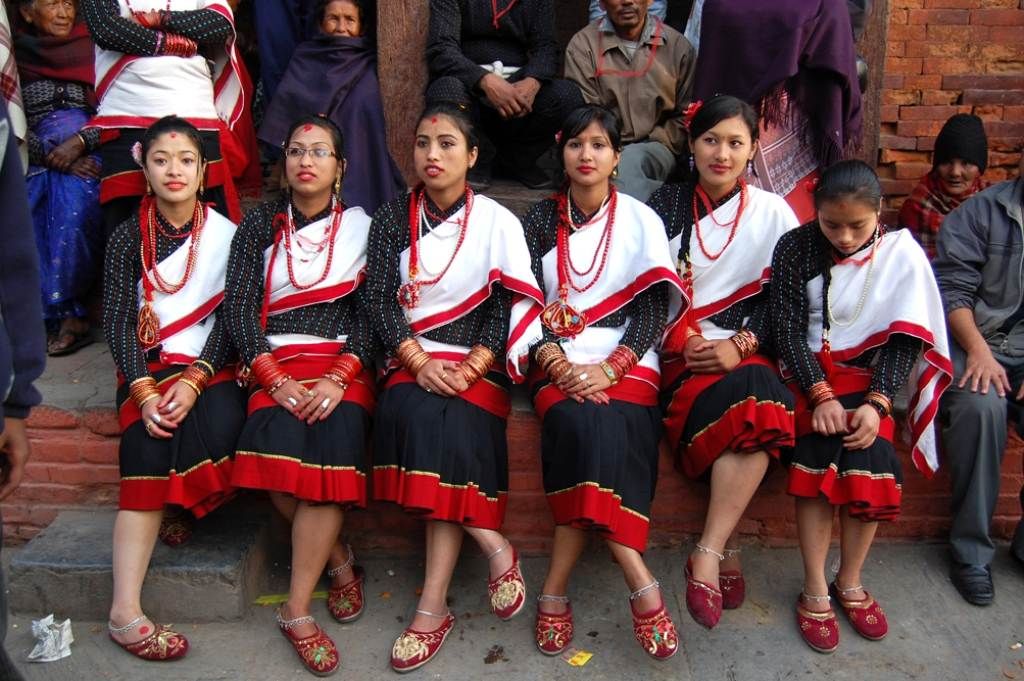
Traditional Attire and Adornments: Traditional Newar attire varies based on occasions and social roles. Adornments may include jewelry, such as earrings and necklaces, often made from gold and silver.
Cuisine and Diet: Newar cuisine is diverse and includes a variety of dishes. Popular Newari dishes include momo (dumplings), yomari (steamed sweet dumplings), and various types of rice-based dishes. Newars have a tradition of feasting during festivals.
Music, Dance, and Festivals: Traditional Newar music involves instruments like the dhime (drum) and bansuri (flute). Dance forms like Lakhey dance and Bhairab dance are part of cultural celebrations. Newars celebrate various festivals, including Indra Jatra and New Year's celebrations like Nepal Sambat.
Societal Importance: The Newar community has played a central role in the cultural and historical development of the Kathmandu Valley. They have been instrumental in the preservation of traditional arts, architecture, and festivals. Newars contribute significantly to the economic and cultural vibrancy of the regions where they reside.
Newar Community, Sikkim

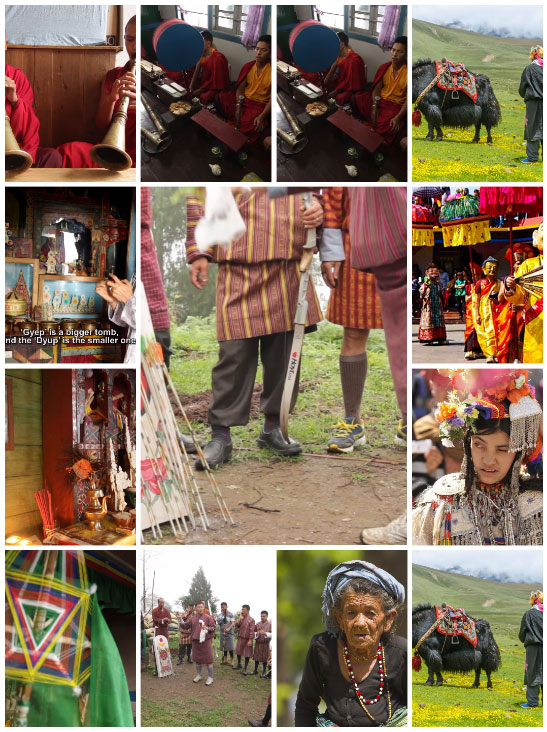
Mukhia (Dukpa) Community

Origin and Existence: The Mukhia or Dukpa community is found in parts of Sikkim and other Himalayan regions. They are believed to have Tibetan roots and are part of the broader cultural diversity of the Himalayas.
Traditional Culture: The Mukhia culture is influenced by Tibetan traditions and Buddhism. They have distinct rituals, practices, and folklore that contribute to their cultural identity.
Art and Craft: Skilled in traditional crafts, including weaving, carpet making, and pottery. Artistic expressions often feature intricate designs inspired by Tibetan and Himalayan motifs.
Lifestyle and Occupation: Historically engaged in agriculture, pastoralism, and trade. Many Mukhias today are involved in diverse occupations, including farming, animal husbandry, and other traditional trades.
Traditional Attire and Adornments: Traditional Mukhia attire includes garments made from wool and other natural fibers, suitable for the mountainous terrain. Adornments may include jewelry made from silver and turquoise, reflecting cultural and religious symbolism.
Cuisine and Diet: Mukhia cuisine is influenced by the availability of resources in the Himalayas. Staple foods include grains, potatoes, and dairy products. Traditional beverages like butter tea and chang (fermented barley beer) are common.
Music, Dance, and Festivals: Traditional Mukhia music involves instruments like flutes, drums, and string instruments. Dance forms are often part of cultural celebrations and religious rituals. Mukhias celebrate various festivals, including Losar (Tibetan New Year) and other Buddhist ceremonies.
Societal Importance: The Mukhia community holds cultural significance in the Himalayan regions, contributing to the diverse ethnic tapestry. Their traditional knowledge, especially in agriculture and pastoralism, is valuable for local sustainability. The preservation of Mukhia culture is crucial for maintaining the unique identity of the Himalayan communities.
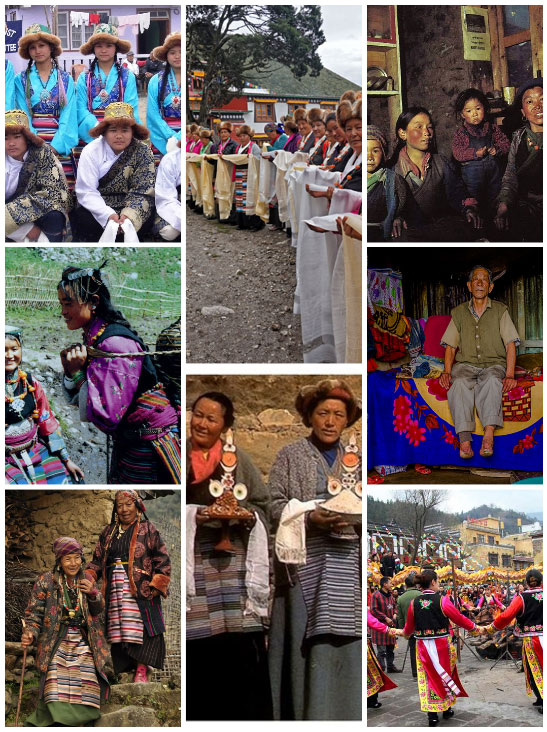
Mukhia (Dukpa) Community, Sikkim