Loading...

Lorem ipsum text

Know more
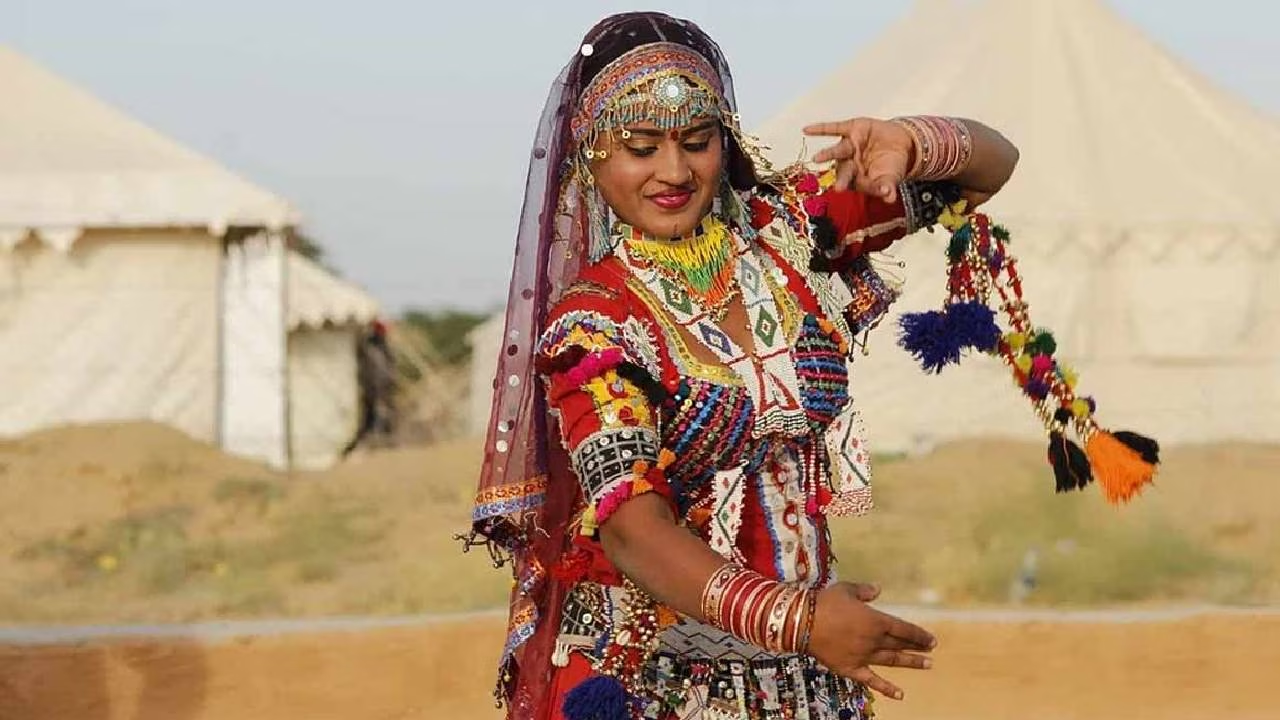
Bhil: The Bhil tribe is one of the largest tribal communities in Rajasthan. They primarily inhabit the southern and southeastern regions of the state. The Bhil people have a rich cultural heritage, known for their colorful attire, music, and dance forms.
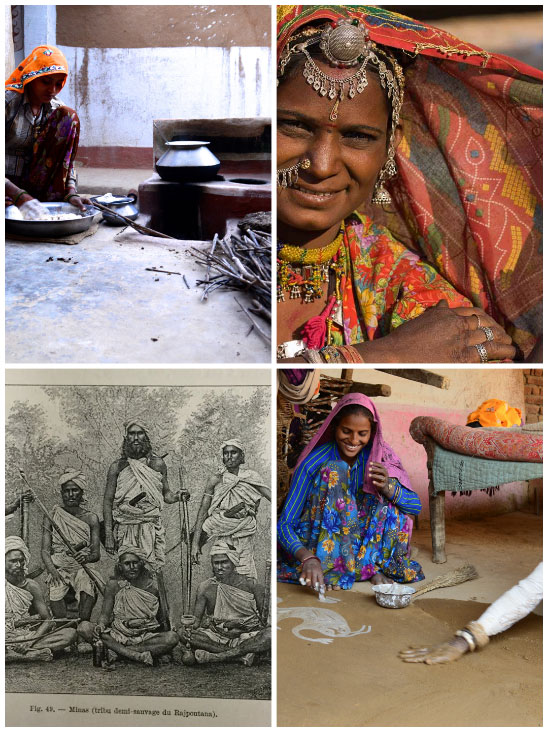
Mina: The Mina tribe is concentrated in the Alwar district of Rajasthan. They are known for their unique customs and traditions, including their elaborate jewelry and tattoo artistry. The Mina people have a rich history and have contributed to the state's cultural diversity.
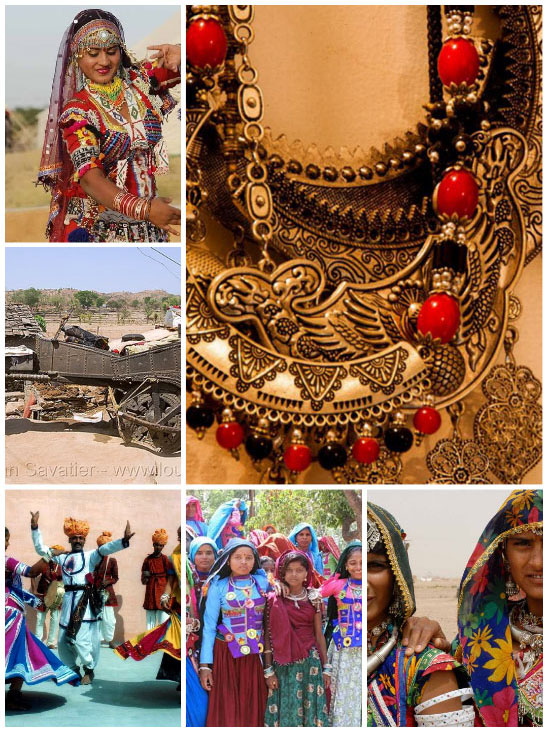
Garasia: The Garasia tribe resides in the hilly regions of southern Rajasthan, particularly in the districts of Sirohi and Dungarpur. They have their distinct language, Garasia, and are known for their vibrant attire and traditional jewelry.
Sahariya: The Sahariya tribe mainly inhabits the southeastern parts of Rajasthan, near the border with Madhya Pradesh. They traditionally practiced hunting and gathering but have transitioned to agriculture in recent years. Sahariya art forms, such as tribal painting and music, are noteworthy.
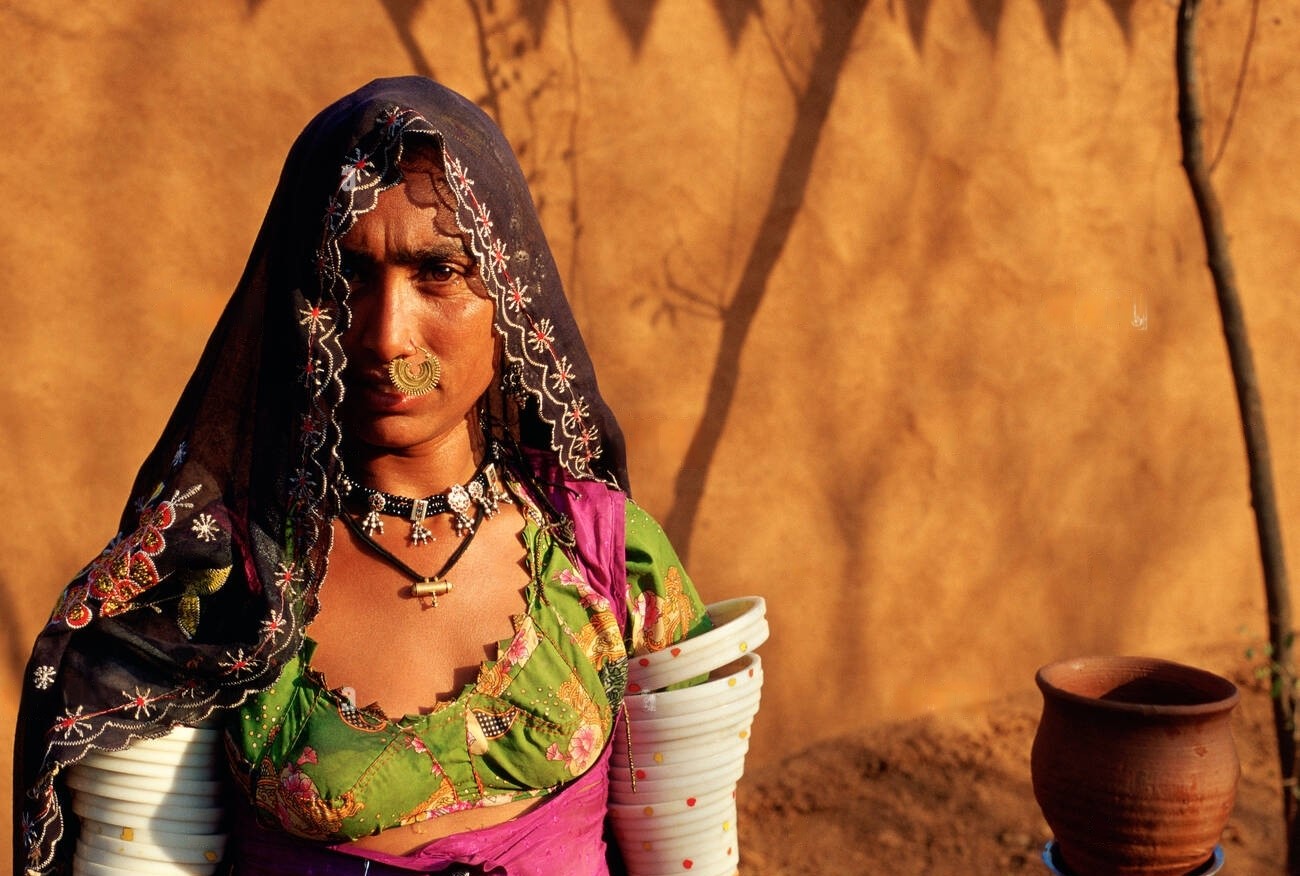
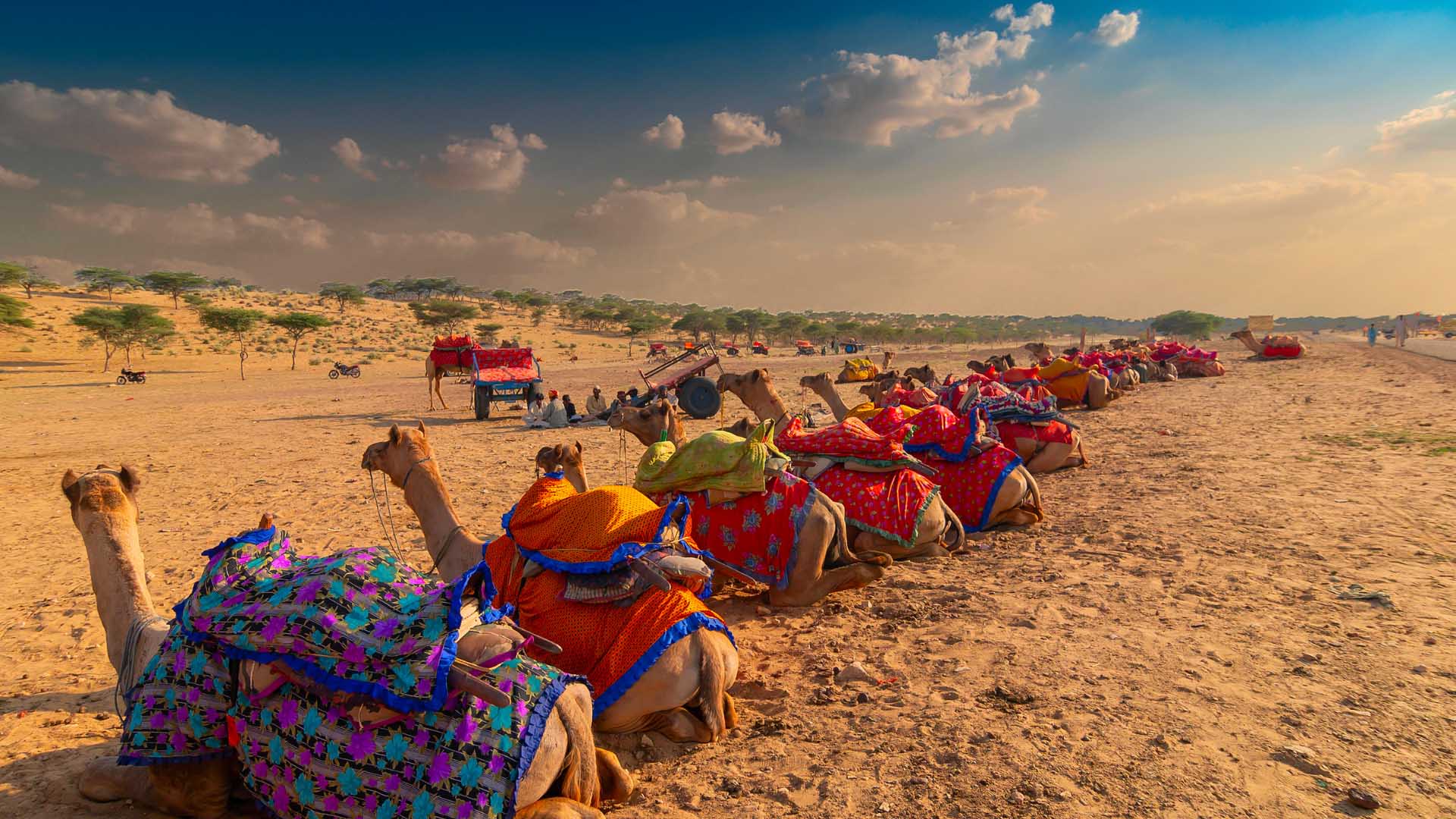
Rabari: The Rabari tribe is a pastoral community primarily found in western Rajasthan. They are known for their nomadic lifestyle, herding cattle and camels. The women of the Rabari tribe are skilled in embroidery and beadwork, creating intricate designs on their attire.
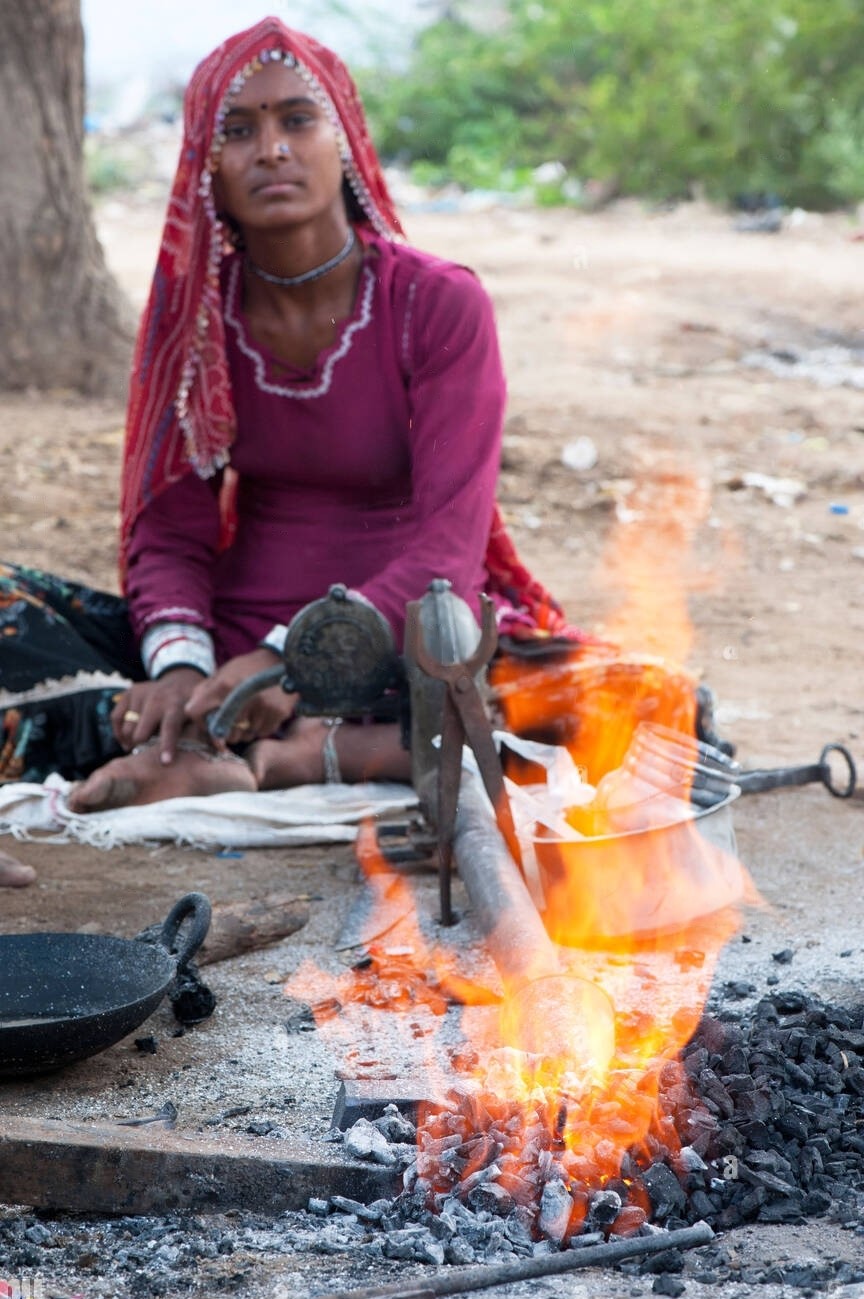
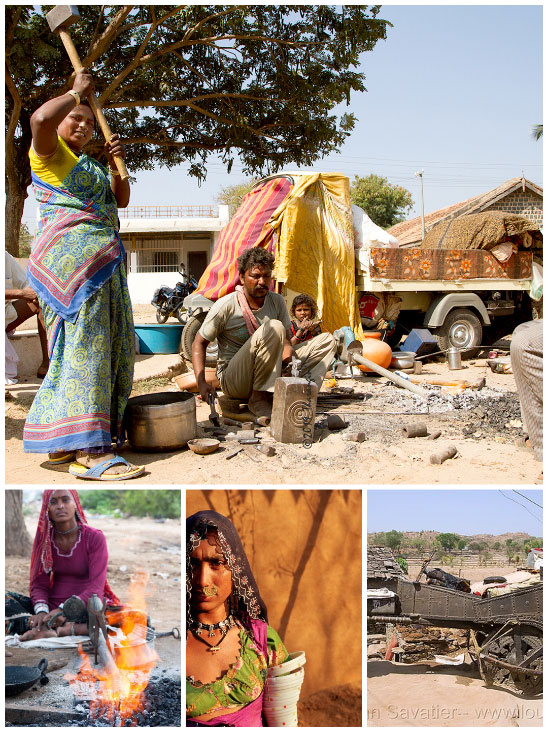
Gaduliya Lohar: This tribe is traditionally associated with blacksmithing and metalwork, particularly the crafting of iron and steel items. They are found in various parts of Rajasthan and have a significant role in preserving traditional metalworking techniques.
Gujjar: The Gujjar tribe has a presence in Rajasthan, particularly in the eastern and southern regions. They are primarily engaged in agriculture and cattle rearing. Gujjars have their language and cultural practices.
Rajasthan Tribe

These are just a few of the prominent tribes in Rajasthan. Each tribe has its unique customs, rituals, and contributions to the state's rich cultural heritage.

Mina Tribe

Origin and Existence: The Mina tribe is an indigenous community primarily found in the desert state of Rajasthan, India. They have a longstanding presence in the region, with a history dating back centuries.
Traditional Culture: The Mina tribe has a rich and distinct cultural identity. They maintain their language, traditions, and customs, which are deeply rooted in the desert landscape of Rajasthan.
Art and Craft: Minas are skilled artisans known for their intricate silver jewelry, including necklaces, earrings, and bangles. They are also renowned for their expertise in creating beautiful henna designs on their hands and feet.
Lifestyle and Occupation: Historically, the Minas were predominantly engaged in agriculture and animal husbandry, particularly cattle and camels. Some also practiced crafts such as pottery and weaving. In recent times, many Minas have diversified their occupations to adapt to modern changes.
Attire and Adornments: Mina women are recognized for their colorful attire, which typically includes ghagras (long skirts) and odhnis (veils). They adorn themselves with exquisite silver jewelry, which holds cultural significance and enhances their traditional attire.
Cuisine and Diet: The Mina diet is influenced by the arid desert environment, featuring staples like millet, lentils, and locally available vegetables. Due to their historical involvement in animal husbandry, dairy products like milk and ghee are essential components of their diet.
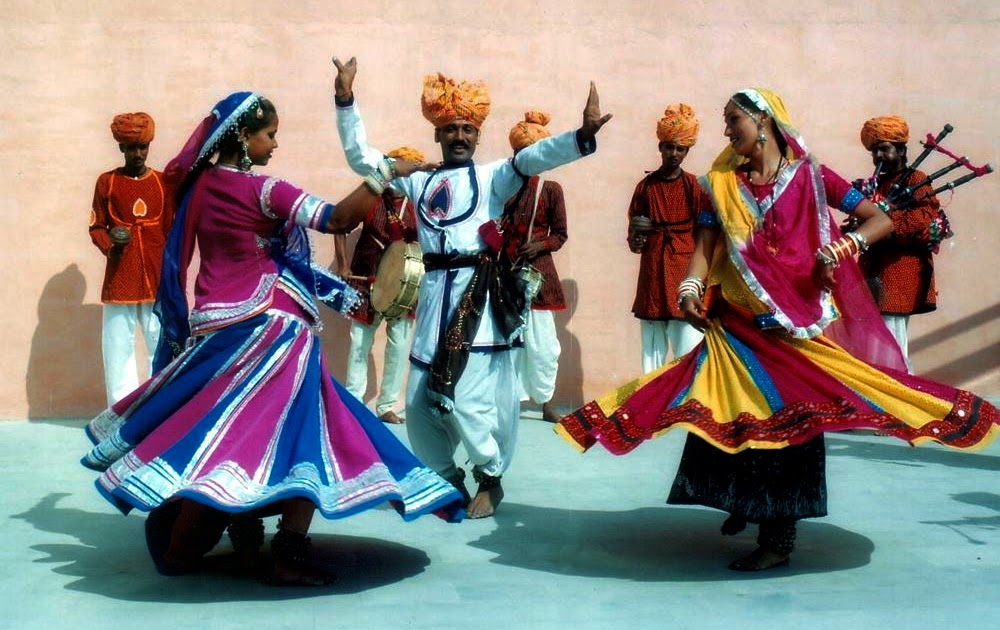
Music, Dance, and Festivals: Music and dance are integral to Mina culture. They have traditional folk songs and dances, often performed during festivals and special occasions. The Bhawai dance, where women balance pots on their heads while dancing, is a unique and noteworthy Mina dance form. They celebrate various Rajasthani festivals, such as Diwali and Holi, with cultural enthusiasm.
Societal Importance: The Mina tribe holds societal importance as one of Rajasthan's indigenous communities. They contribute to the state's cultural diversity and heritage through their distinctive customs, attire, artistry, and traditions. Efforts have been made to preserve their cultural identity and promote their socioeconomic development.
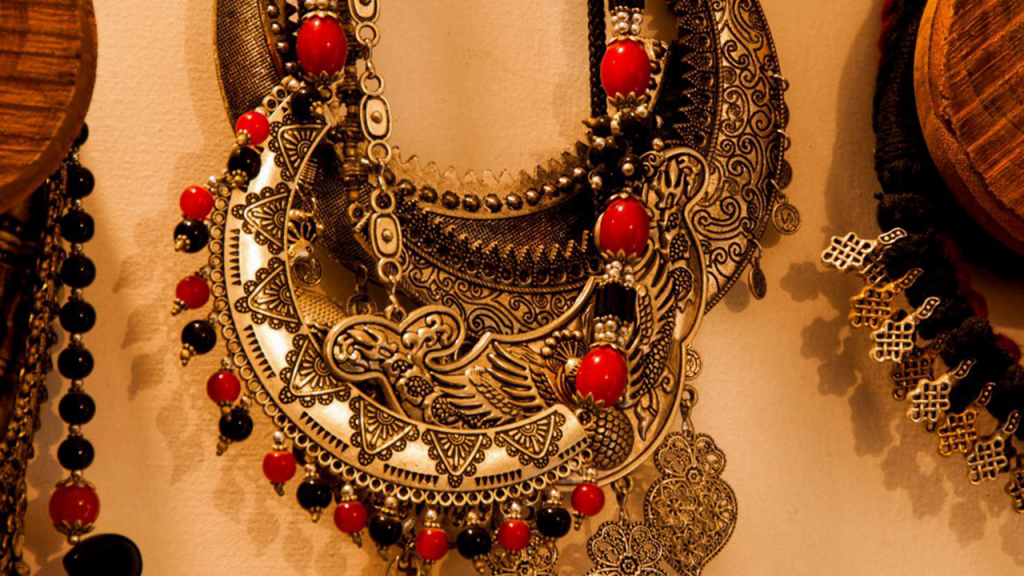
Mina Tribe, Rajasthan

Garasia Tribe

Origin and Existence: The Garasia tribe is an indigenous community mainly residing in the hilly regions of southern Rajasthan, India. They have a long history in the region, tracing their existence back for centuries.
Traditional Culture: Garasia culture is deeply rooted in their tribal heritage. They have their customs, rituals, and oral traditions that are passed down through generations, emphasizing a strong connection to nature and the environment.
Art and Craft: Garasia people are skilled artisans, particularly in pottery and handwoven textiles. They create intricate designs and patterns in their pottery and textiles, often using natural materials and dyes.
Lifestyle and Occupation: Historically, the Garasia tribe was primarily engaged in agriculture and animal husbandry, with a focus on subsistence farming. However, as modernization has occurred, some Garasia individuals have diversified their livelihoods to include other professions.
Traditional Attire and Adornments: Garasia men typically wear turbans and dhotis, while women don vibrant, handwoven sarees. Adornments include traditional jewelry like necklaces, bangles, and earrings, often made from locally available materials.
Cuisine and Diet: The Garasia diet is influenced by the availability of local ingredients. It includes dishes based on millets, lentils, vegetables, and dairy products like buttermilk and yogurt. Due to their hilly terrain, they also incorporate forest produce into their diet.
Music, Dance, and Festivals: Music and dance play an integral role in Garasia culture. They have traditional folk songs and dances that are performed on various occasions and festivals. These cultural expressions reflect their close connection to nature and their agricultural lifestyle. They celebrate festivals such as Diwali and Holi with traditional fervor.
Societal Importance: The Garasia tribe holds societal importance as one of Rajasthan's indigenous communities. They contribute to the state's cultural diversity and heritage through their unique customs, artistry, and traditions. Efforts have been made to preserve their cultural identity and improve their socioeconomic conditions, acknowledging their historical and cultural significance.
Garasia Tribe, Rajasthan

Gaduliya Tribe

Origin and Existence: The Gaduliya Lohar tribe is an indigenous community with a presence in various parts of India, including Rajasthan. They have a long history, with their roots in metalworking and blacksmithing traditions.
Traditional Culture: Gaduliya Lohar culture is closely tied to their traditional occupation of metalworking. They have unique customs and rituals, often associated with their craftsmanship.
Art and Craft: The Gaduliya Lohar tribe is renowned for their metalworking skills, particularly in forging and crafting iron and steel items. They create essential tools, ornaments, and decorative items using traditional techniques.
Lifestyle and Occupation: The tribe's traditional occupation revolves around blacksmithing and metalwork. They continue to practice these skills, although some have diversified into other professions due to modernization.
Traditional Attire and Adornments: Their attire is often simple and functional, reflecting their occupation. Adornments may include traditional jewelry made from metals they work with, such as bracelets or necklaces.
Cuisine and Diet: The Gaduliya Lohar diet typically consists of locally available foods, including grains, vegetables, and dairy products. Their diet may vary based on the region they inhabit.
Music, Dance, and Festivals: While they may not have elaborate music and dance traditions of their own, Gaduliya Lohar communities often participate in local festivals and celebrations, contributing to the cultural diversity of the regions they inhabit.
Societal Importance: The Gaduliya Lohar tribe plays a significant role in preserving traditional metalworking techniques and contributing to local economies through their craftsmanship. While they may not be as well-known as some other tribes, their skills and contributions are vital in the communities where they reside. Efforts have been made to recognize their importance and support their cultural preservation.
Gaduliya Tribe, Rajasthan