Origin and Existence: The Angami tribe is indigenous to the hilly terrains of Nagaland, residing in the Naga Hills. They have a longstanding presence in the region, with a rich historical and cultural heritage.
Traditional Culture: Angami culture is deeply rooted in traditions, customs, and animistic beliefs. The tribe follows traditional Naga customs, emphasizing a close connection with nature and spirits. The oral tradition is significant, with folklore and myths passed down through generations.
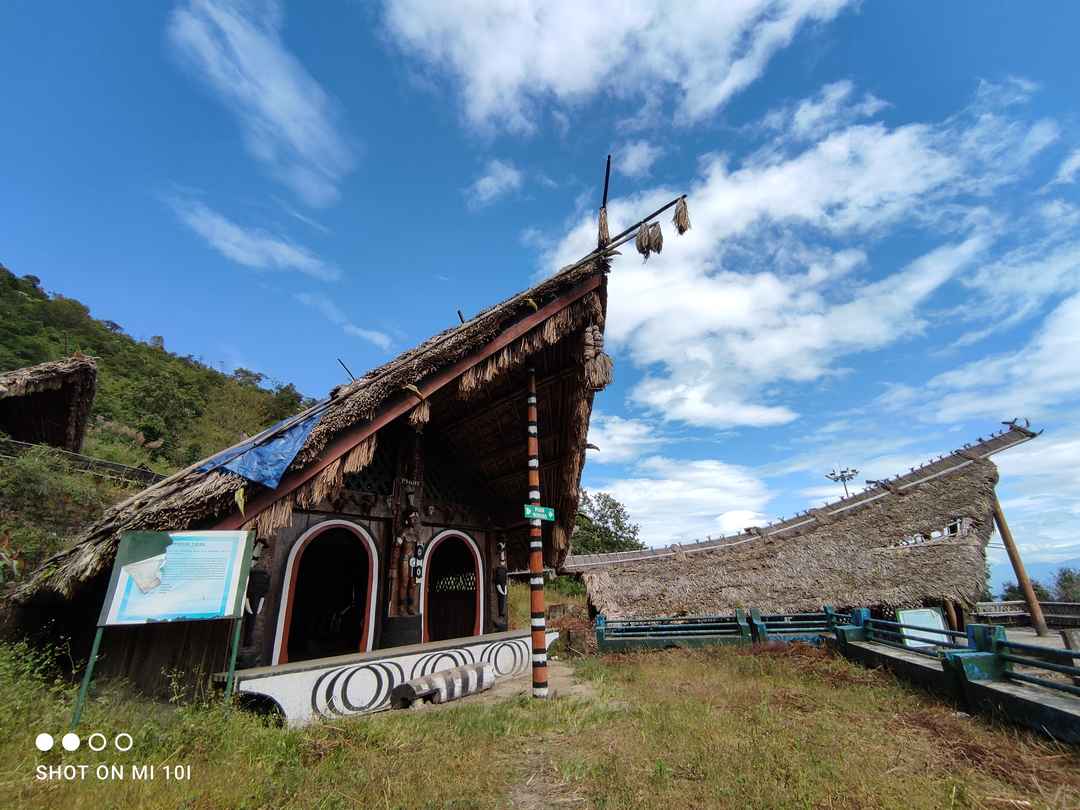
Art and Craft: Skilled in various traditional crafts, including bamboo and cane work, wood carving, and handloom weaving. Angami houses are adorned with intricate wood carvings, showcasing the artistic prowess of the community.
Lifestyle and Occupation: Historically engaged in agriculture, practicing terrace cultivation on the hills. Agricultural practices include the cultivation of paddy, millet, and other crops. In contemporary times, some Angami individuals are involved in diverse occupations, including government services, education, and business.
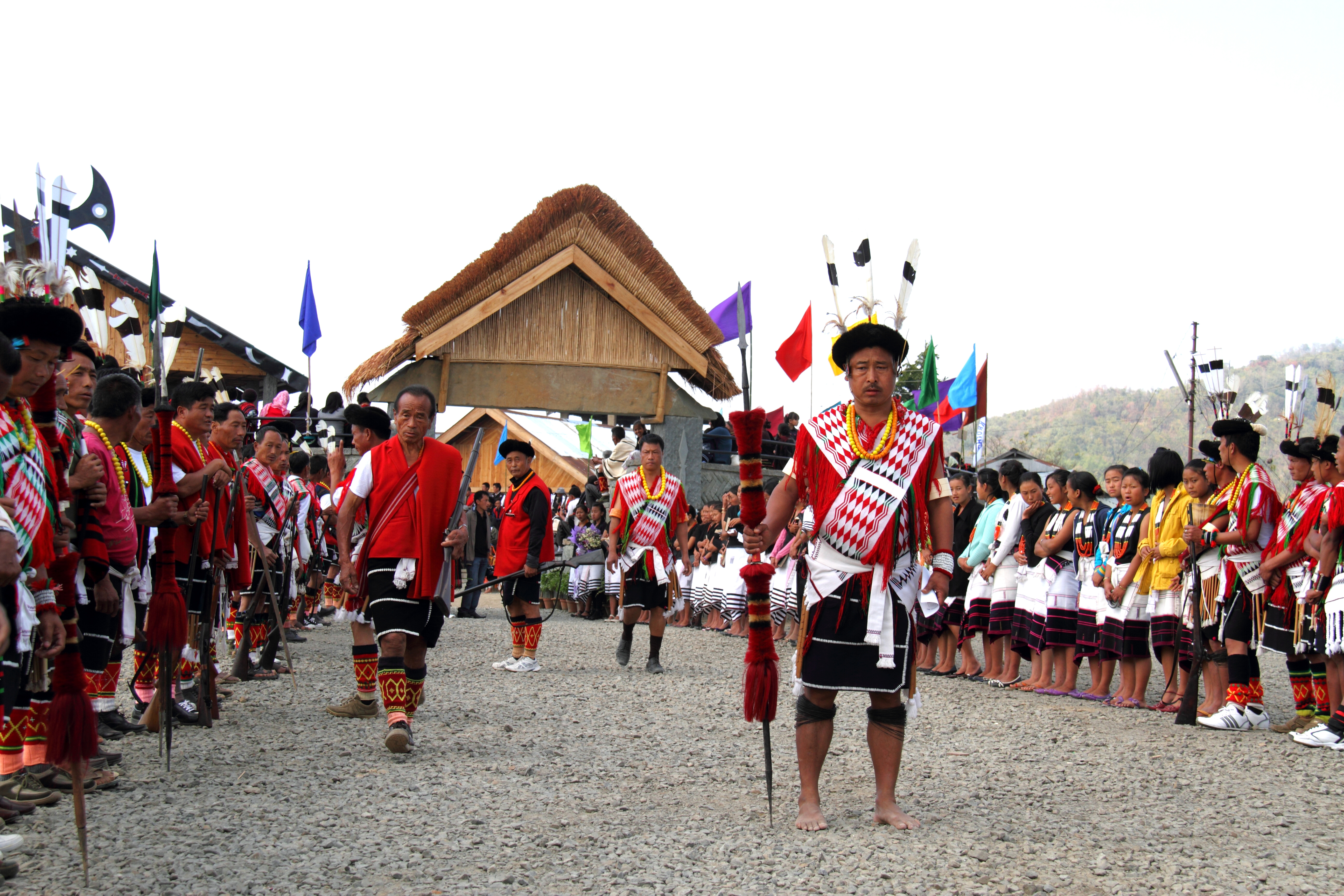
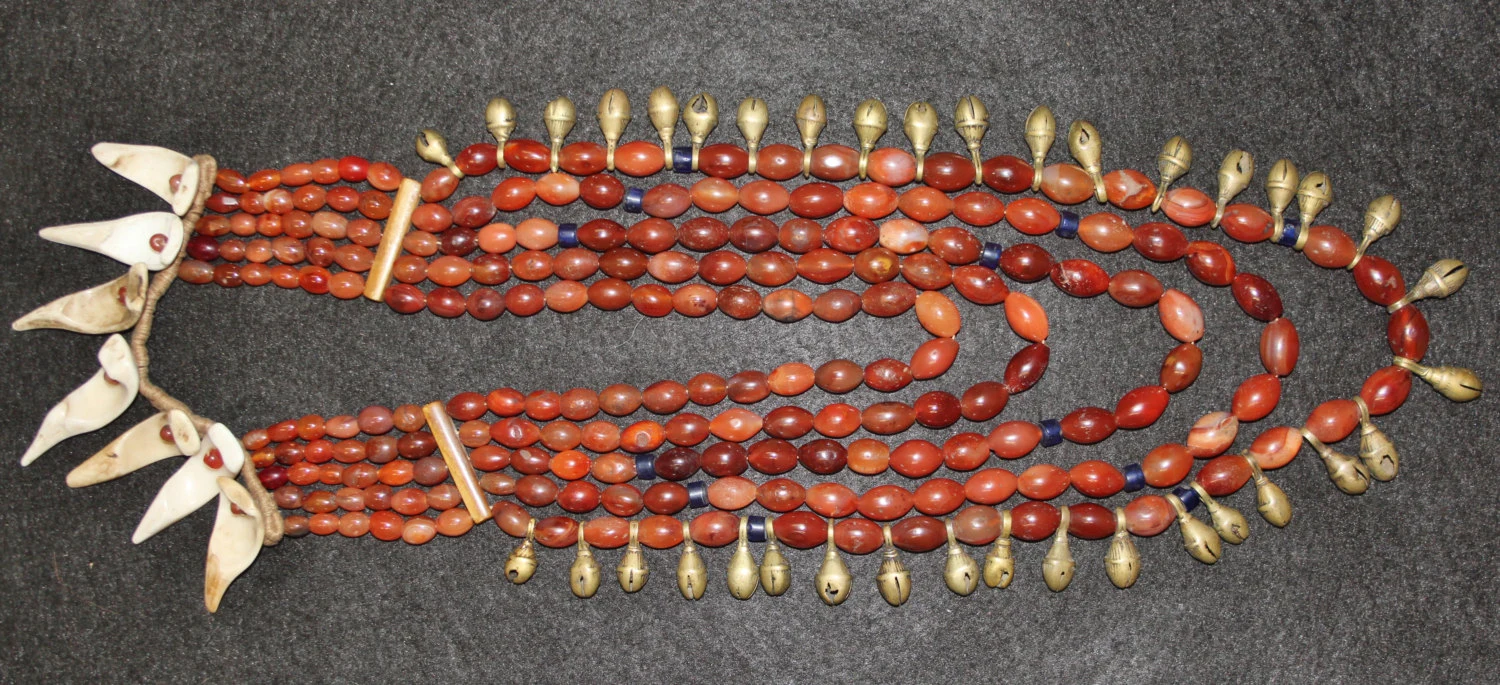
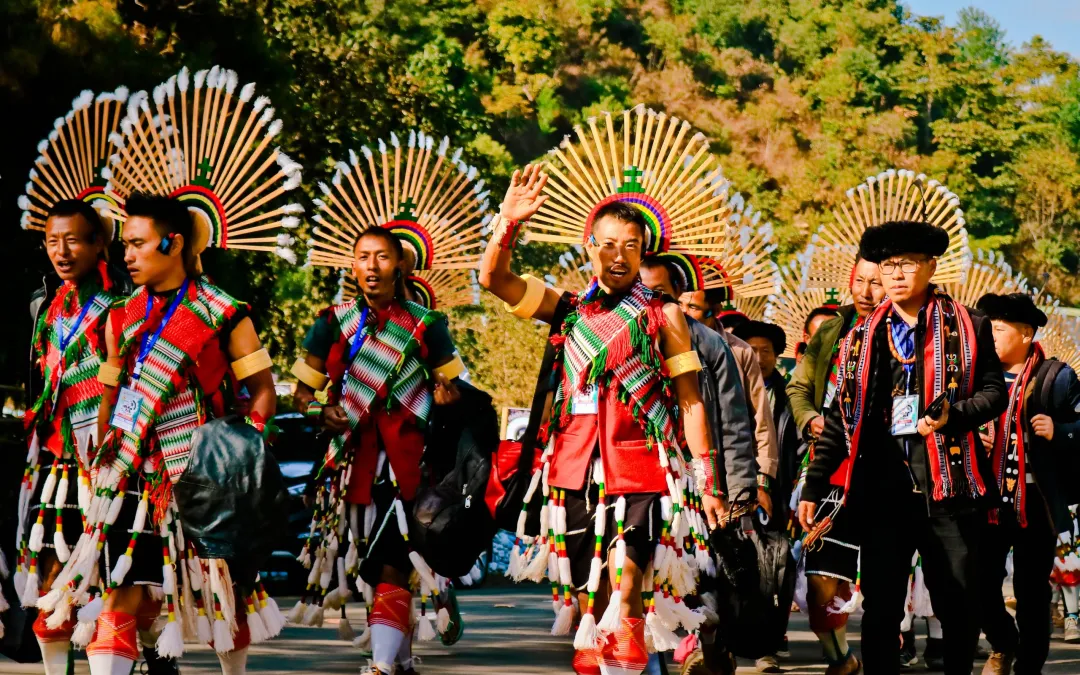
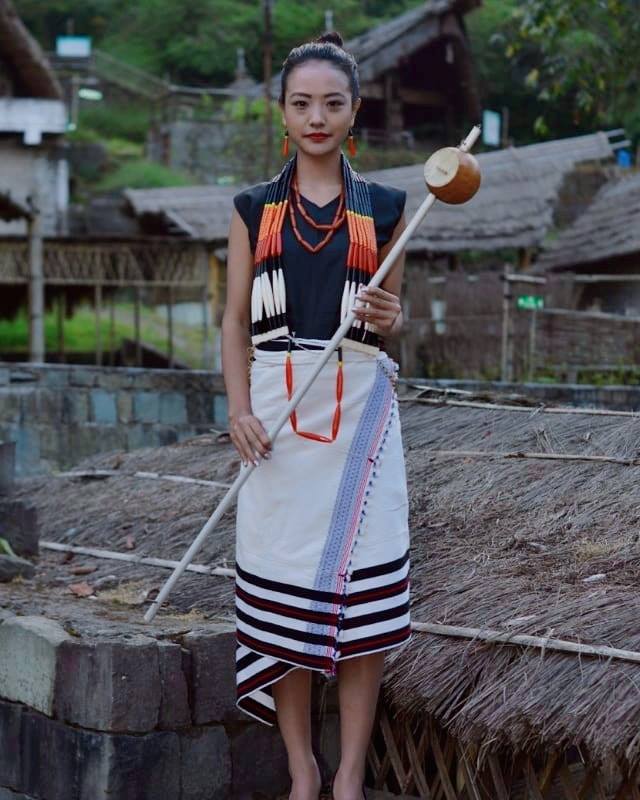
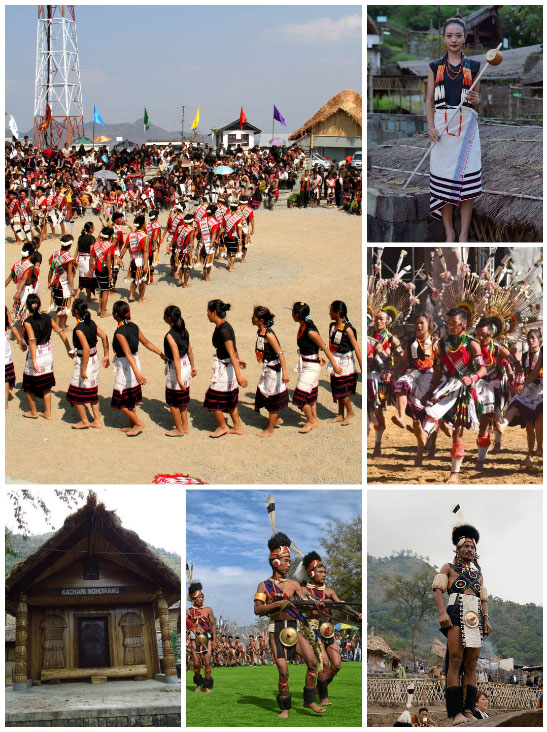
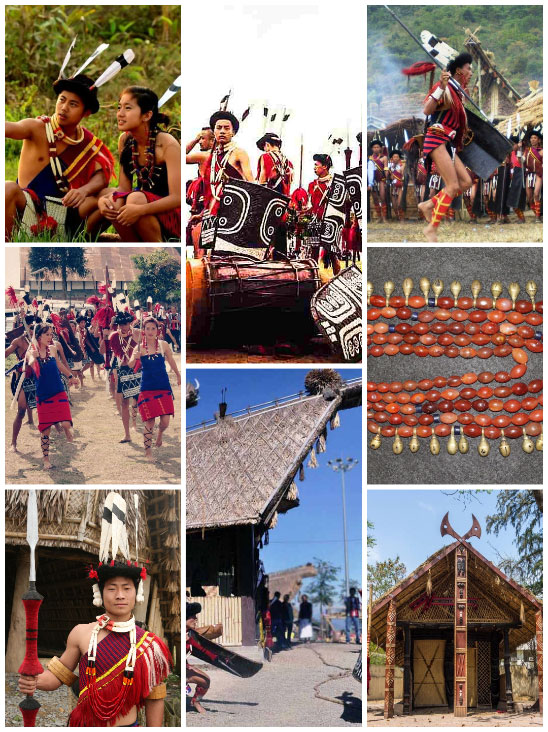
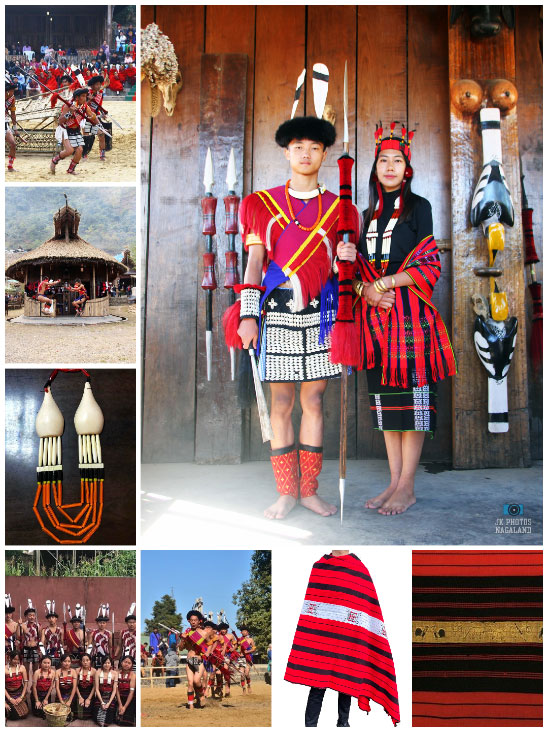
Attire and Adornments: Traditional Angami attire includes garments made from handwoven fabrics with unique patterns, often reflecting cultural symbols. Adornments include jewelry made from beads, shells, and metals, worn during ceremonies and festivals.
Cuisine and Diet: The Angami diet comprises staple crops such as rice, millet, and maize. Non-vegetarian items like pork, beef, and wild meats are integral to their diet. Traditional Angami cuisine features a variety of dishes seasoned with indigenous herbs and spices.
Music, Dance, and Festivals: Traditional Angami music involves the use of instruments like drums and bamboo flutes. Vibrant dance forms are performed during various occasions, including festivals and cultural events. Sekrenyi is a significant festival celebrated with traditional rituals, dances, and feasting.
Societal Importance: The Angami tribe holds societal importance as one of the major ethnic groups in Nagaland. They contribute significantly to the cultural diversity of the state and play a crucial role in the social, economic, and political spheres. Angami leaders and community members actively participate in regional and state-level affairs.
Traditional Knowledge: The Angami community possesses traditional knowledge encompassing agriculture, medicinal plants, and ecological sustainability. Traditional wisdom is transmitted orally, ensuring the preservation of knowledge related to customs, rituals, and cultural practices.