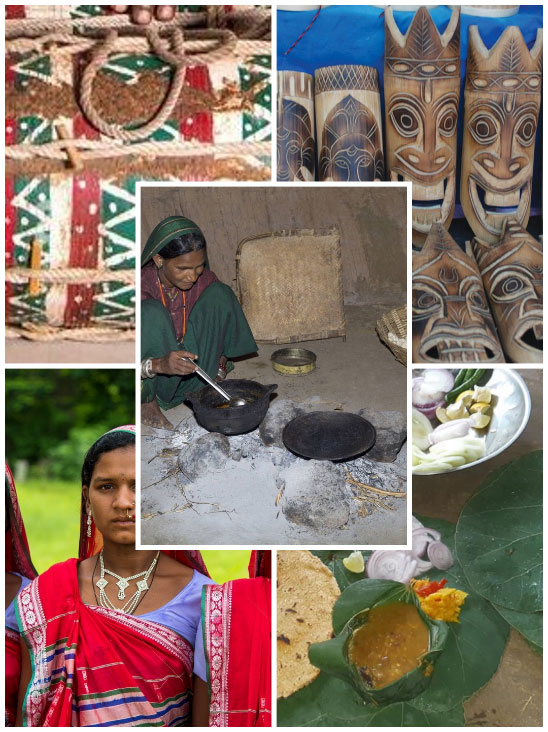
Origin and Existence: The Bhil tribe is one of the largest indigenous communities in India, mainly residing in the central and western regions, including states like Madhya Pradesh, Rajasthan, Gujarat, and Maharashtra. They have an ancient history and have been an integral part of these regions.
Traditional Culture: The Bhil culture is deeply rooted in their connection to the land and the forests. Their beliefs, rituals, and folklore celebrate their relationship with nature and ancestors.
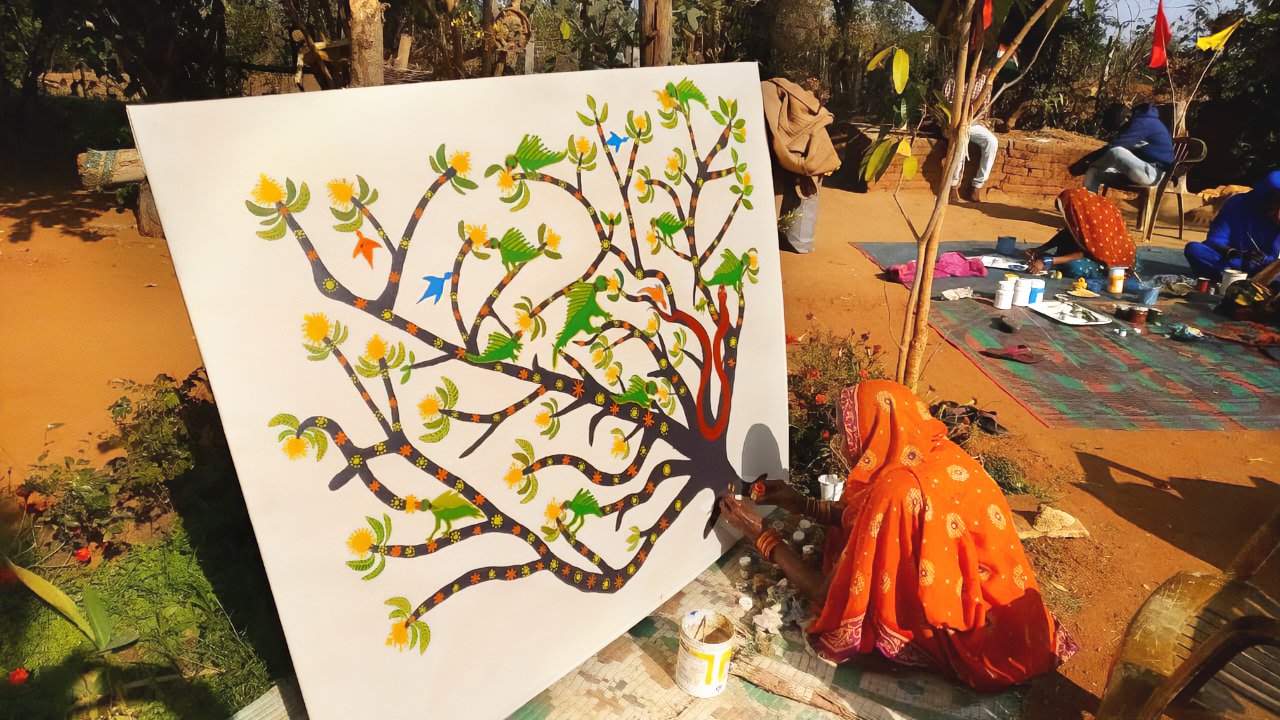
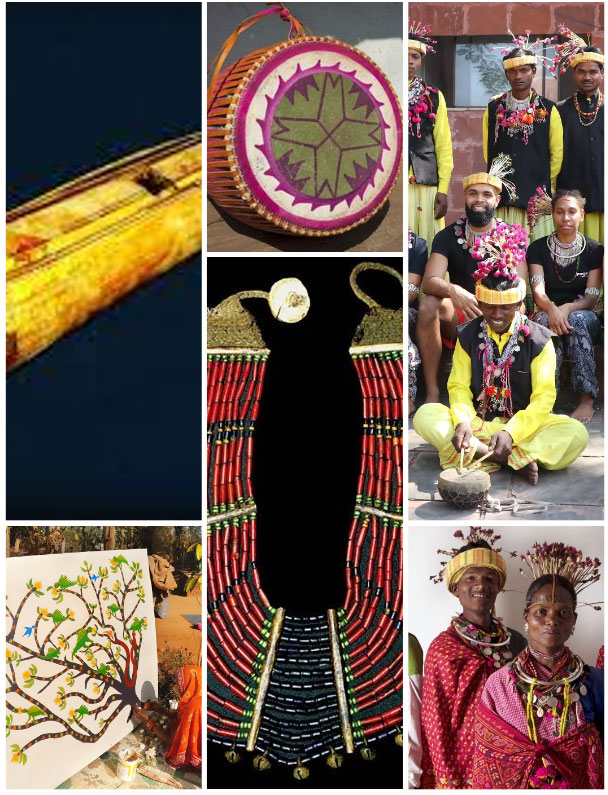
Art and Craft: Bhils are skilled artisans, creating intricate tribal art on walls, floors, and various surfaces. Their artistic expressions often depict nature, animals, and daily life.
Lifestyle and Occupation: Traditionally, Bhils were subsistence farmers, practicing shifting cultivation. They also engaged in hunting and gathering. In modern times, their livelihoods have diversified to include agriculture, labor, and other activities.
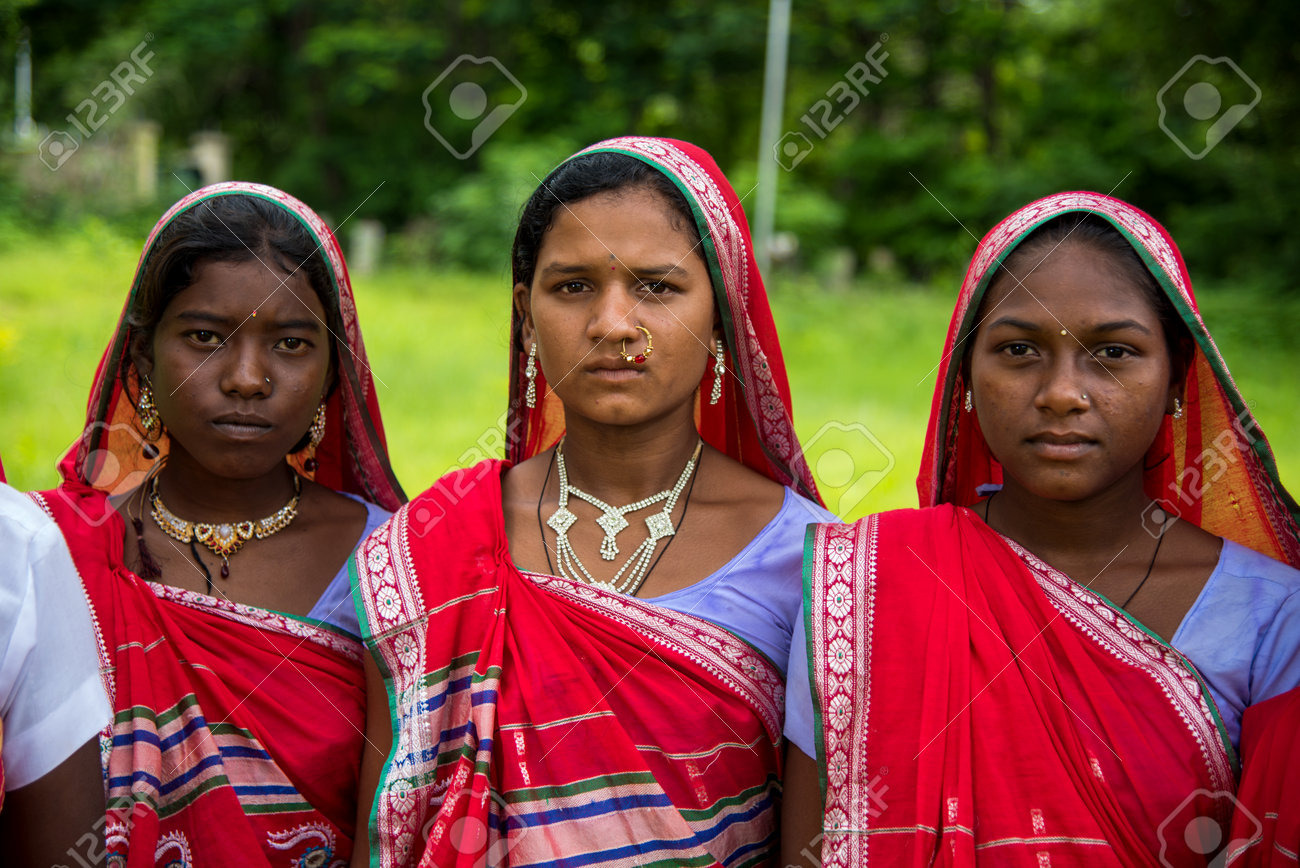
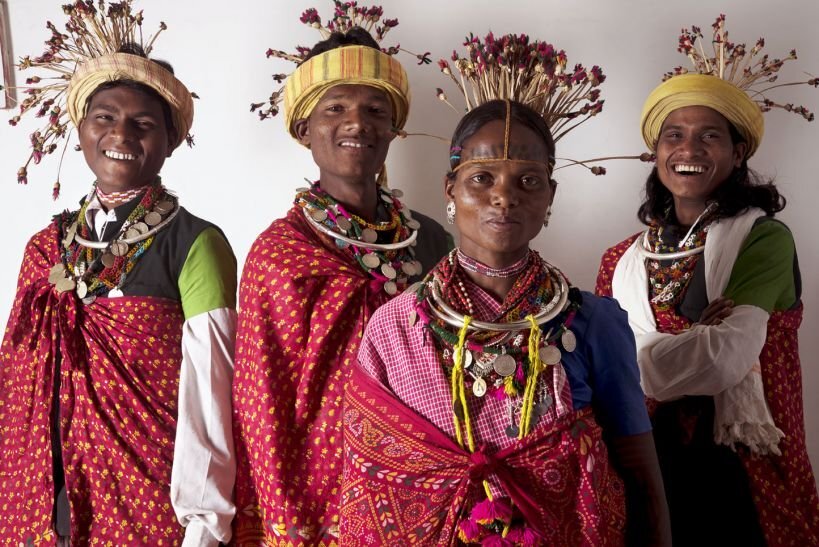
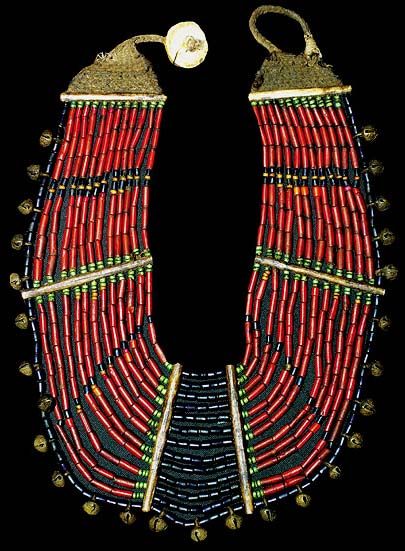
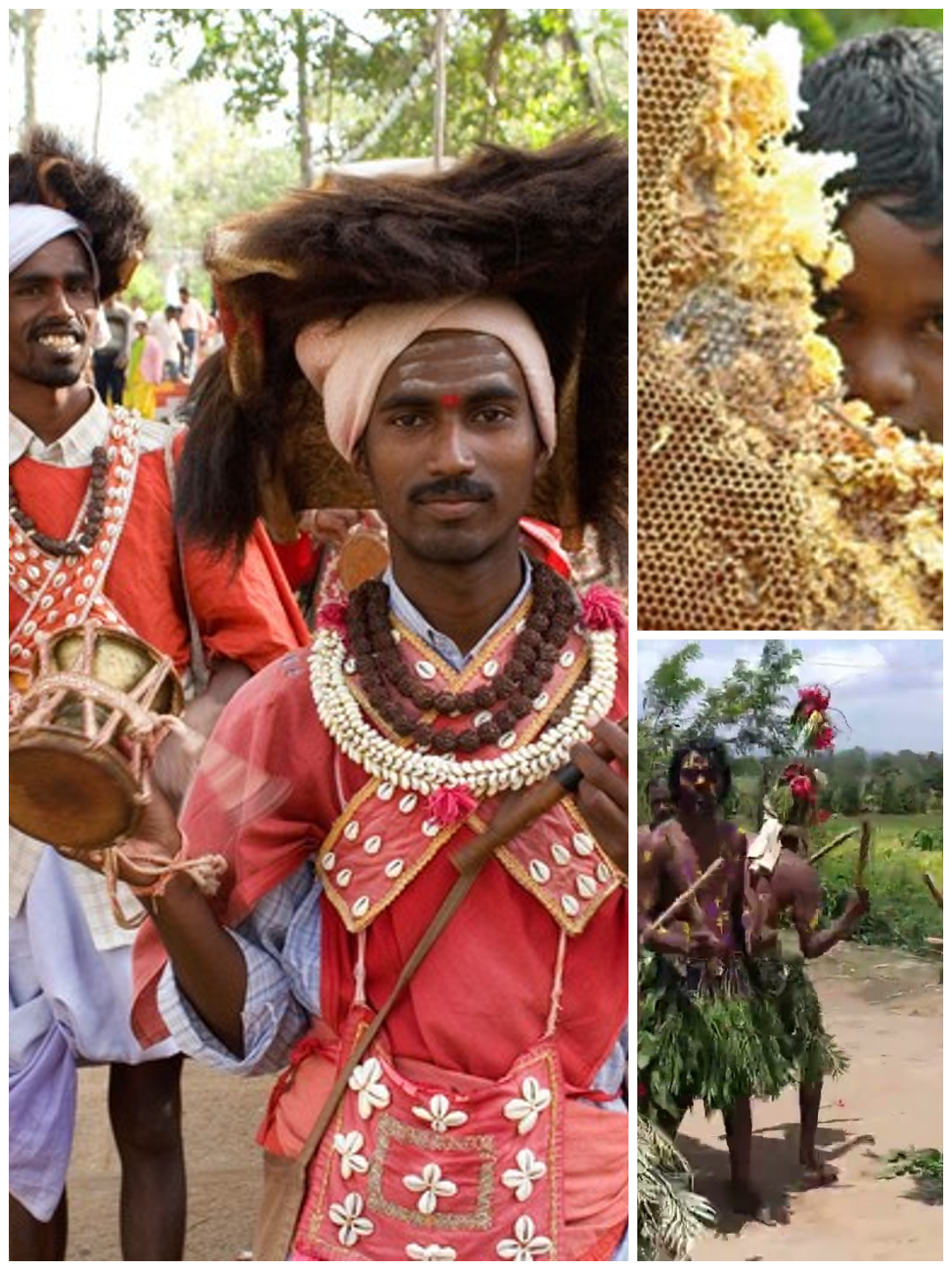
Attire and Adornments: Their attire reflects practicality and cultural identity. Adornments include jewelry made from materials like beads, metals, and shells, showcasing their unique aesthetics.
Cuisine and Diet: Their diet revolves around locally grown grains, vegetables, and forest produce. Wild edibles and game have historically been part of their diet, emphasizing their close relationship with nature.
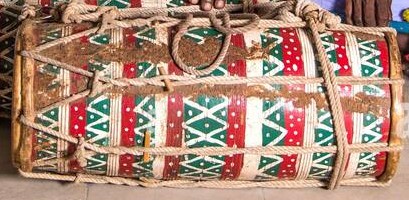
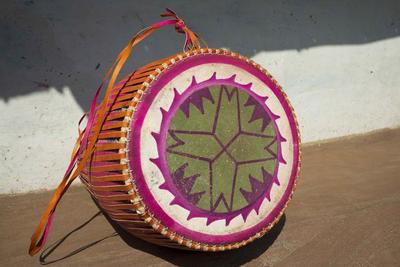
Music, Dance, and Festivals: Bhil communities have their own musical and dance forms that celebrate their cultural heritage. Festivals are occasions for vibrant expressions of art, music, and dance.
Societal Importance: Bhil communities have their own musical and dance forms that celebrate their cultural heritage. Festivals are occasions for vibrant expressions of art, music, and dance.