Loading...

Karnataka, a state in southern India, has a rich cultural and ethnic diversity, with various tribes residing in different parts of the state. Here are some of the important tribes from Karnataka:

Know more
Jenu Kuruba: The Jenu Kuruba tribe primarily inhabits the forests of the Western Ghats and regions like Kodagu and Chamarajanagar. They are traditionally hunter-gatherers and honey collectors.
Hakki Pikki: The Hakki Pikki tribe is known for their traditional occupation of bird trapping and selling birds as pets. They are often itinerant and can be found in various parts of Karnataka.
Soliga: The Soliga tribe resides in the Biligiriranga Hills (BR Hills) and Male Mahadeshwara Hills regions. They have a strong connection with the forest and practice shifting agriculture.
Yerava: The Yerava tribe primarily inhabits the Kodagu (Coorg) region of Karnataka. They are traditionally known for their expertise in martial arts and their unique cultural practices.
Gowda: The Gowda tribe, also known as the Heggades, are found in various parts of Karnataka. They are mainly involved in agriculture and have their own distinct customs and traditions.
Barda: The Barda tribe resides in the Gir forest area and is known for their close association with the Asiatic lion. They have their own customs and traditions that revolve around lion conservation.
Koraga: The Koraga tribe is found in coastal regions of Karnataka, particularly in areas like Dakshina Kannada and Udupi. Traditionally, they were engaged in activities like fishing and agriculture.
Betata: The Betata tribe resides in the Uttara Kannada district of Karnataka. They are known for their traditional occupation of making wooden toys and artifacts.
Gond: The Gond tribe, although primarily associated with central India, also has a presence in certain parts of Karnataka. They have their own language and distinctive artistic traditions.
Naikda: The Naikda tribe is found in the Belgaum and Dharwad districts of Karnataka. They are mainly engaged in agricultural activities.
Pardhi: The Pardhi tribe, originally from central India, also have a presence in parts of Karnataka. They were historically known as hunters and gatherers.
Siddi: The Siddi community, although not a traditional tribe, is an important ethnic group with African ancestry. They are mainly found in the Uttara Kannada district and have a unique cultural heritage.
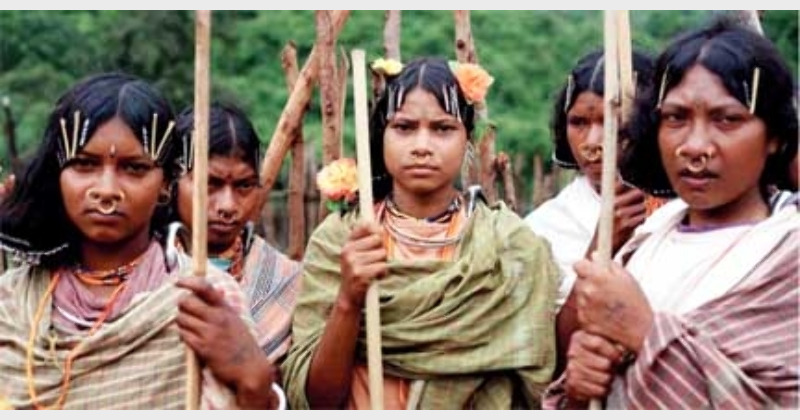
Karnataka Tribe

It's important to note that these tribal communities have their own languages, customs, and ways of life. Over time, there have been efforts to preserve their cultures and provide them with opportunities for education and development while respecting their traditional knowledge and way of life.

Jenu Kuruba

Origin and Existence: The Jenu Kuruba tribe is indigenous to the forests of the Western Ghats in Karnataka, India. They have a long history of existence in these forested regions, coexisting with nature.
Traditional Culture: The Jenu Kurubas have a culture deeply intertwined with the forest environment. Their beliefs, rituals, and practices revolve around their harmonious relationship with nature.
Art and Craft: They exhibit skill in crafting items like baskets, hunting tools, and musical instruments using natural materials. Their craftwork reflects their resourcefulness and adaptability to their surroundings.
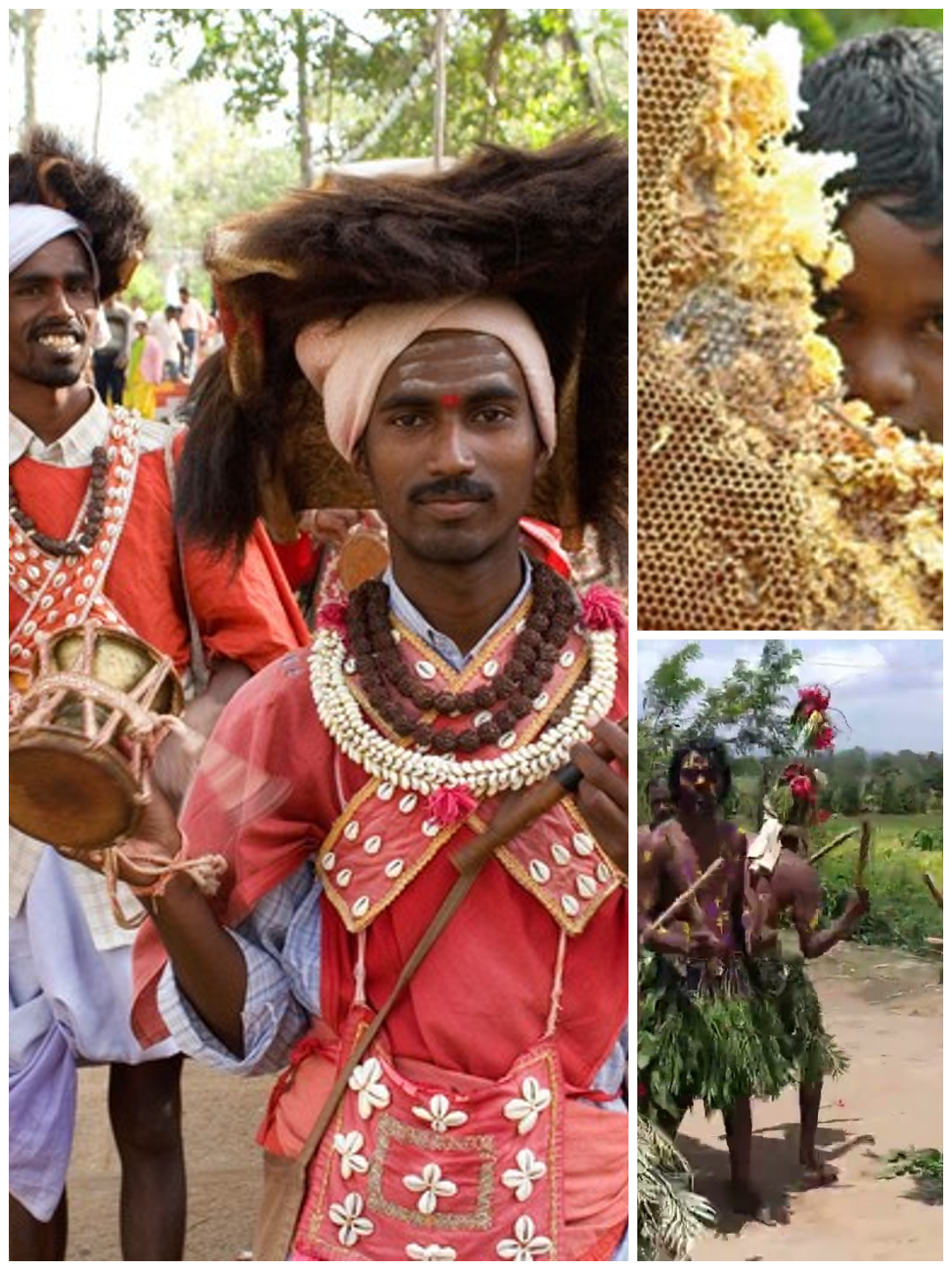
Lifestyle and Occupation: Traditionally, they were hunter-gatherers and honey collectors. They relied on hunting small game and gathering forest produce like fruits and roots. Honey collection was a prominent part of their livelihood.
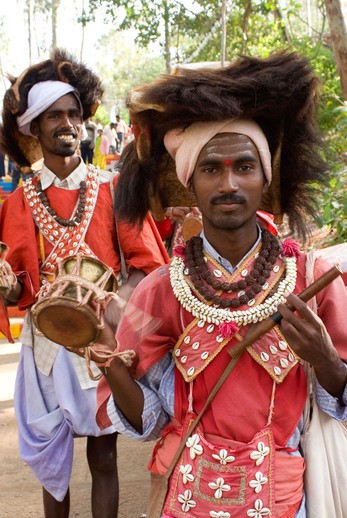
Attire and Adornments: Traditionally, they were hunter-gatherers and honey collectors. They relied on hunting small game and gathering forest produce like fruits and roots. Honey collection was a prominent part of their livelihood.
Cuisine and Diet: Their diet is diverse, sourced from the forest. It includes wild fruits, tubers, and small game. Honey, a vital part of their diet, is not only a food source but also a cultural symbol.
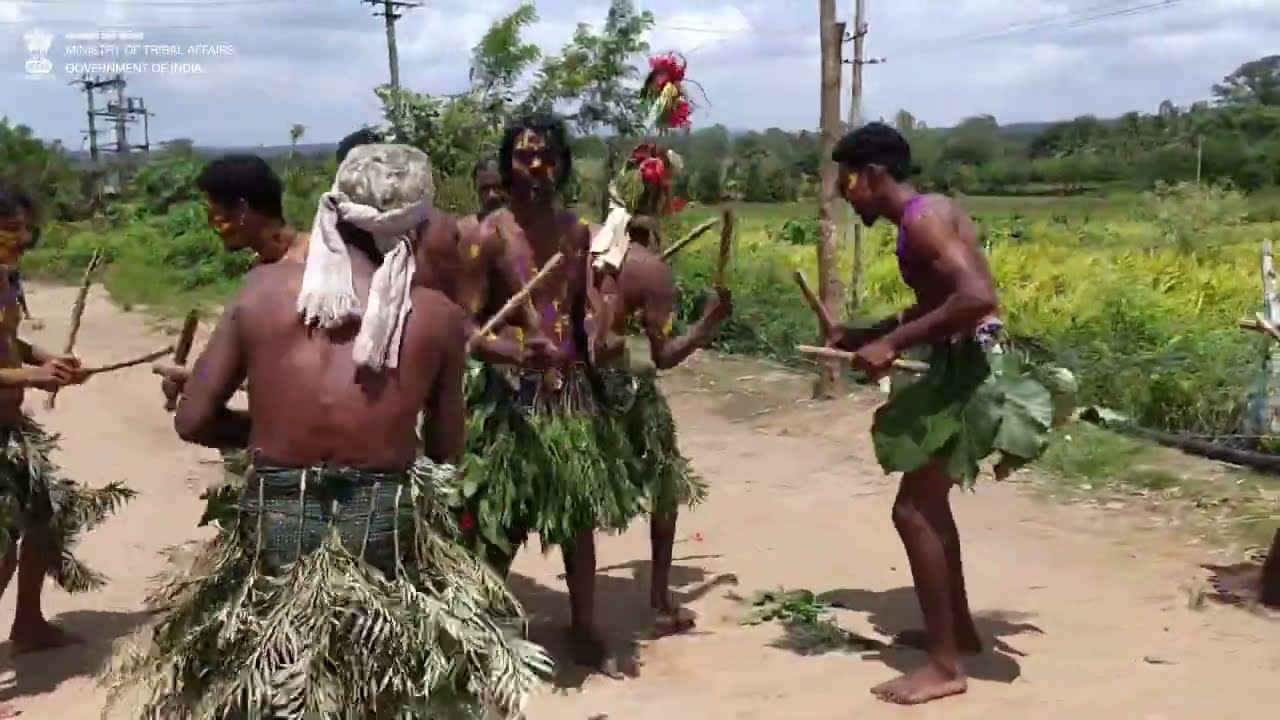
Music, Dance, and Festivals: They have unique musical and dance forms that celebrate their connection with the forest and their way of life. These expressions are often featured in their festivals, which are rooted in nature-based traditions.
Societal Importance: The Jenu Kurubas play a vital role as custodians of traditional knowledge about the forest ecosystem. Their sustainable practices have contributed to biodiversity conservation. However, they face challenges due to modernization and habitat loss, necessitating efforts to preserve their culture and rights.
Jenu Kuruba, Karnataka Tribe

Hakki Pikki

Origin and Existence: The Hakki Pikki tribe is a nomadic community found across Karnataka and other parts of South India. They have a history of itinerant existence and are known for their unique lifestyle.
Traditional Culture: The Hakki Pikkis have a distinct culture shaped by their nomadic lifestyle. They have developed customs, language, and traditions that reflect their close-knit community.
Art and Craft: They have skills in crafting baskets, mats, and other items using natural materials. These traditional crafts are practical for their mobile way of life.
Lifestyle and Occupation: Traditionally, the Hakki Pikkis were known for bird trapping and selling birds as pets. They also engage in activities like selling trinkets and performing small tasks in exchange for food.
Traditional Attire and Adornments: Their attire is often simple and practical, suited for their mobile lifestyle. Adornments can include jewelry made from inexpensive materials, reflecting their unique cultural style.
Cuisine and Diet: Their diet is typically basic, including grains, vegetables, and whatever they can gather during their travels. As a nomadic community, their food options are limited to what's available on the move.
Music, Dance, and Festivals: They have their own forms of music and dance that are integral to their cultural expression. These art forms often feature in their festivals, which are a time for community bonding.
Societal Importance: The Hakki Pikki tribe contributes to the cultural diversity of Karnataka. They have faced challenges due to their nomadic lifestyle and lack of permanent settlements, which has led to efforts to provide them with education, healthcare, and social recognition.
Hakki Pikki, Karnataka Tribe

Yerava

Origin and Existence: The Yerava tribe is indigenous to the Kodagu (Coorg) region in Karnataka, India. They have a long history of inhabiting the hilly terrain of this area.
Traditional Culture: The Yerava tribe's culture is deeply rooted in their connection to their ancestral land. Their customs, rituals, and way of life reflect their distinct identity.
Art and Craft: The Yerava tribe's culture is deeply rooted in their connection to their ancestral land. Their customs, rituals, and way of life reflect their distinct identity.
Lifestyle and Occupation: Historically, Yeravas were agriculturists, cultivating crops like rice and millets. They possess in-depth knowledge of their environment and practice sustainable agricultural methods.
Traditional Attire and Adornments: Their attire is influenced by their surroundings, and they adorn themselves with jewelry made from materials like beads and metals, often as a reflection of their cultural heritage.
Cuisine and Diet: Their diet comprises locally grown grains, vegetables, and fruits. It mirrors their agrarian lifestyle and emphasizes the utilization of available resources.
Music, Dance, and Festivals: Yeravas celebrate their culture through traditional music, dance, and festivals. These expressions are woven into their rituals and community gatherings.
Societal Importance: The Yerava tribe holds cultural significance due to their unique practices and sustainable farming methods. Efforts are being made to preserve their cultural heritage while addressing challenges they encounter.
Yerava, Karnataka Tribe