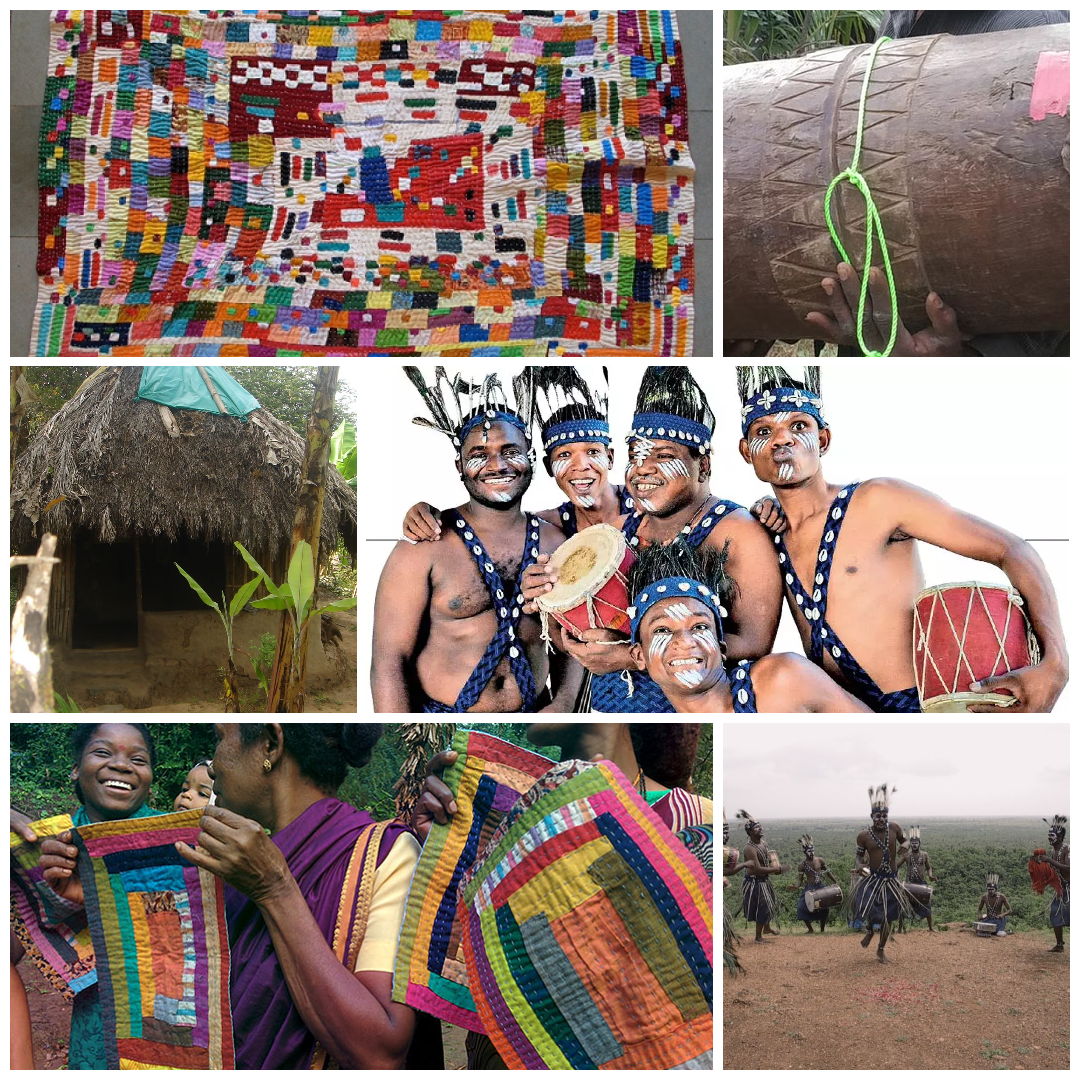
Origin and Existence: The Siddi tribe is of African origin, primarily descendants of Bantu peoples from East Africa. They have lived in India for centuries, with a significant presence in regions like Gujarat, Karnataka, and Hyderabad.
Traditional Culture: Siddi culture is a blend of African and Indian influences. They have preserved their African roots through their music, dance, and rituals, while also incorporating Indian customs.
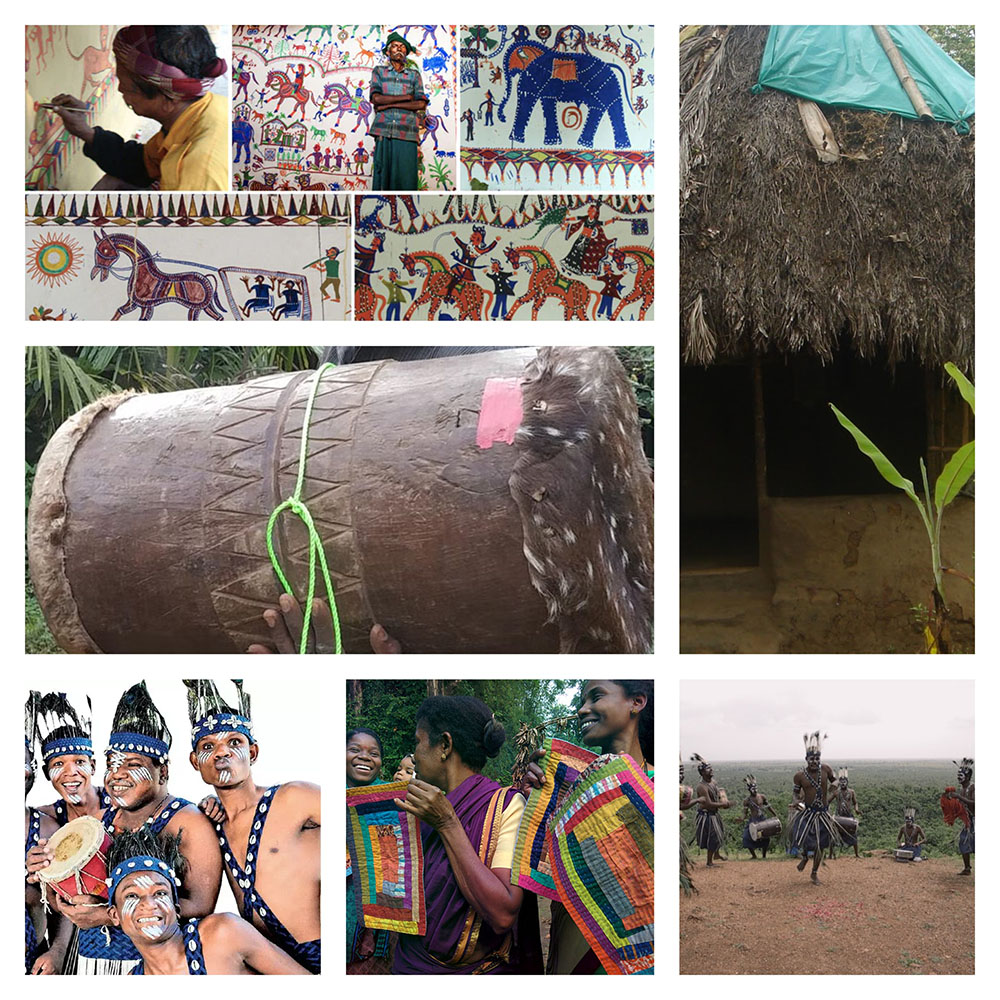
Art and Craft: The Siddis are known for their traditional art forms, including vibrant paintings and intricate woodcarvings. They often incorporate African motifs into their artwork.
Lifestyle and Occupation: Historically, Siddis were engaged in agriculture, fishing, and trade. Today, their occupations vary, with some pursuing traditional livelihoods while others are engaged in modern professions.
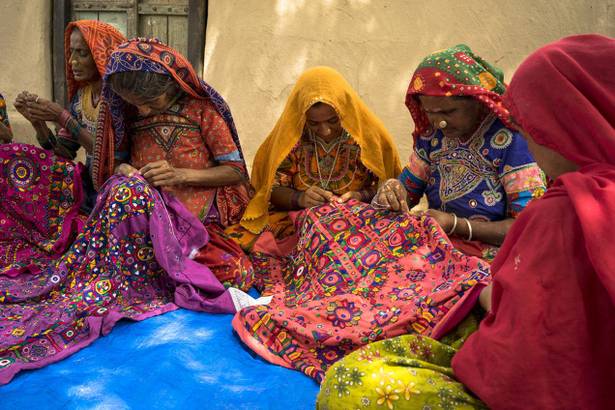
Traditional Attire and Adornments: Siddi attire typically includes colorful garments and jewelry. Women wear sarees, and men often don turbans. Traditional jewelry, like necklaces and bracelets, is a common adornment.
Cuisine and Diet: Siddi cuisine is a unique fusion of African and Indian flavors. It includes dishes like sorpotel, a spicy pork curry, and various seafood dishes. Millet-based bread is a staple.
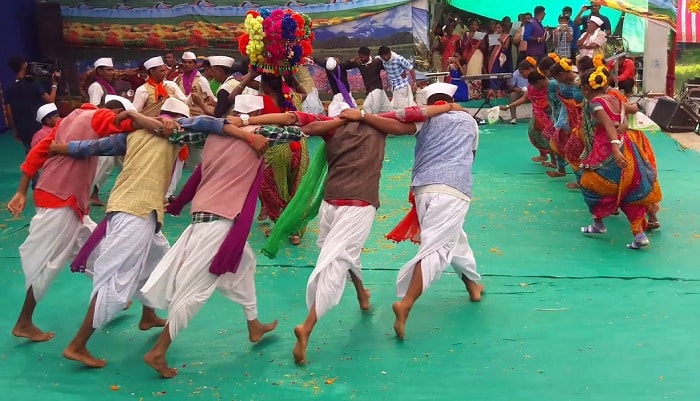
Music, Dance, and Festivals: Music and dance play a central role in Siddi culture. They have distinctive forms of music and dance influenced by African rhythms. The Goma dance is a famous Siddi dance form. They also celebrate festivals like Urs and Janmashtami.
Societal Importance: Siddis have made significant contributions to India's cultural heritage. They have been recognized for their unique traditions and have played vital roles in various cultural and artistic endeavors. However, they have faced challenges related to social integration and economic opportunities. Efforts have been made to promote their cultural preservation and inclusion in Indian society.