Loading...

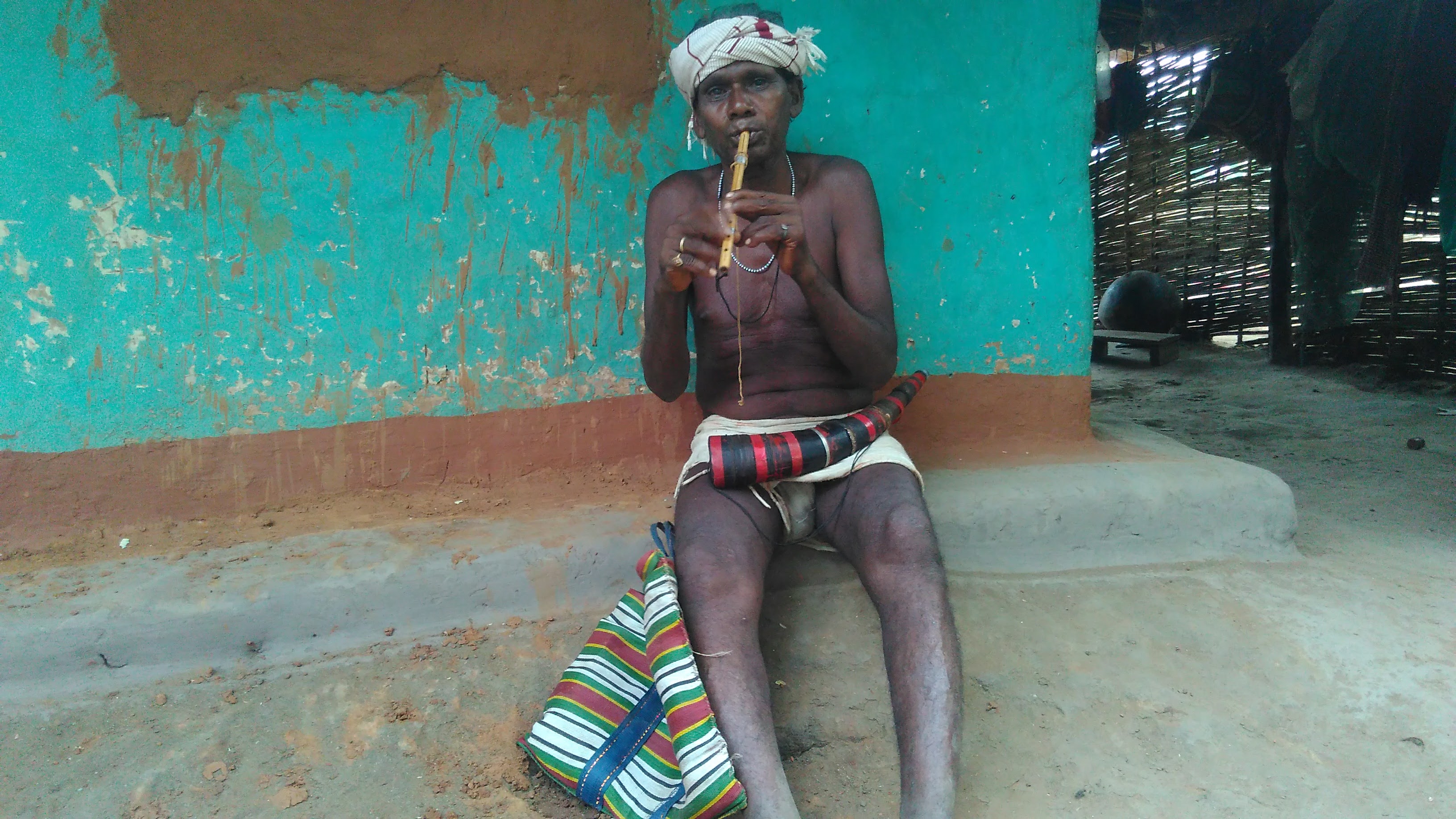
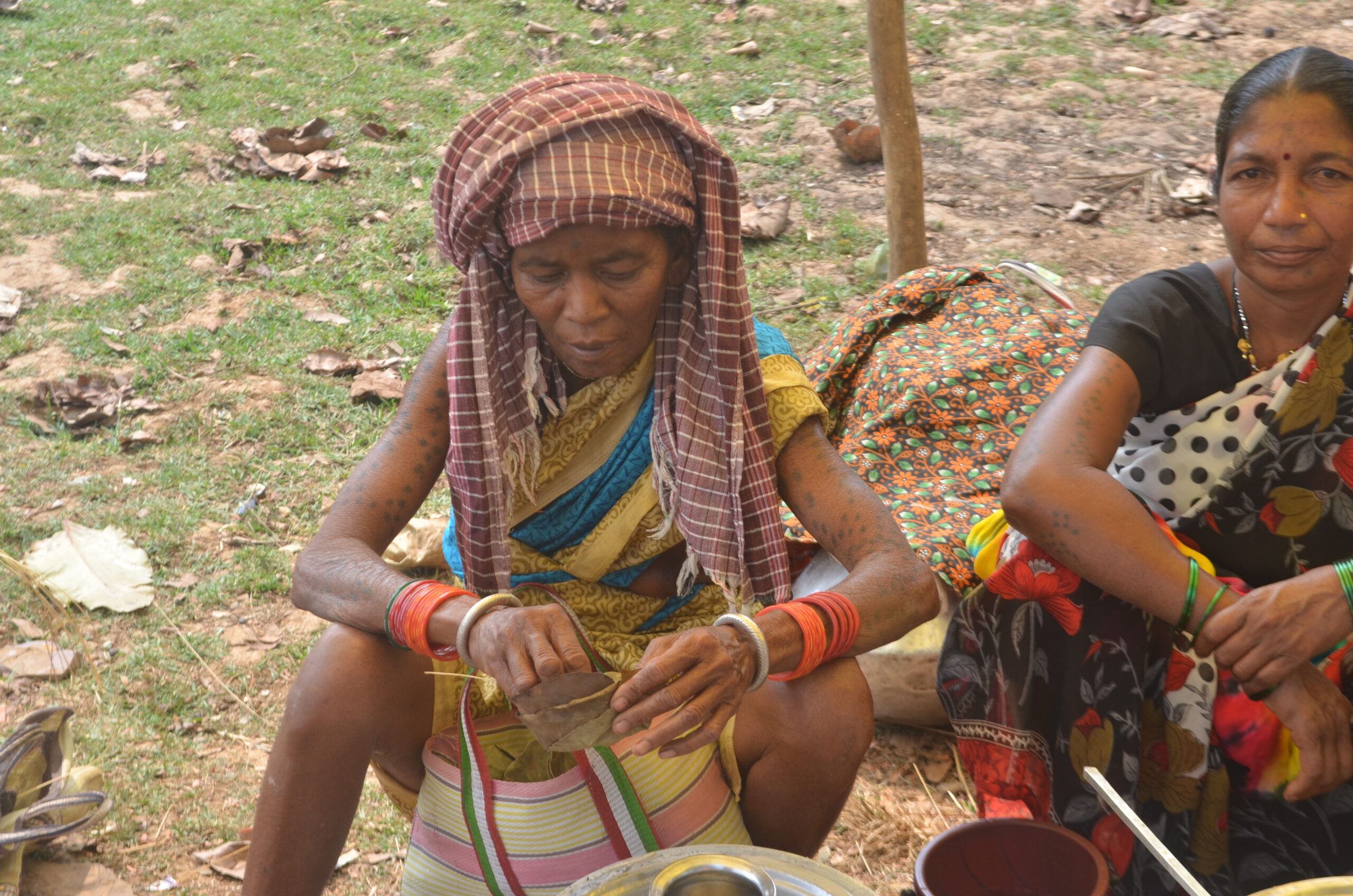
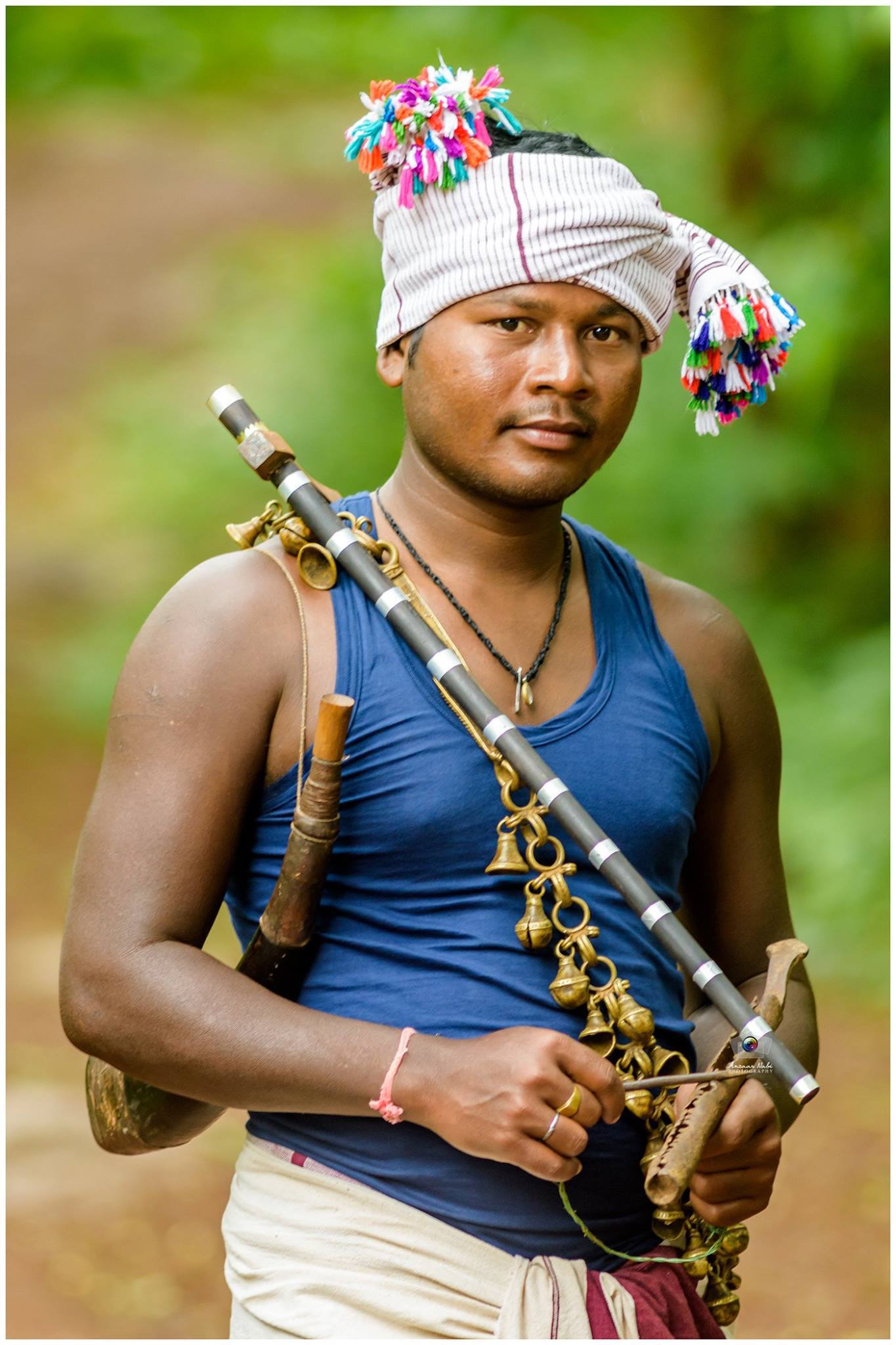
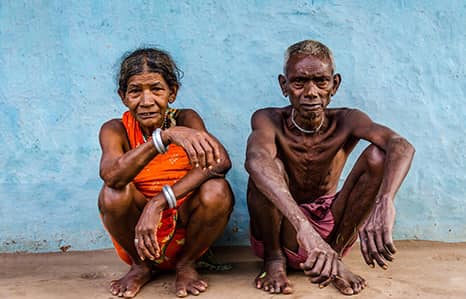
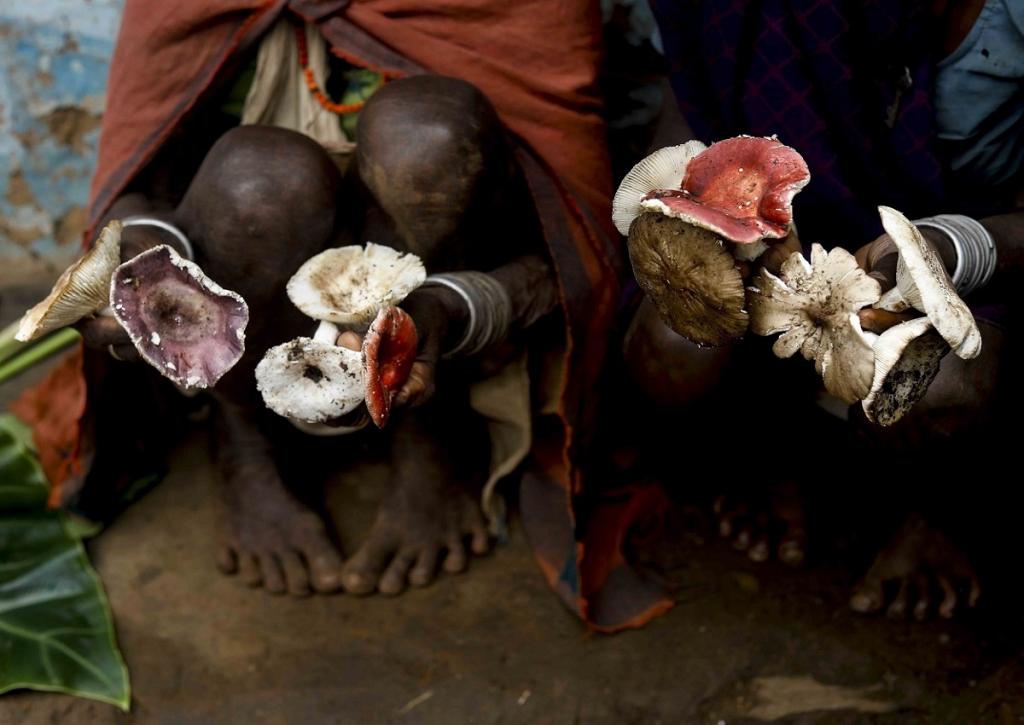
Chhattisgarh is home to a diverse array of tribal communities, each with its own distinct culture, traditions, and way of life. Here are some prominent tribes found in Chhattisgarh:

Know more
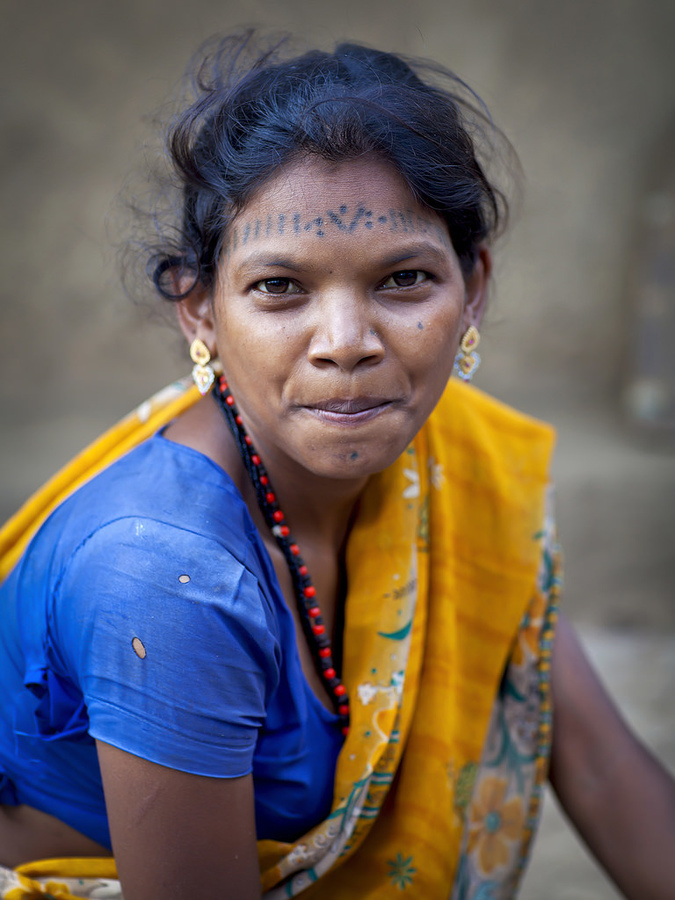
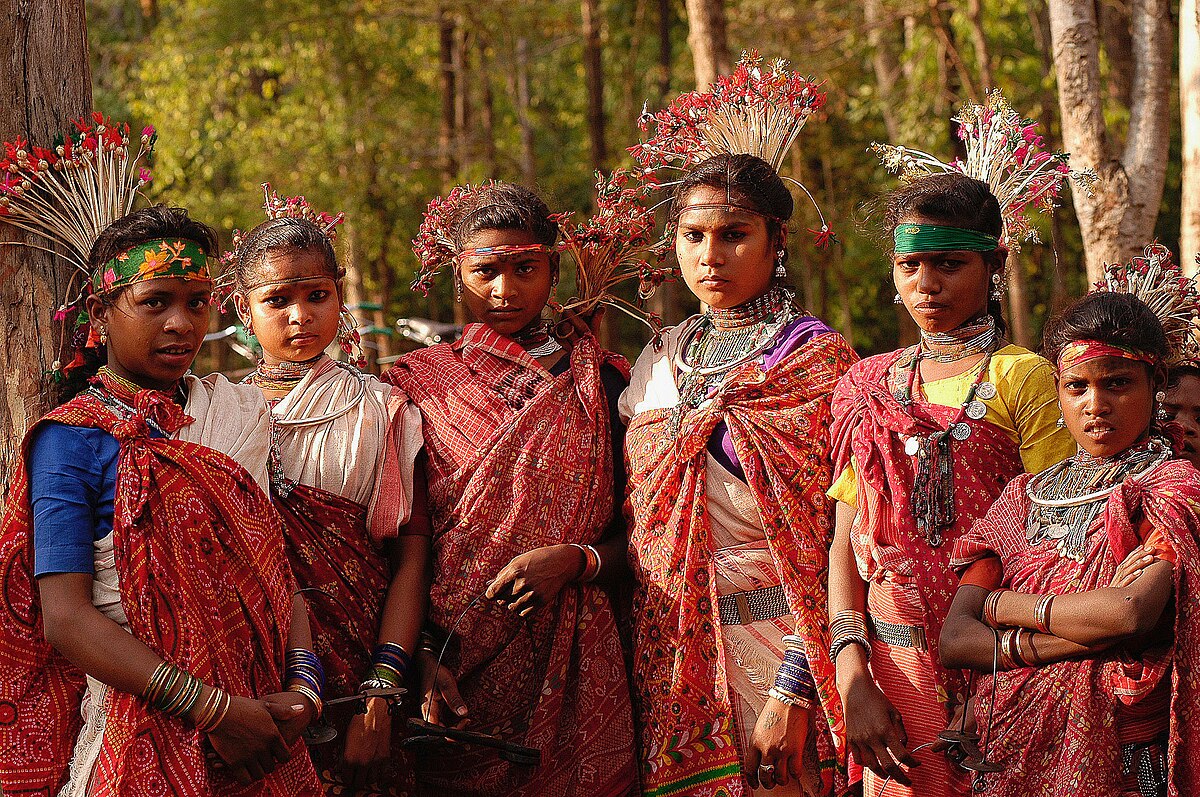
Baiga Tribe: A Brief Overview

Origin and Existence:

The Baiga tribe is indigenous to central India, primarily inhabiting regions in Madhya Pradesh and Chhattisgarh. They have a long history, deeply rooted in the forests and hills of these areas.


Traditional Culture:

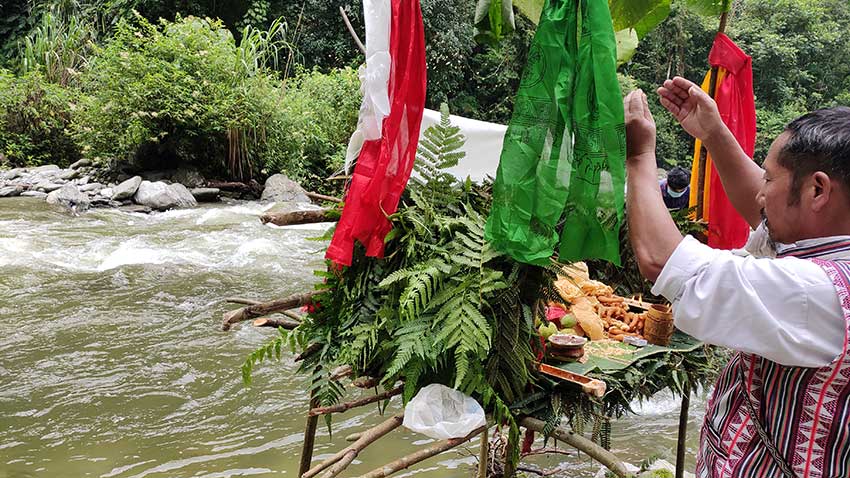
Baiga culture is rich in folklore, myths, and traditional rituals. They have a close connection to nature and believe in the spirits residing in the forests.


Traditional Art and Craft:

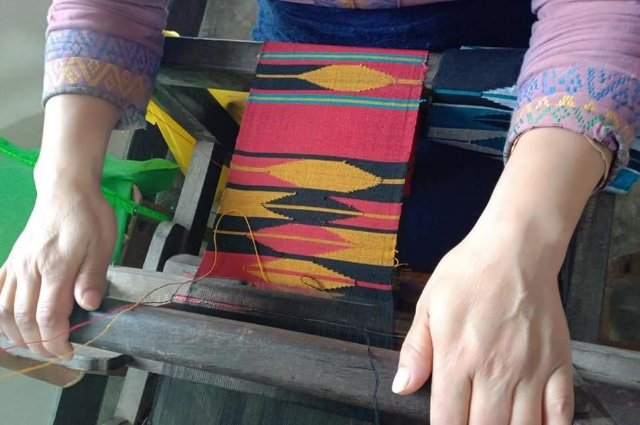
Skilled in traditional arts like tattooing, wall paintings, and creating wooden artifacts. Baiga art often reflects their close relationship with the natural environment.


Lifestyle and Occupation:

Historically, the Baiga tribe practiced shifting cultivation, hunting, and gathering. Agriculture is a significant part of their lifestyle, and they also collect forest produce.


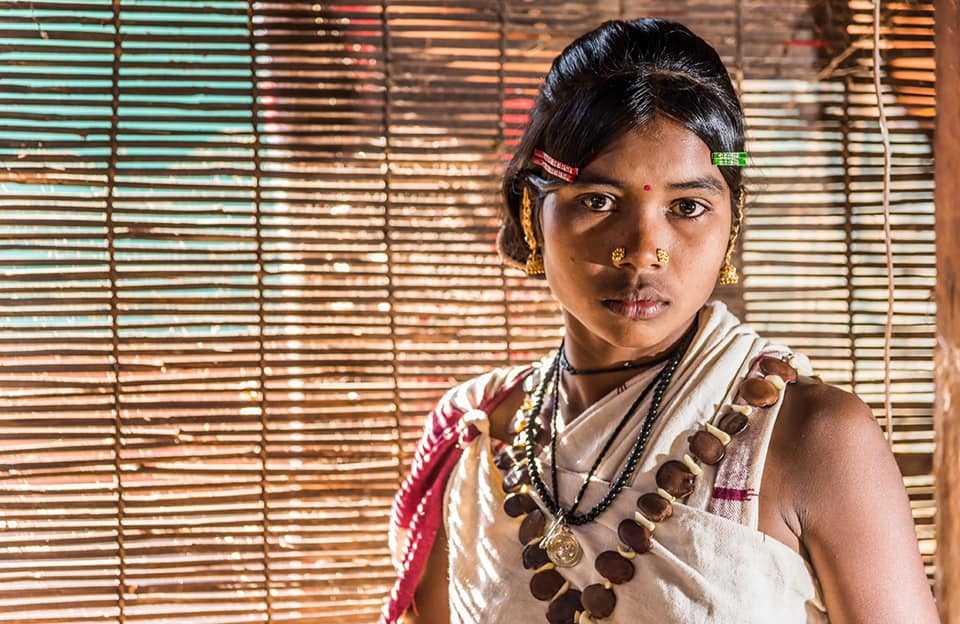
Traditional Attire and Adornments:

Traditional attire includes simple clothing made from natural fibers. Adornments may include jewelry made from beads, shells, and metal, often worn during rituals.


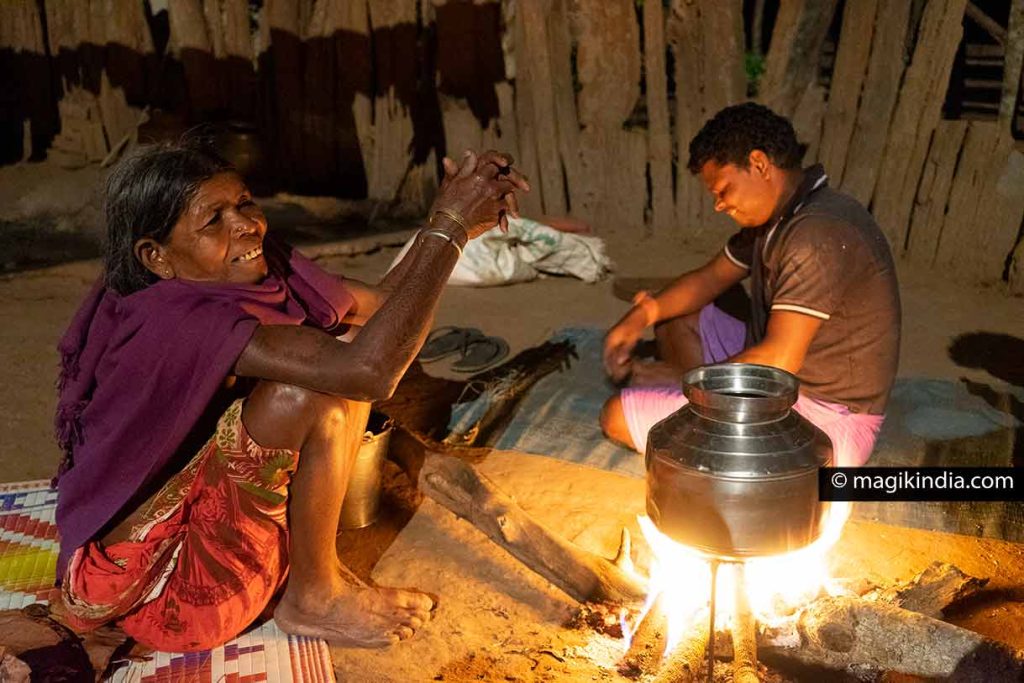
Cuisine and Diet:

Baiga cuisine is based on locally available resources, including forest produce and cultivated crops. Their diet includes grains, vegetables, and non-vegetarian items like fish and game.


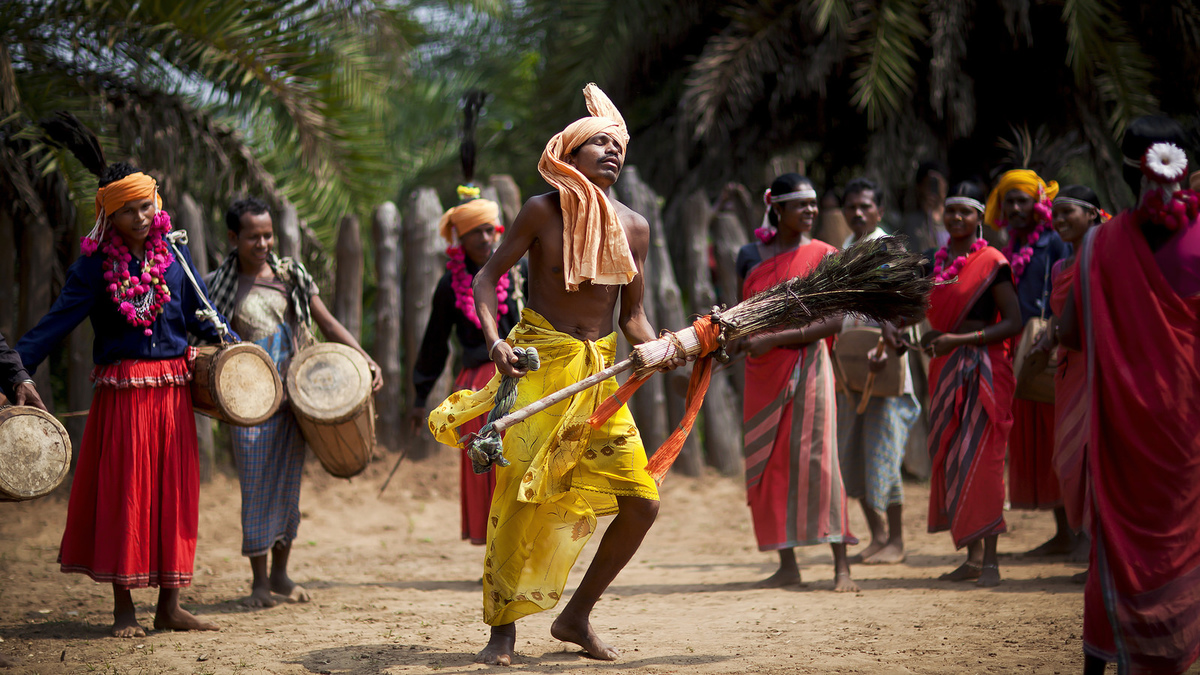
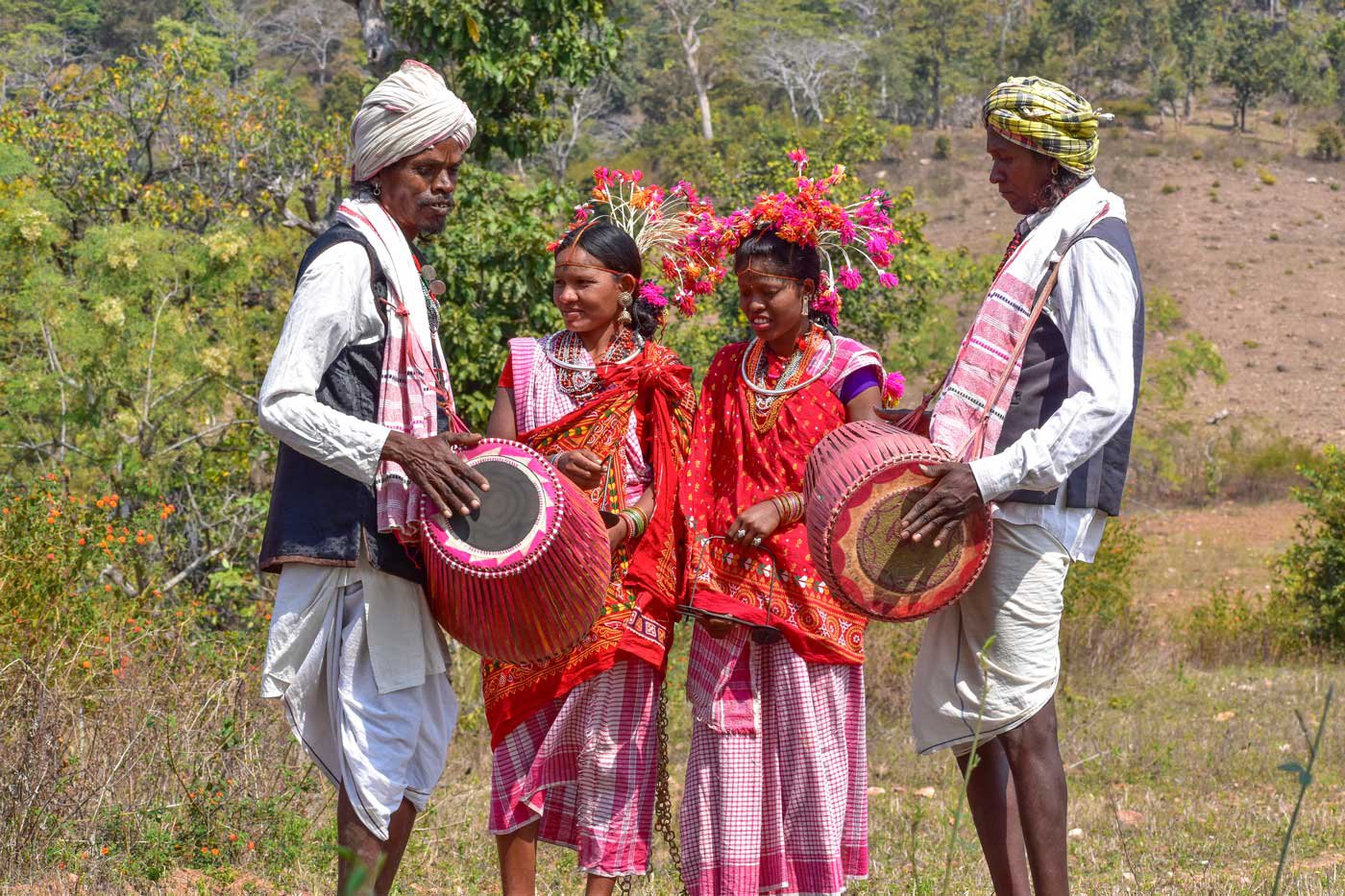
Music, Dance, and Festivals:

Baiga music and dance are integral to their celebrations and rituals. Festivals involve traditional dance forms, music with instruments like drums, and rituals to appease forest spirits.


Societal Importance:

The Baiga tribe plays a crucial role in preserving the biodiversity of the central Indian forests. Their traditional knowledge of the forest ecosystem is valuable for conservation efforts. Their unique cultural practices contribute to the rich tapestry of India's tribal heritage.
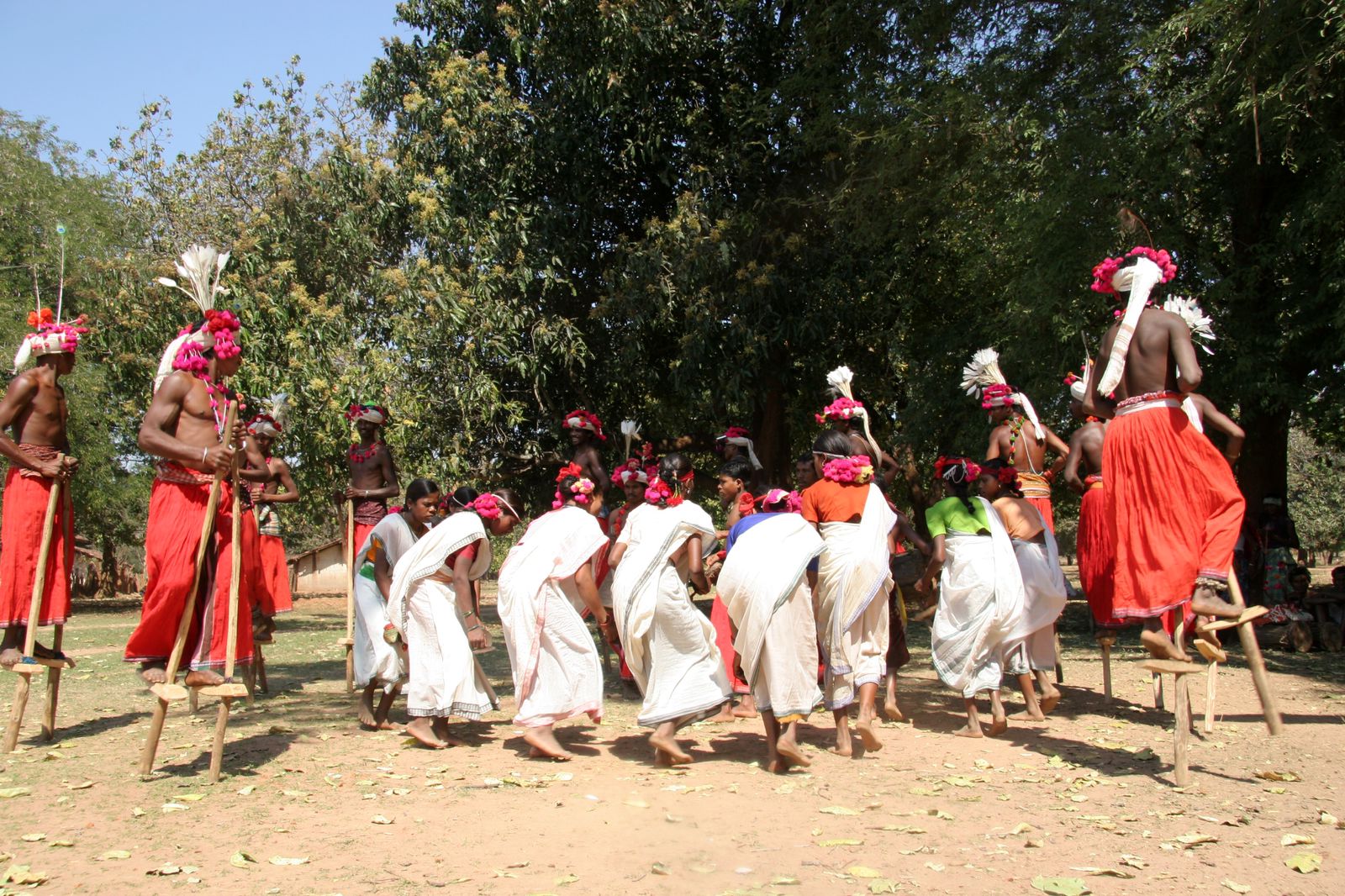
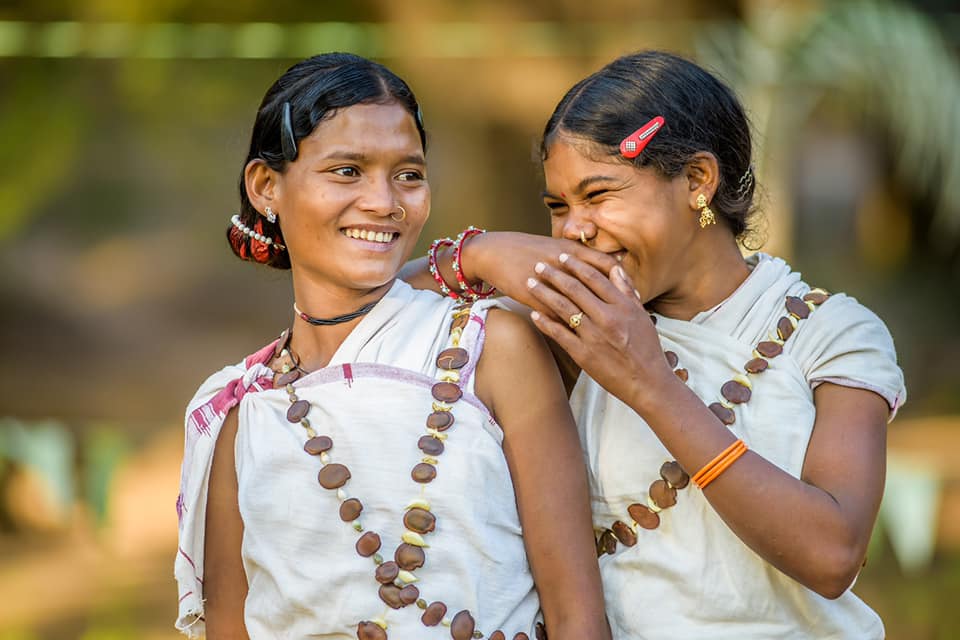
Muriya Tribe: A Brief Overview

Origin and Existence:
  • The Muriya tribe primarily resides in the Bastar region of Chhattisgarh, India.
  • They have a longstanding presence in the central Indian tribal landscape.

Traditional Culture:
  • Muriya culture is deeply rooted in traditional beliefs, rituals, and oral traditions.
  • They have a strong connection to nature and consider it an integral part of their identity.

Traditional Art and Craft:
  • Skilled in various traditional crafts, including bamboo and woodwork.
  • Muriya artisans create items such as baskets, mats, and wooden artifacts reflecting their cultural motifs.

Lifestyle and Occupation:
  • Historically engaged in shifting cultivation, hunting, and gathering.
  • Agriculture is a key aspect of their lifestyle, with a focus on cultivating crops like rice, millets, and pulses.

Traditional Attire and Adornments:
  • Traditional attire includes simple clothing made from locally available materials.
  • Adornments may include bead necklaces, earrings, and other jewelry crafted from natural elements.

Cuisine and Diet:
  • The Muriya tribe's cuisine revolves around locally grown crops and forest produce.
  • Their diet includes grains, vegetables, and non-vegetarian items such as fish and game.

Music, Dance, and Festivals:
  • Music and dance are integral to Muriya festivals and celebrations.
  • Traditional dance forms accompanied by drum beats and other instruments are a significant part of their cultural expression.

Societal Importance:
  • The Muriya tribe contributes to the cultural diversity of Chhattisgarh and central India.
  • Their traditional knowledge of agriculture and forest ecosystems is valuable for sustainable practices.

Dhurwa Tribe: A Brief Overview

Origin and Existence:
  • The Dhurwa tribe is primarily found in the Bastar district of Chhattisgarh, India.
  • They have a historical presence in the central Indian tribal communities.

Traditional Culture:
  • The Dhurwa tribe maintains a rich cultural heritage with a strong emphasis on traditional beliefs and rituals.
  • Their cultural practices often revolve around nature, community, and spiritual connections.

Traditional Art and Craft:
  • Skilled in traditional crafts, including terracotta pottery and wooden crafts.
  • Dhurwa artisans create items like figurines, masks, and utility items reflecting their cultural identity.

Lifestyle and Occupation:
  • Historically engaged in agriculture, practicing shifting cultivation.
  • The Dhurwa tribe has a close association with the forest, relying on it for various resources.
  • They are known for their agricultural practices, cultivating crops like rice, millets, and pulses.

Traditional Attire and Adornments:
  • Traditional clothing is typically simple, made from locally available materials.
  • Adornments may include jewelry crafted from beads, shells, and metals, often worn during cultural events.

Cuisine and Diet:
  • The Dhurwa tribe's cuisine is based on locally grown crops and forest produce.
  • Their diet includes grains, vegetables, and non-vegetarian items such as fish and game.

Music, Dance, and Festivals:
  • Music and dance play a vital role in Dhurwa festivals and celebrations.
  • Traditional dance forms, often accompanied by drum beats and other instruments, are significant expressions of their cultural identity.

Societal Importance:
  • The Dhurwa tribe contributes to the cultural diversity of Chhattisgarh.
  • Their traditional knowledge of agriculture and craft is valuable for local sustainability.
  • The preservation of Dhurwa cultural practices is essential for maintaining the region's unique heritage.