Loading...

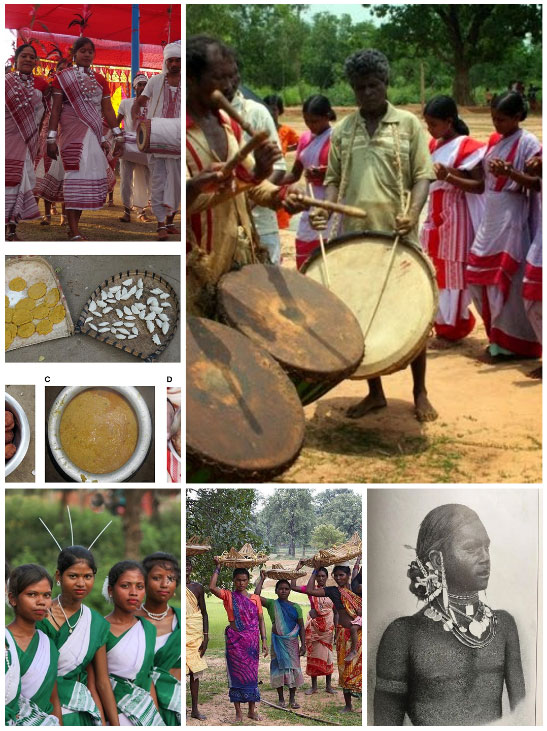
Bihar, a state in eastern India, is home to several indigenous tribes and communities. While the state's tribal population is not as prominent as in some other Indian states, there are still several significant tribes and communities in Bihar. Here are a few prominent ones:

Know more
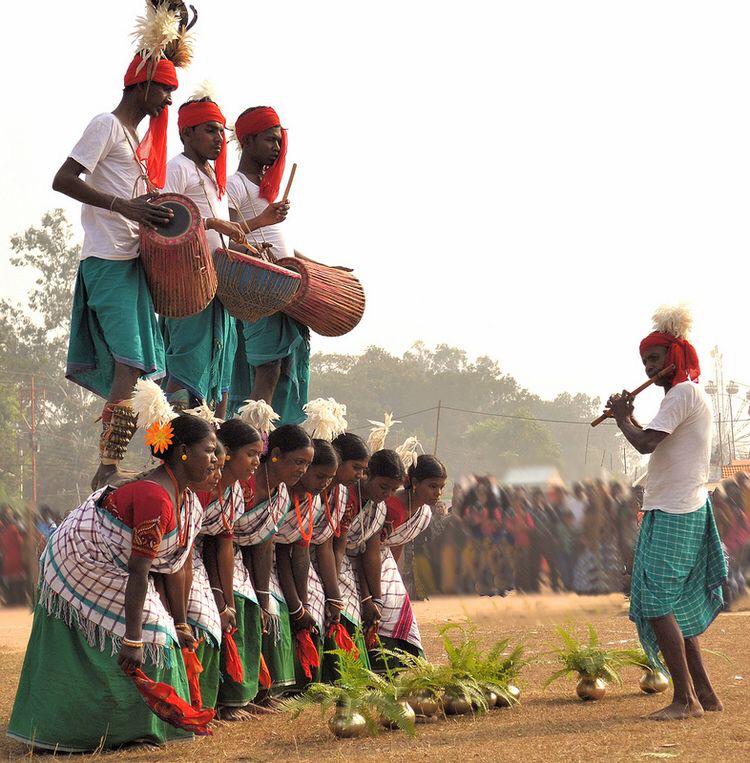
Santhal: The Santhal tribe is one of the largest and most widely recognized tribal communities in Bihar. They have their cultural traditions, language, and a strong connection to agriculture and nature.
Munda: The Munda tribe is primarily found in the southern regions of Bihar, especially in the Chotanagpur Plateau. They have their language and traditional practices, including their distinct dance forms and music.
Oraon (Kurukh): The Oraon tribe, also known as Kurukh, is found in parts of Bihar, particularly in the Chotanagpur Plateau. They have a rich cultural heritage and are known for their agricultural practices.
Kharia: The Kharia tribe is concentrated in the forested regions of Bihar. They practice shifting cultivation and have their customs and traditions closely linked to the forest and nature.
Gond: The Gond tribe has a presence in Bihar, mainly in the southeastern districts. They have a rich cultural tapestry, known for their tribal art, music, and oral traditions.
Kharwar: The Kharwar community is found in parts of Bihar, with a cultural heritage closely tied to agriculture, nature worship, and their traditional practices.
Birhor: The Birhor tribe, though a small community, is known for its unique cultural practices, often revolving around a nomadic way of life.
Bihar Tribe

These are some of the prominent tribes and communities in Bihar, each with its distinct cultural practices, languages, and contributions to the state's cultural diversity and heritage.
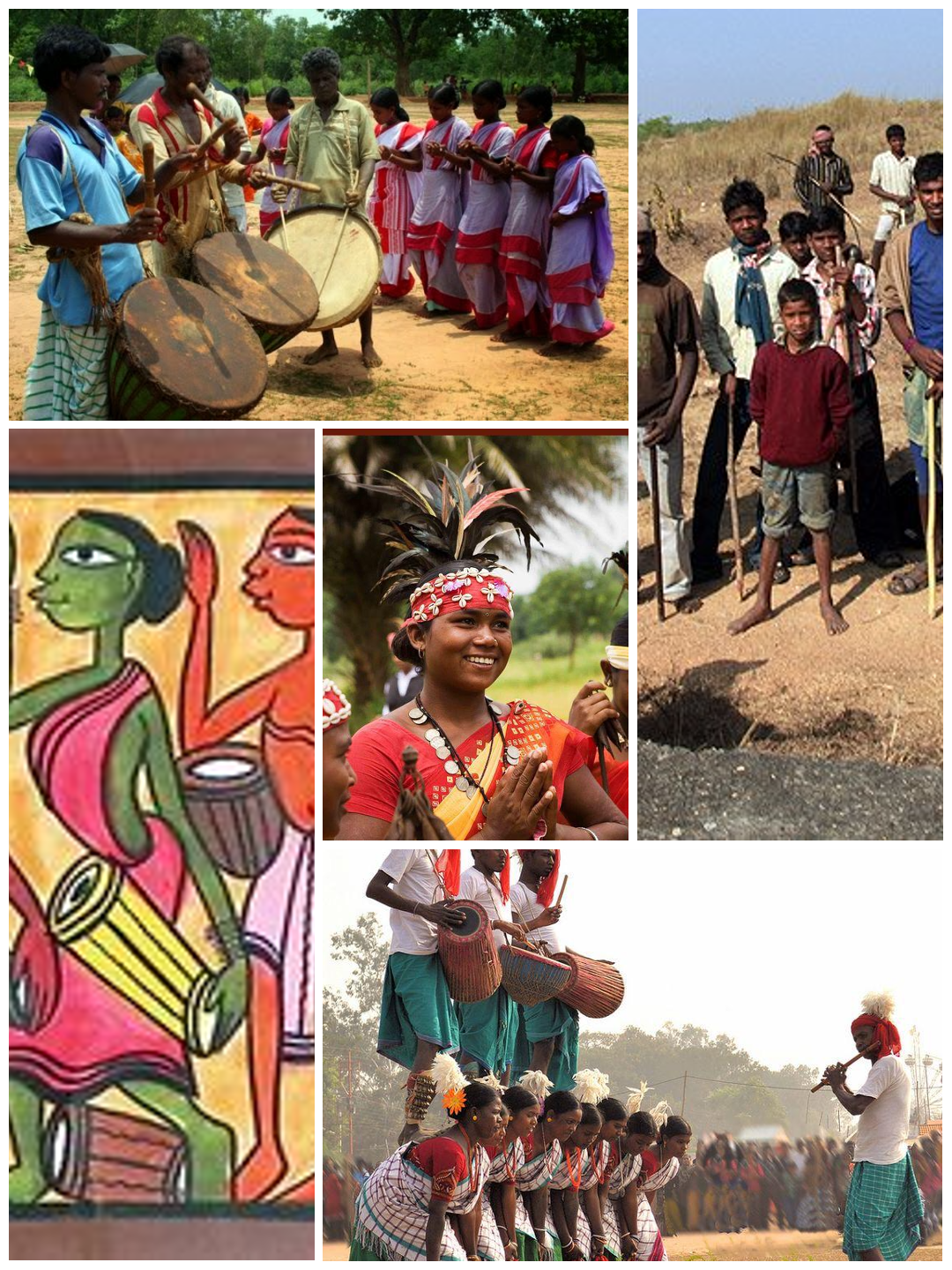
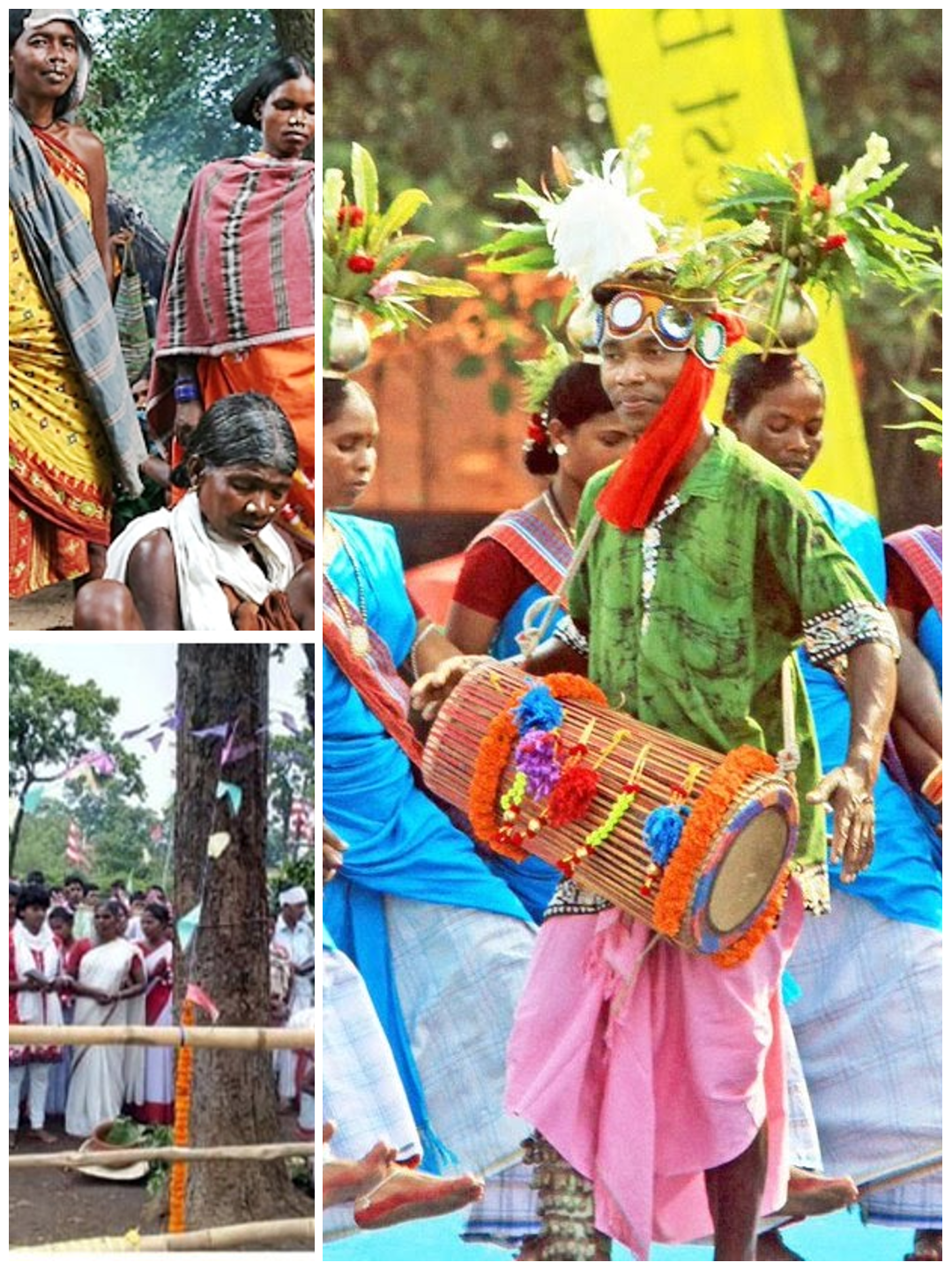
Santhal Tribe

Origin and Existence: Originated in the northeastern regions of India, primarily in the states of Jharkhand, West Bengal, Bihar, and Odisha. One of the largest indigenous communities in India.
Traditional Culture: Rich oral traditions and folklore, passed down through generations. Deep connection to nature, with a belief in spirits and deities.
Art and Craft: Known for "Sohrai" and "Chaitra" paintings, depicting daily life, rituals, and nature. Skilled in traditional crafts like pottery, weaving, and woodcraft.
Lifestyle and Occupation: Traditionally agricultural, practicing shifting cultivation. Also engaged in hunting, fishing, and gathering from the forest.
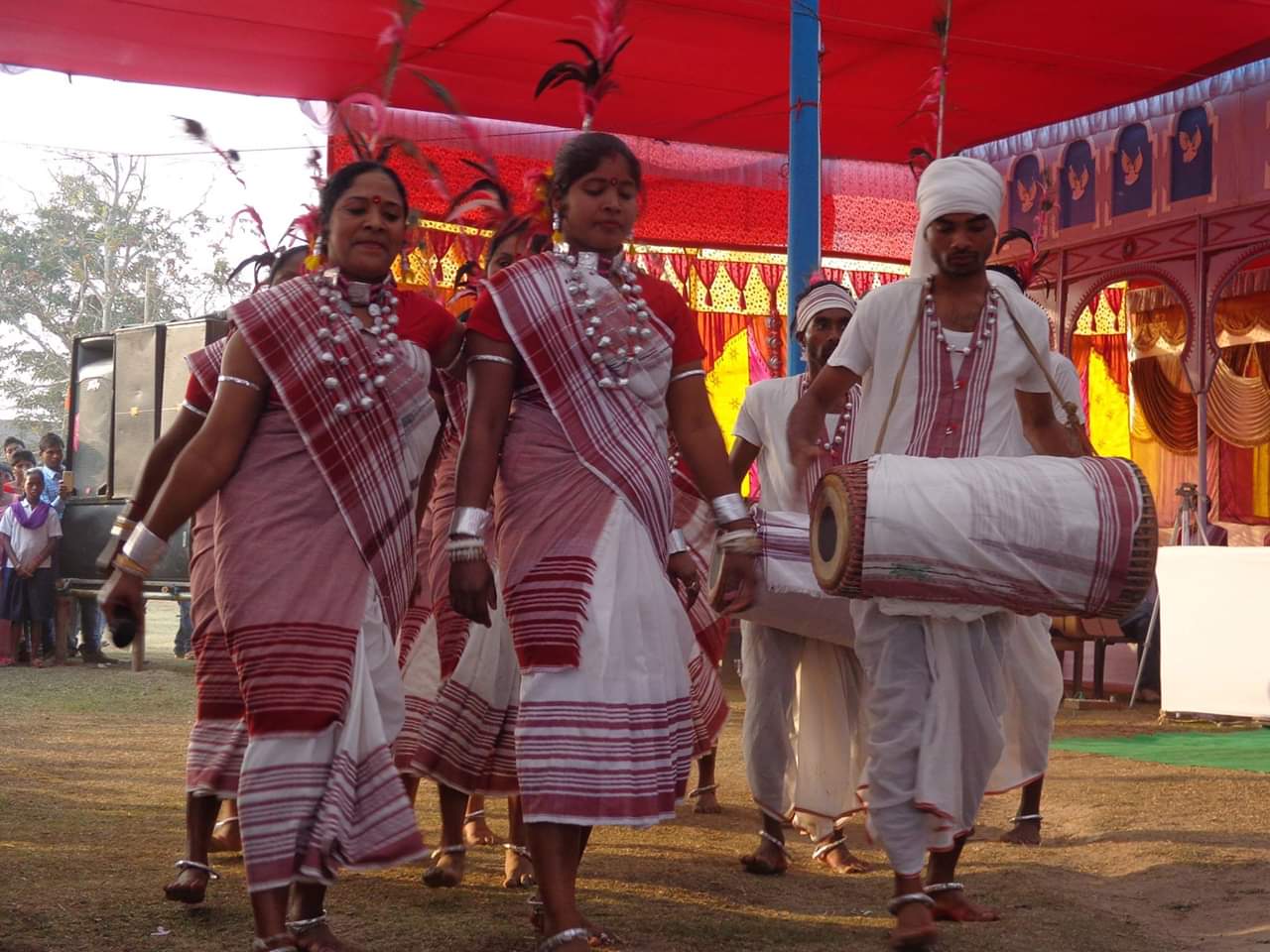
Attire and Adornments: Traditional attire includes simple garments made from handwoven fabric. Adornments comprise jewelry made from beads, shells, and metals.
Cuisine and Diet: Reliance on locally grown crops like rice, millets, and pulses. Diet includes non-vegetarian items like fish and game.
Music, Dance, and Festivals: "Baha" dance is a traditional dance form, often performed during festivals. Celebrate festivals like "Baha Parab" with music, dance, and rituals.
Societal Importance: Play a significant role in preserving indigenous culture and traditions. Highlight the cultural diversity of India and contribute to its social fabric.
Santhal Tribe, Bihar

Munda Tribe

Origin and Existence: Originated in the northeastern and central regions of India, particularly in states like Jharkhand, Chhattisgarh, Odisha, and West Bengal. One of the prominent Adivasi communities with a rich history.
Traditional Culture: Strong oral traditions with folklore, myths, and rituals. Deep-rooted connection to nature, spirits, and ancestral practices.
Art and Craft: Skilled in traditional crafts like basket weaving, pottery, and metalwork. Expressive art forms often depict daily life, nature, and religious beliefs.
Lifestyle and Occupation: Historically agrarian, practicing shifting cultivation and forest-based livelihoods. Also engaged in hunting, fishing, and gathering.
Traditional Attire and Adornments: Traditional attire includes garments made from handwoven fabrics. Adornments feature jewelry crafted from beads, shells, and metals.
Cuisine and Diet: Diet comprises locally grown crops such as rice, millets, and pulses. Non-vegetarian items like fish, game, and locally available protein sources are common.
Munda Tribe, Bihar

Oraon (Kurukh) Tribe

Origin and Existence: The Oraon (Kurukh) tribe has its roots in the Chota Nagpur Plateau, primarily residing in states like Jharkhand, Chhattisgarh, Odisha, and West Bengal. They hold a significant historical presence as one of the indigenous tribes in India.
Traditional Culture: Rich oral traditions form the backbone of their cultural heritage, featuring myths, folk tales, and rituals. Deeply spiritual, their cultural practices often revolve around nature and ancestral spirits.
Art and Craft: The Oraon (Kurukh) community is skilled in various traditional crafts, including basket weaving, pottery, and wood carving. Their artistic expressions often depict themes inspired by nature, mythology, and daily life.
Lifestyle and Occupation: Historically agrarian, the tribe practiced shifting cultivation and relied on forest-based livelihoods. Engaged in traditional occupations such as hunting, fishing, and gathering to sustain their way of life.
Traditional Attire and Adornments: Traditional attire includes garments made from handwoven fabrics adorned with tribal motifs. Adornments feature jewelry crafted from beads, shells, and metals, reflecting their cultural identity.
Cuisine and Diet: The Oraon (Kurukh) diet is centered around locally grown crops like rice, millets, and vegetables. Non-vegetarian items such as fish, game, and other protein sources are integral to their culinary practices.
Oran Tribe, Bihar