Loading...

Assam, a state in northeastern India, is home to a diverse range of tribes, each with its own unique culture, traditions, and languages. Here are some prominent tribes of Assam:

Know more

These are just a few examples, and there are many more tribes in Assam, each contributing to the rich cultural diversity of the state. Each tribe has its own language, customs, and traditional practices.
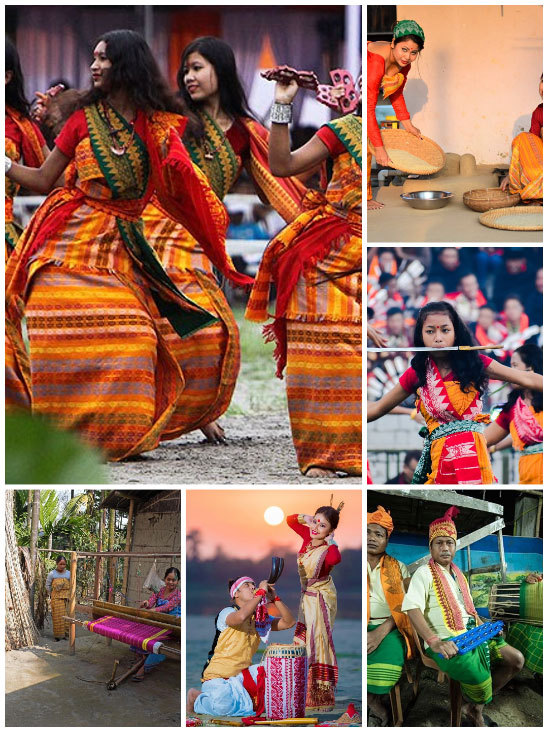
Bodo:
  • One of the largest tribal communities in Assam.
  • Primarily found in the Bodoland Territorial Region (BTR).
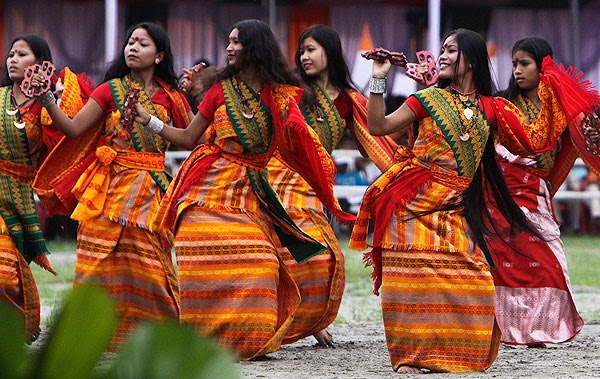
  • Known for their traditional dance forms and festivals.
Karbi:
  • Inhabit the Karbi Anglong district and parts of the nearby areas.
  • Known for their traditional handloom and bamboo crafts.
  • Engage in agriculture and animal husbandry.
Mishing (Mirrings):
  • Primarily found in the riverine areas of Brahmaputra.
  • Known for their traditional bamboo and cane crafts.
  • Practice agriculture, fishing, and weaving.
Dimasa:
  • Inhabit the Dima Hasao district.
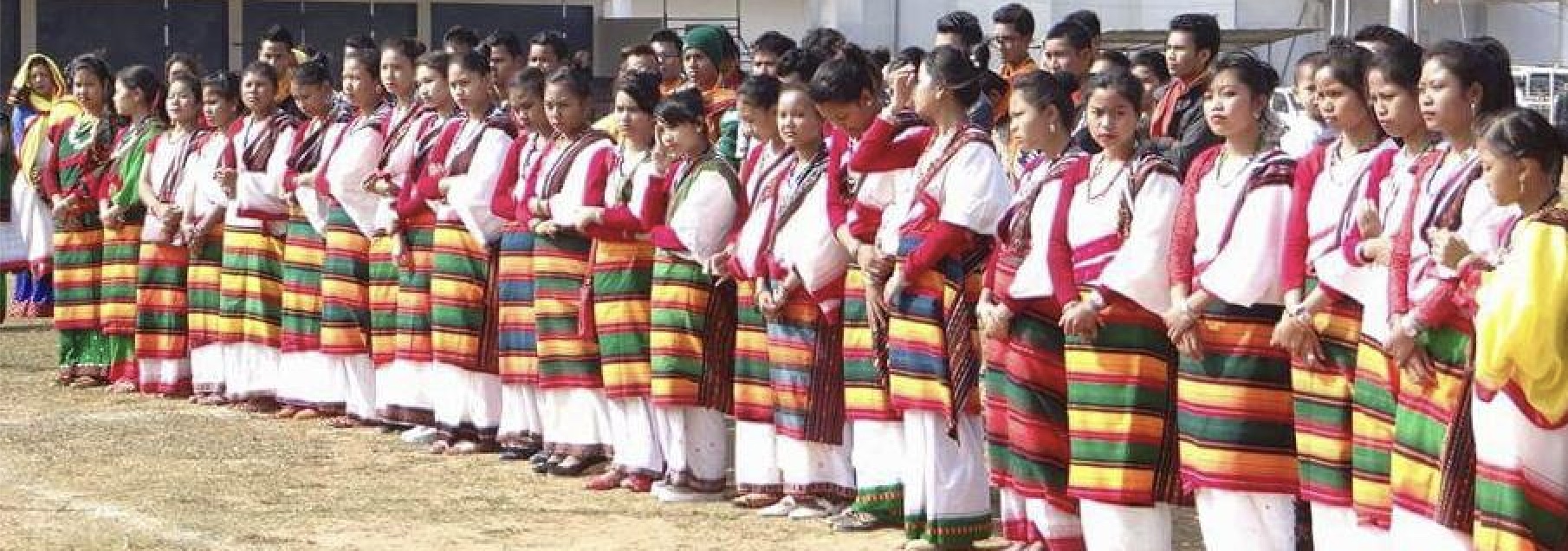
  • Known for their colorful traditional attire and unique customs.
  • Engage in agriculture, handloom weaving, and pottery.
Tiwa (Lalung):
  • Inhabit the Morigaon and Nagaon districts.
  • Known for their distinctive dance forms and traditional music.
  • Practice agriculture and sericulture.
Kachari:
  • Primarily found in the Cachar district.
  • Historically associated with the Dimasa Kingdom.
  • Engage in agriculture and handicrafts.
Rengma Naga:
  • Inhabit the Karbi Anglong district.
  • Originally from Nagaland, some Rengma Nagas have settled in Assam.
  • Known for their vibrant festivals and traditional Naga shawls.
Chutia:
  • Inhabit the Sivasagar district.
  • Known for their historical contributions to Assamese literature and culture.
  • Engage in agriculture and handloom weaving.
Deori:
  • Inhabit various districts of Assam.
  • Primarily agrarian, practicing agriculture and animal husbandry.
  • Known for their traditional dances and festivals.
Sonowal Kachari:
  • Inhabit the Charaideo district.
  • Engage in agriculture and handloom weaving.
  • Known for their traditional music and dance forms.
Assam Tribe

Bodo Tribe

Origin and Existence: The Bodo tribe is one of the major indigenous communities in Assam. They have a rich history, and their presence in the region dates back centuries.
Traditional Culture: Bodo culture is deeply rooted in traditions, customs, and folklore. The tribe follows the Bathouism religion, worshiping Bathou, the supreme god.
Art and Craft: Skilled in traditional crafts such as handloom weaving, pottery, and bamboo and cane crafts. Bodo art often features vibrant colors and intricate designs, reflecting their cultural identity.
Lifestyle and Occupation: Historically, the Bodo people were engaged in agriculture, practicing both wet and terrace cultivation. Fishing and weaving are integral aspects of their traditional lifestyle. In contemporary times, many Bodo individuals are engaged in diverse occupations, including agriculture, government services, and business.
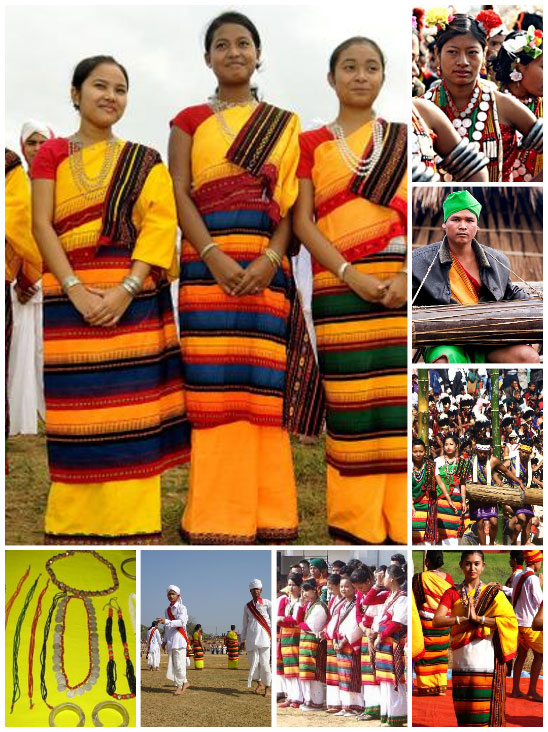
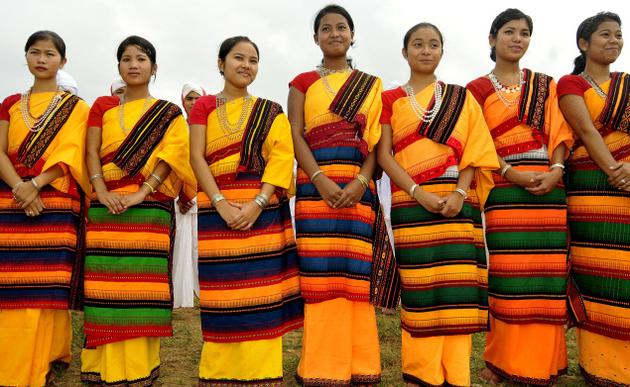
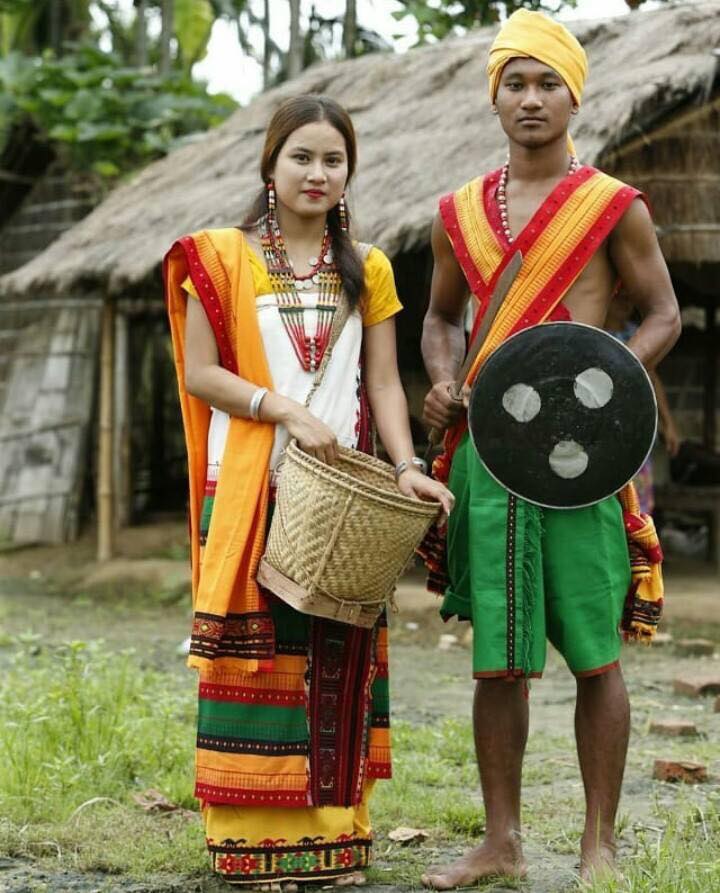
Attire and Adornments: Traditional Bodo attire includes garments made from handwoven fabrics with colorful patterns. Adornments may include jewelry made from beads, shells, and metals, reflecting the cultural identity of the wearer.
Cuisine and Diet: The Bodo diet includes a variety of locally grown crops such as rice, maize, and millet. Non-vegetarian items like meat and fish are significant components of their diet. Traditional beverages like rice beer are consumed during festivals and social gatherings.
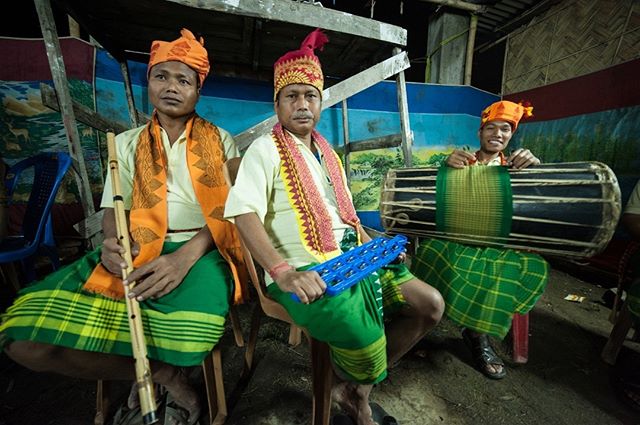
Music, Dance, and Festivals: Traditional Bodo music involves the use of instruments like the Khawang (a traditional horn) and Kham (drum). Bodo dance forms are vibrant and expressive, often accompanied by traditional music. The Bodo community celebrates festivals like Bwisagu with cultural performances, dances, and community feasts.
Societal Importance: The Bodo tribe holds societal importance as one of the major ethnic groups in Assam. They have made significant contributions to the cultural diversity of the region. The preservation of Bodo culture is crucial for maintaining the unique identity of the tribe and fostering harmony in the multicultural landscape of Assam.
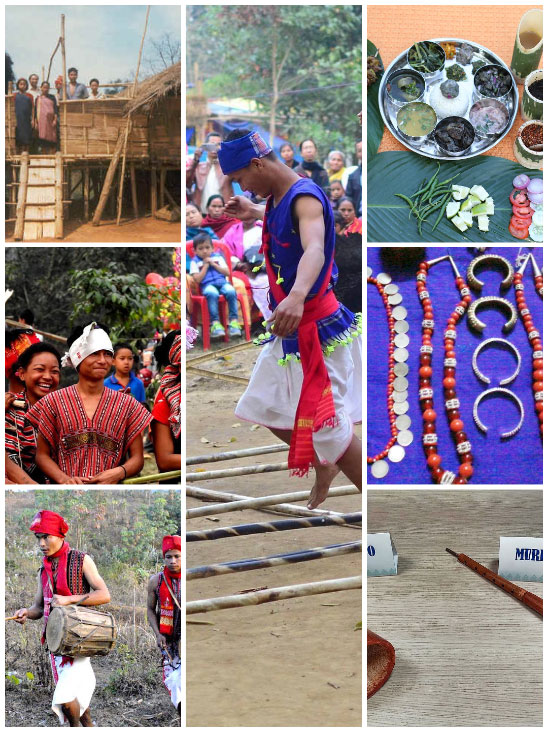
Bodo Tribe, Assam

Karbi Tribe

Origin and Existence: The Karbi tribe is an indigenous community primarily found in the Karbi Anglong district of Assam. They have a rich history and are believed to have inhabited the hills and plains of the region for centuries.
Traditional Culture: Karbi culture is characterized by its unique customs, rituals, and belief systems. The tribe follows traditional animistic practices, worshiping various deities and spirits.
Art and Craft: Skilled in traditional crafts such as bamboo and cane work, pottery, and handloom weaving. Karbi artisans create intricate designs on bamboo and cane products, reflecting their cultural aesthetics.
Lifestyle and Occupation: Historically, the Karbi people were engaged in slash-and-burn agriculture (jhum cultivation) and hunting. Today, agriculture remains a significant occupation, and many Karbi individuals also work in tea plantations and government services.
Traditional Attire and Adornments: Traditional Karbi attire includes garments made from handwoven fabrics with unique patterns. Adornments may include traditional jewelry made from beads, shells, and metals, worn during cultural events and festivals.
Cuisine and Diet: The Karbi diet includes staple crops like rice, millet, and maize. Non-vegetarian items like pork, chicken, and fish are essential components of their diet. Traditional Karbi cuisine features various dishes prepared with locally available ingredients.
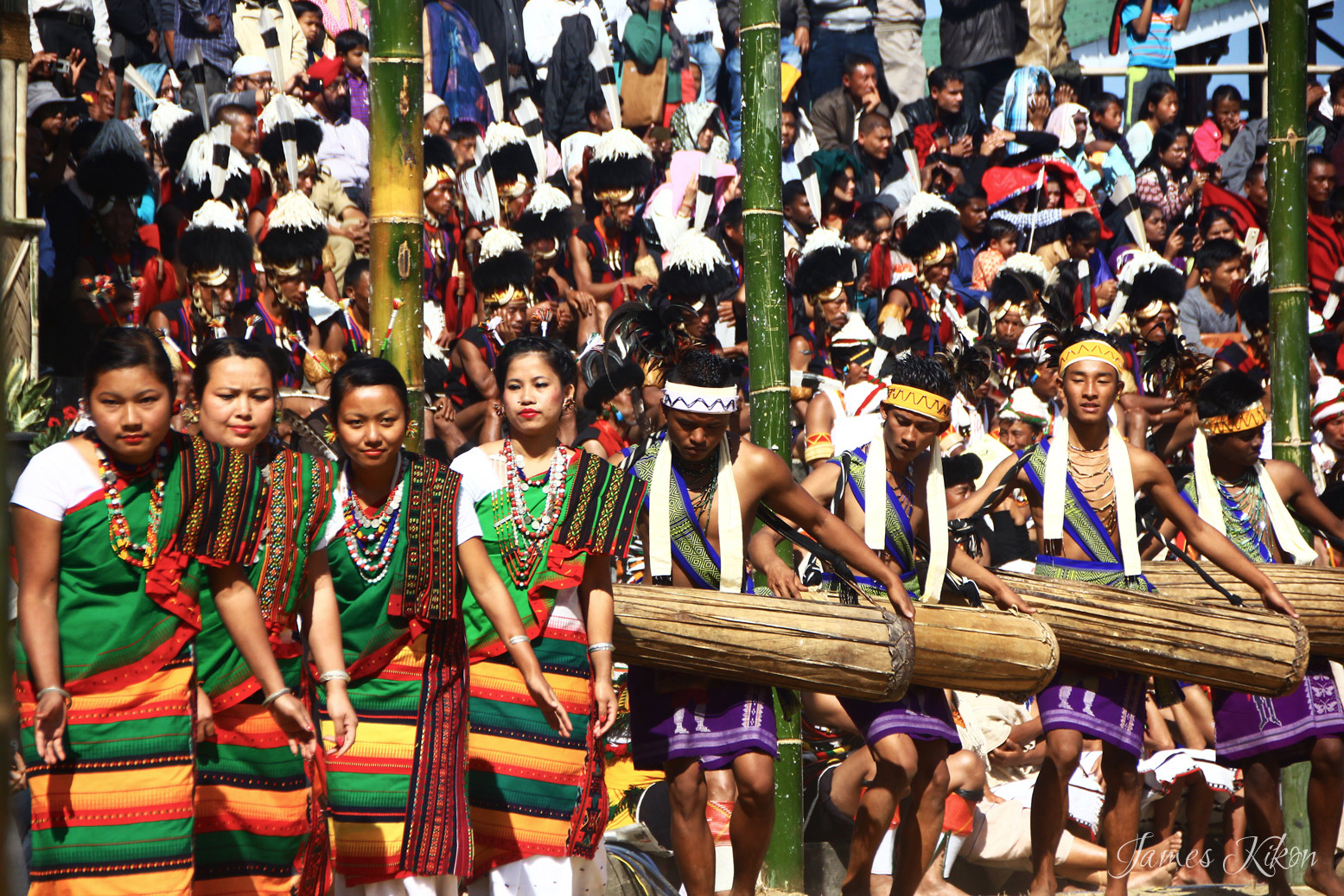
Music, Dance, and Festivals: Traditional Karbi music involves the use of instruments like drums and flutes. Karbi dance forms are lively and often performed during festivals, weddings, and cultural events. The tribe celebrates festivals like Rongker, involving traditional rituals, dances, and community gatherings.
Societal Importance: The Karbi tribe holds societal importance as one of the significant ethnic groups in Assam. They contribute to the cultural diversity of the region and have a distinct identity in the broader context of Assamese culture. The preservation of Karbi culture is crucial for maintaining the unique heritage of the tribe and fostering mutual understanding and respect in the multicultural landscape of Assam.
Karbi Tribe, Assam

Dimasa Tribe

Origin and Existence: The Dimasa tribe is an indigenous community primarily found in Assam, particularly in the Dima Hasao district. They have a rich history, and their presence in the region dates back centuries.
Traditional Culture: Dimasa culture is deeply rooted in traditions, myths, and folklore. The tribe follows the traditional Dimasa religion, worshiping various deities and spirits.
Art and Craft: Skilled in traditional crafts such as bamboo and cane work, handloom weaving, and pottery. Dimasa artisans often create intricate designs on bamboo and cane products, showcasing their craftsmanship.
Lifestyle and Occupation: Historically, the Dimasa people were engaged in agriculture, practicing shifting cultivation (jhum cultivation). Hunting and fishing were integral to their traditional lifestyle. In contemporary times, many Dimasa individuals are engaged in agriculture, tea cultivation, and government services.
Traditional Attire and Adornments: Traditional Dimasa attire includes garments made from handwoven fabrics with distinctive patterns. Adornments may include jewelry made from beads, shells, and metals, worn during cultural events and festivals.
Cuisine and Diet: The Dimasa diet includes staple crops like rice, millet, and maize. Non-vegetarian items like pork, chicken, and fish are significant components of their diet. Traditional Dimasa cuisine features various dishes prepared with locally available ingredients.
Music, Dance, and Festivals: Traditional Dimasa music involves the use of instruments like drums, flutes, and string instruments. Dimasa dance forms are lively and often performed during festivals, weddings, and cultural events. The tribe celebrates festivals like Bushu Dimasa, involving traditional rituals, dances, and community gatherings.
Societal Importance: The Dimasa tribe holds societal importance as one of the indigenous communities in Assam. They contribute to the cultural diversity of the region and have a distinct identity in the broader context of Assamese culture. The preservation of Dimasa culture is crucial for maintaining the unique heritage of the tribe and fostering mutual understanding and respect in the multicultural landscape of Assam.
Dimasa Tribe, Assam