Loading...

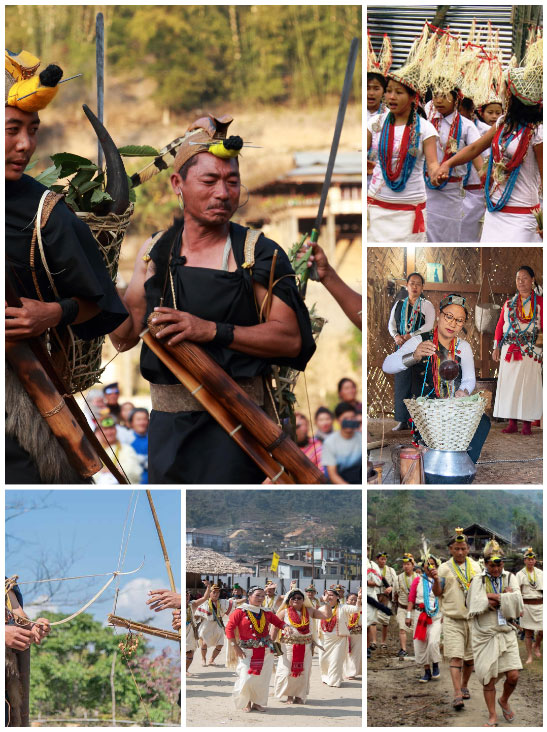
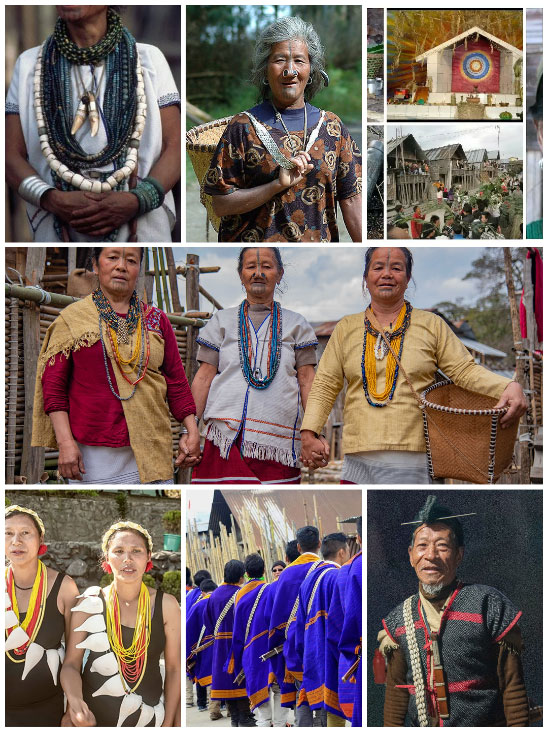
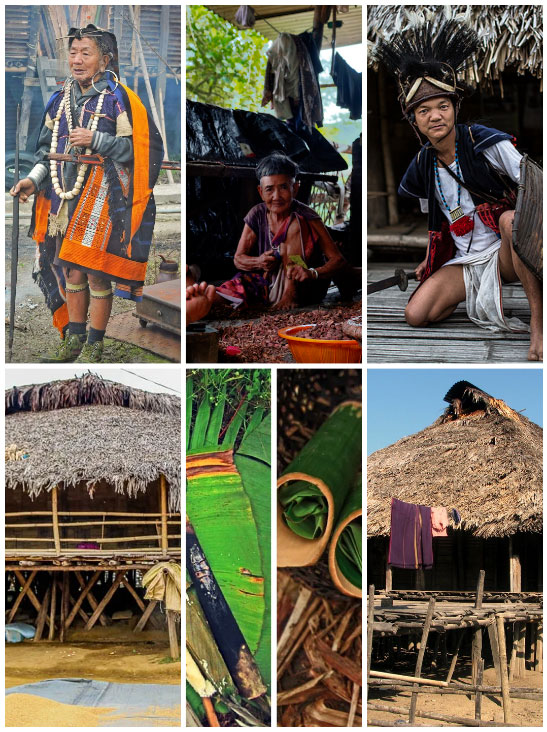
Arunachal Pradesh, a northeastern state in India, is home to a diverse range of indigenous tribes, each with its own unique culture, traditions, and languages. Here are some of the prominent tribes of Arunachal Pradesh:

Know more
Lepcha:
  • The Lepcha tribe is one of the indigenous communities of Sikkim, known for their rich cultural heritage.
  • They have their own language, customs, and traditional practices.
Nyishi:
  • One of the largest tribes in Arunachal Pradesh.
  • Primarily found in the central and western parts of the state.
  • Engage in agriculture and are known for their vibrant festivals.
Adi:
  • Diverse sub-tribes collectively known as Adi, including the Galo, Minyong, Padam, and others.
  • Inhabit different regions, practicing agriculture, fishing, and hunting.
  • Known for their traditional dances and festivals.
Apatani:
  • Primarily found in the Ziro Valley.
  • Known for their unique practice of paddy-cum-fish cultivation.
  • Traditional festivals like Myoko and Dree are celebrated with cultural fervor.
Galos:
  • A sub-tribe of the Adi community.
  • Inhabit the West Siang and Upper Subansiri districts.
  • Engage in agriculture and are known for their colorful dances and rituals.
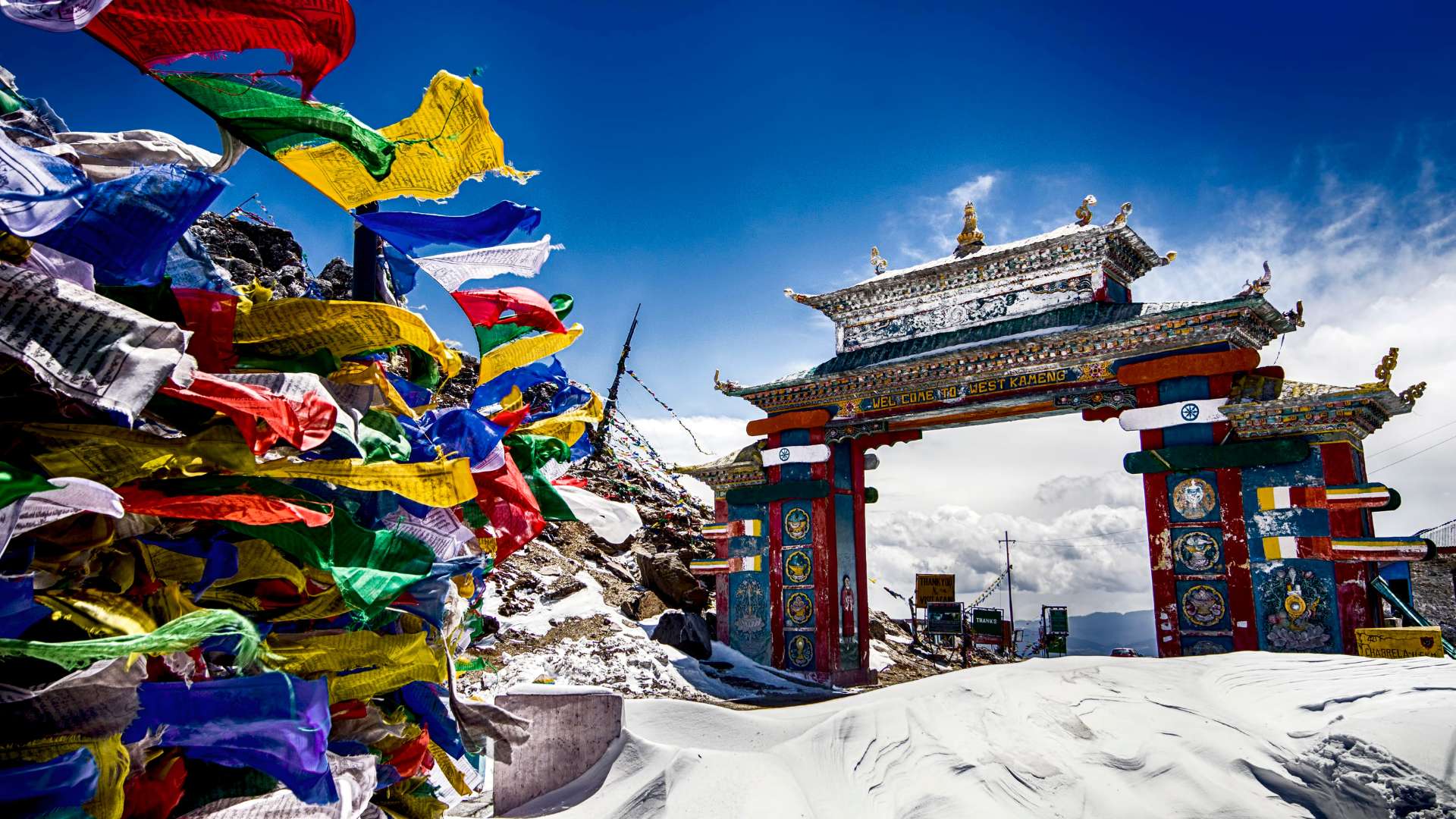
Monpa:
  • Inhabit the Tawang and West Kameng districts.
  • Influenced by Tibetan Buddhism.
  • Known for their traditional art, including thangka painting and mask dances.
Khampti:
  • Primarily found in the Lohit district.
  • Influenced by Theravada Buddhism.
  • Engage in agriculture and are known for their traditional bamboo and cane crafts.
Singpho:
  • Inhabit the Changlang district.
  • Traditionally associated with tea cultivation.
  • Known for their vibrant festivals and traditional music.
Nishi:
  • A subgroup of the Nyishi tribe.
  • Primarily found in the Papum Pare district.
  • Engage in agriculture and celebrate festivals like Nyokum.
Mishing:
  • Primarily found in the Lower Dibang Valley and Lohit districts.
  • Traditionally practice agriculture, fishing, and weaving.
  • Known for their colorful festivals and distinctive dance forms.
Sherdukpen:
  • Inhabit the West Kameng district.
  • Influenced by Tibetan Buddhism.
  • Known for their traditional dance forms and rituals.
Arunchal Pradesh Tribe

These are just a few examples, and there are many more tribes in Arunachal Pradesh, each contributing to the cultural diversity and richness of the state. Each tribe has its own language, customs, and traditional practices.

Nyishi Tribe

Origin and Existence: The Nyishi tribe is one of the major tribes in Arunachal Pradesh, primarily inhabiting the central and western regions of the state. They have a long and rich history, deeply rooted in the northeastern Himalayan region.
Traditional Culture: Nyishi culture is characterized by a deep connection to nature, with reverence for mountains, rivers, and forests. The tribe has a strong oral tradition, including myths, legends, and folk tales that are passed down through generations.
Art and Craft: Skilled in traditional crafts such as bamboo and cane work, wood carving, and handloom weaving. Nyishi art often reflects nature-inspired motifs and symbols, showcasing their artistic skills.
Lifestyle and Occupation: Traditionally, the Nyishi people were engaged in agriculture, practicing shifting cultivation (jhum cultivation). Hunting and fishing were also essential aspects of their traditional lifestyle. In contemporary times, some Nyishi individuals are involved in government services, education, and other professions.
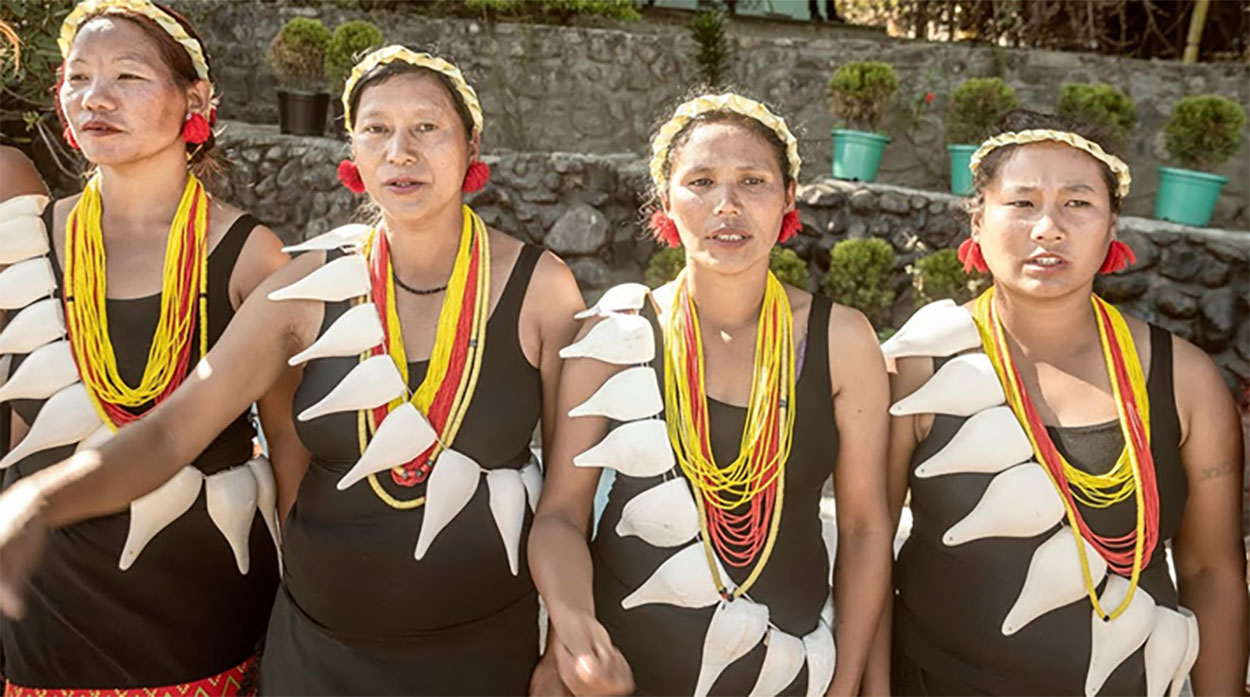
Attire and Adornments: Traditional Nyishi attire includes garments made from handwoven fabrics, adorned with colorful patterns. Adornments may include necklaces, earrings, and other jewelry made from beads, shells, and metals.
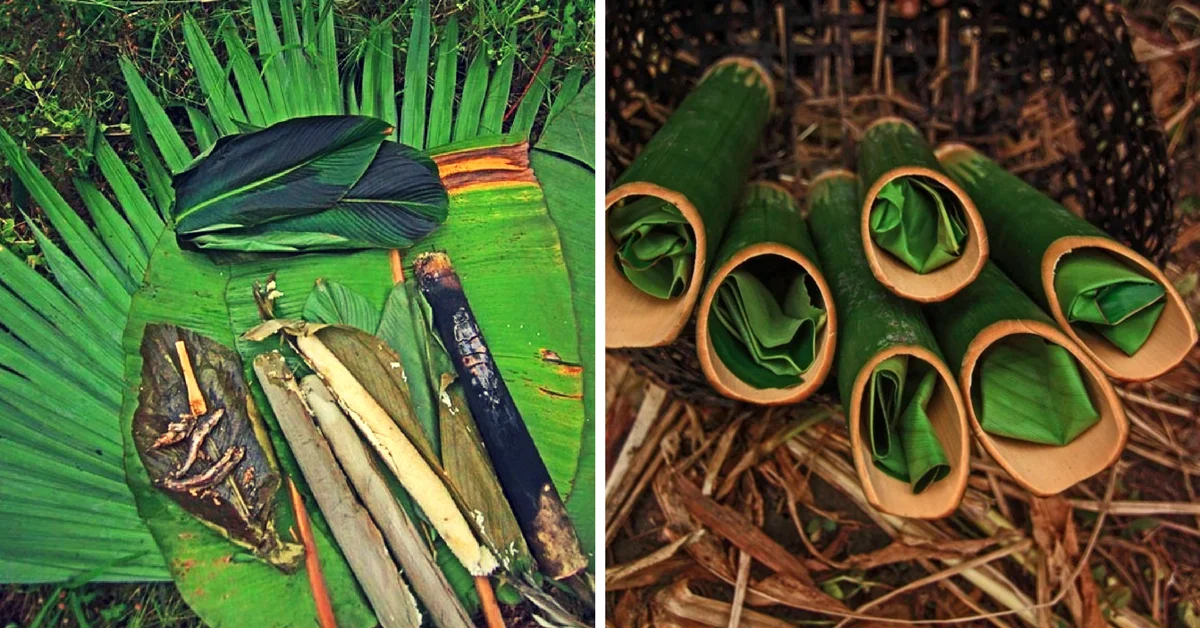
Cuisine and Diet: The Nyishi diet includes a variety of locally grown crops such as rice, millet, and maize. Non-vegetarian items like meat and fish are also part of their diet. Local brews made from fermented rice or millet are consumed during festivals.
Music, Dance, and Festivals: Traditional Nyishi music involves the use of instruments like bamboo flutes and drums. Nyishi dance forms are vibrant and expressive, often performed during festivals and celebrations. Festivals like Nyokum are significant cultural events that involve traditional rituals, dances, and community feasts.
Societal Importance: The Nyishi tribe holds societal importance as one of the major ethnic groups in Arunachal Pradesh. They contribute significantly to the cultural diversity of the region and play a role in the state's social, economic, and political spheres. The preservation of Nyishi culture is crucial for maintaining the unique identity of the tribe and the broader tapestry of Arunachal Pradesh's indigenous communities.
Nyishi Tribe, Arunachal Pradesh

Apatani Tribe

Origin and Existence: The Apatani tribe is indigenous to the Ziro Valley in Arunachal Pradesh, India. They have a distinct cultural identity and are known for their unique agricultural practices.
Traditional Culture: Apatani culture is characterized by a blend of animism and elements of Donyi-Polo, the indigenous religion of the Tani people. The tribe has a rich oral tradition, with myths, legends, and rituals playing a significant role in their cultural practices.
Art and Craft: Skilled in traditional crafts, including bamboo and cane work, wood carving, and pottery. Apatani art often reflects intricate patterns and designs, with a focus on practical and aesthetic items.
Lifestyle and Occupation: Apatani traditionally practiced a distinctive form of wet rice cultivation, known as paddy-cum-fish culture. Agriculture, horticulture, and animal husbandry are integral to their lifestyle. Fishing and hunting were once significant, though the Apatani are known for their sustainable practices.
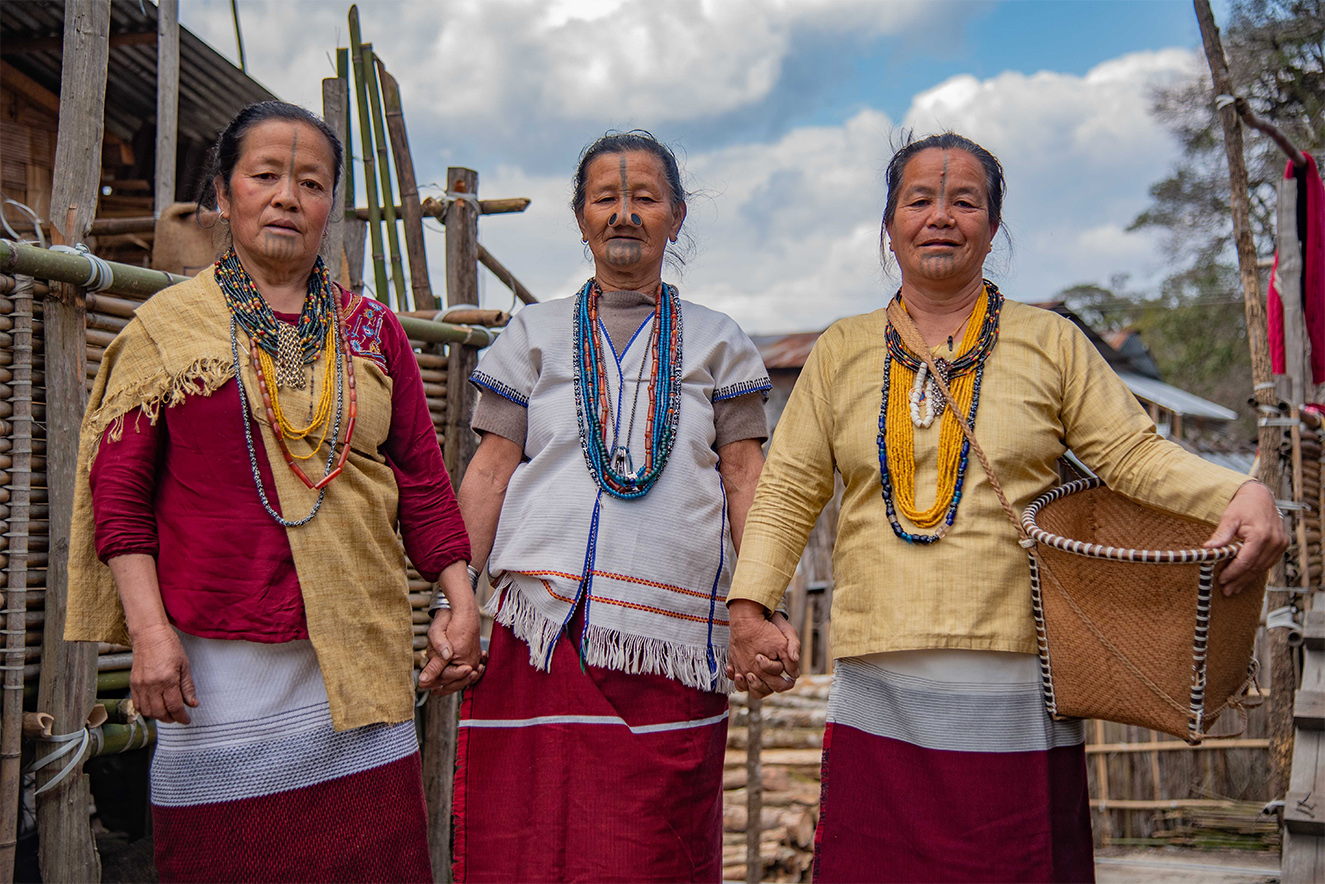
Traditional Attire and Adornments: Traditional Apatani attire includes handwoven garments with colorful patterns. Apatani women are known for their unique nose plugs and facial tattoos, once considered a mark of beauty and identity.
Cuisine and Diet: The Apatani diet includes a variety of locally grown crops such as rice, millet, and barley. Fish, meat, and other forest products contribute to their diet. Traditional alcoholic beverages are also part of their culinary practices.
Music, Dance, and Festivals: Traditional Apatani music involves the use of instruments like bamboo flutes and drums. Apatani dance forms are vibrant and are often performed during festivals and celebrations. Dree, the major agricultural festival, is celebrated with enthusiasm, featuring traditional rituals, dances, and feasts.
Societal Importance: The Apatani tribe holds cultural significance as one of the unique ethnic groups in Arunachal Pradesh. They contribute to the cultural diversity of the state and are recognized for their sustainable agricultural practices. The preservation of Apatani culture is essential for maintaining the distinct identity of the tribe and enriching the cultural tapestry of the region.
Apatani Tribe, Arunachal Pradesh

Adi Tribe

Origin and Existence: The Adi tribe is a prominent indigenous community in Arunachal Pradesh, inhabiting various regions, including the Siang and Upper Dibang Valley districts. They have a long and rich history, with roots deeply embedded in the northeastern Himalayan region.
Traditional Culture: Adi culture is marked by a strong connection to nature and the belief in spirits associated with natural elements. The tribe has a rich oral tradition, with myths, folklore, and traditional practices passed down through generations.
Art and Craft: Adi people are skilled in various traditional crafts, including cane and bamboo work, wood carving, and handloom weaving. Traditional Adi art often includes intricate patterns and designs inspired by nature and their cultural beliefs.
Lifestyle and Occupation: Traditionally, the Adi people were engaged in agriculture, practicing shifting cultivation (jhum cultivation). Fishing and hunting were integral to their lifestyle, given the presence of rivers and forests in their habitats. In contemporary times, some Adi individuals are involved in government services, education, and other professions.
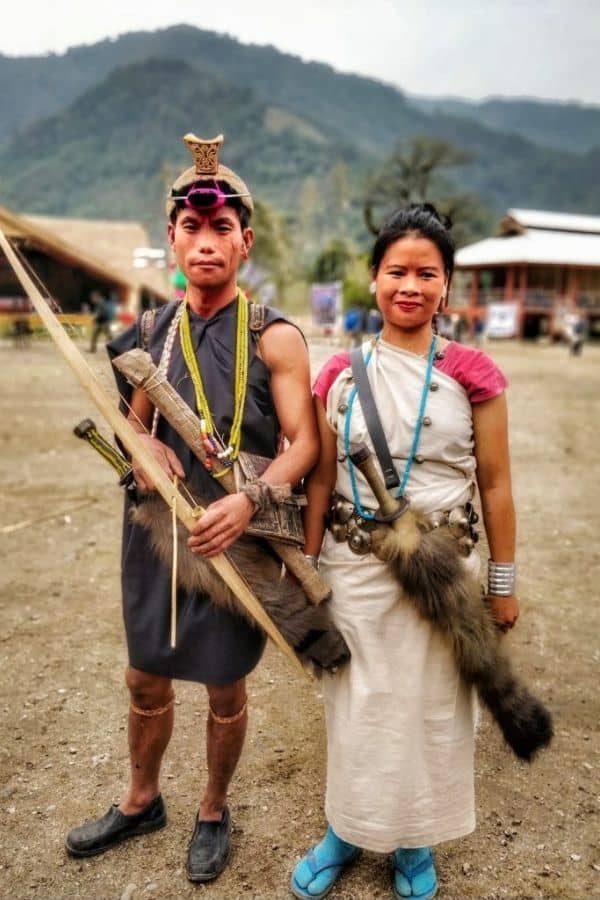
Traditional Attire and Adornments: Traditional Adi attire includes garments made from handwoven fabrics with distinct patterns. Adornments may include jewelry made from beads, shells, and metals, reflecting the tribe's cultural identity.
Cuisine and Diet: The Adi diet includes a variety of locally grown crops such as rice, millet, and maize. Non-vegetarian items like meat and fish are significant components of their diet. Traditional alcoholic beverages made from fermented rice or millet are consumed during festivals.
Music, Dance, and Festivals: Traditional Adi music involves the use of instruments like bamboo flutes, drums, and string instruments. Adi dance forms are lively and often performed during festivals and cultural events. Festivals like Solung and Etor are celebrated with traditional rituals, dances, and community feasts.
Societal Importance: The Adi tribe holds societal importance as one of the major ethnic groups in Arunachal Pradesh. They contribute significantly to the cultural diversity of the region and play a role in the state's social, economic, and political spheres. The preservation of Adi culture is crucial for maintaining the unique identity of the tribe and the broader tapestry of Arunachal Pradesh's indigenous communities.
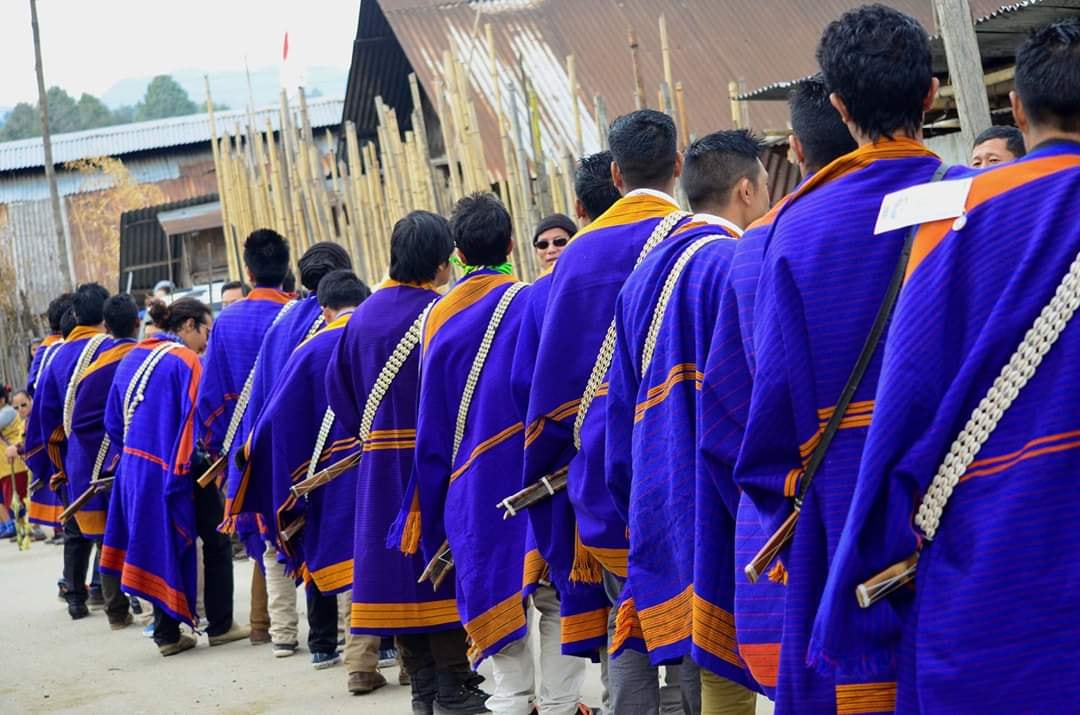
Adi Tribe, Arunachal Pradesh