Loading...

The Andaman and Nicobar Islands, located in the Bay of Bengal, are home to several indigenous tribes, each with its own distinct culture, languages, and traditions. Some of the prominent tribes in the Andaman and Nicobar Islands include:

Know more

These tribes have faced various challenges, including cultural preservation, changes in their traditional lifestyle, and the impact of external influences. The Indian government has implemented protective measures to preserve the unique cultural heritage of these indigenous tribes and limit outside interference in their territories. It is essential to respect the autonomy and cultural sensitivities of these tribes to ensure their well-being and cultural continuity.

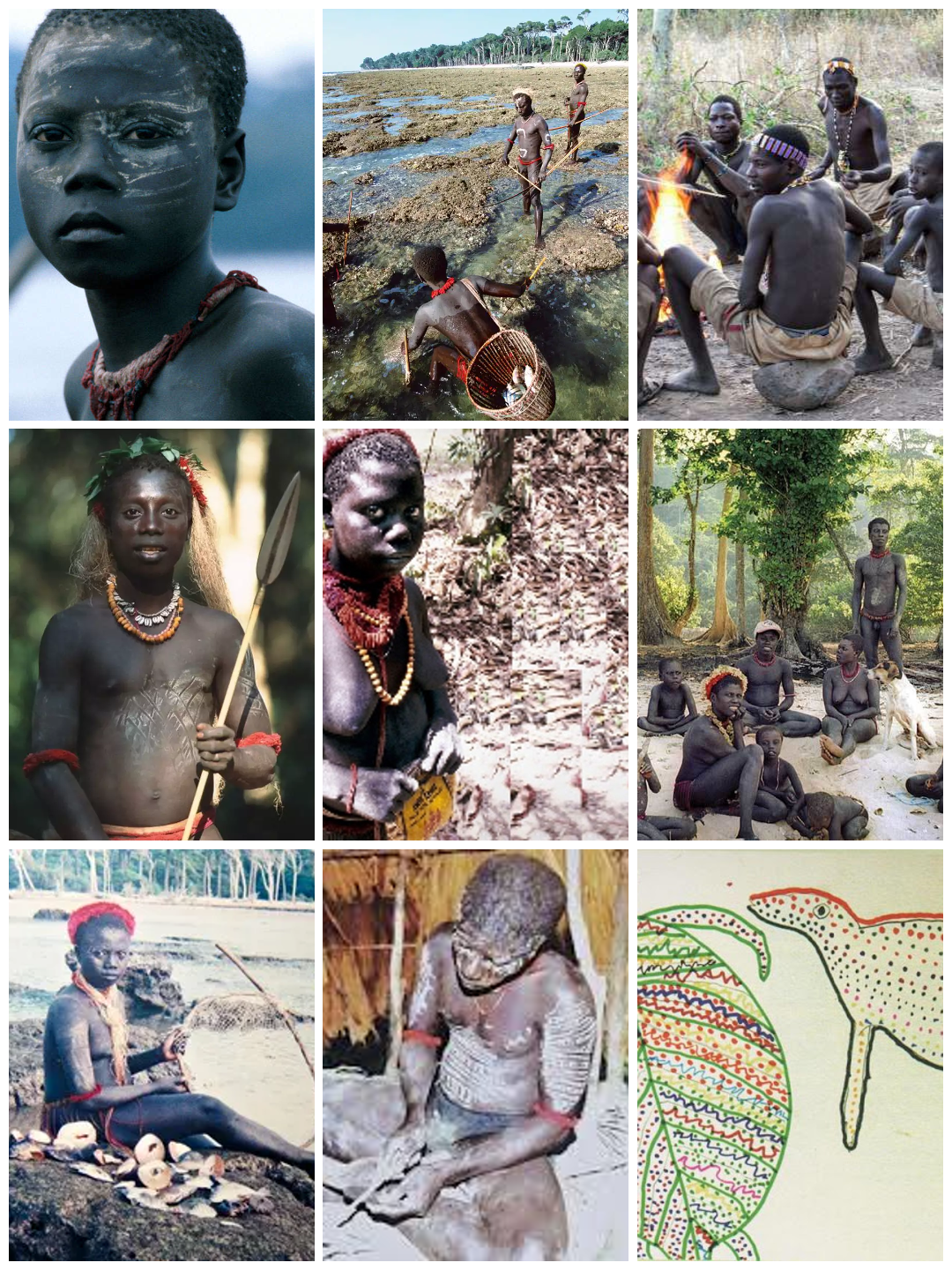
Great Andamanese:
  • The Great Andamanese were historically one of the largest tribal groups in the islands.
  • Over time, their population has significantly declined, and only a few members remain today.
Onge:
  • The Onge people primarily inhabit Little Andaman.
  • They traditionally engaged in hunting, gathering, and fishing, and their lifestyle is closely connected to the natural resources of the islands.
Jarawa:
  • The Jarawa tribe resides in Middle and South Andaman Islands.
  • They have a unique and isolated lifestyle, with limited interaction with the outside world.
Sentinelese:
  • The Sentinalese are one of the few remaining uncontacted tribes globally.
  • They inhabit North Sentinel Island and are known for their isolation and resistance to outside contact.
Nicobarese:
  • The Nicobarese are the major ethnic group in the Nicobar Islands.
  • They have their own language and cultural practices, including traditional dances and music.
Shompens:
  • The Shompens primarily reside in Great Nicobar Island.
  • They traditionally practiced slash-and-burn agriculture and have distinctive cultural practices.
Nicobar Tribes:
  • Apart from the Nicobarese and Shompens, there are smaller Nicobar tribes like the Moken, Nicobarese Mongoloid, and others, each with its unique cultural attribues.
Andaman and Nicobar

Great Andamanese Tribe

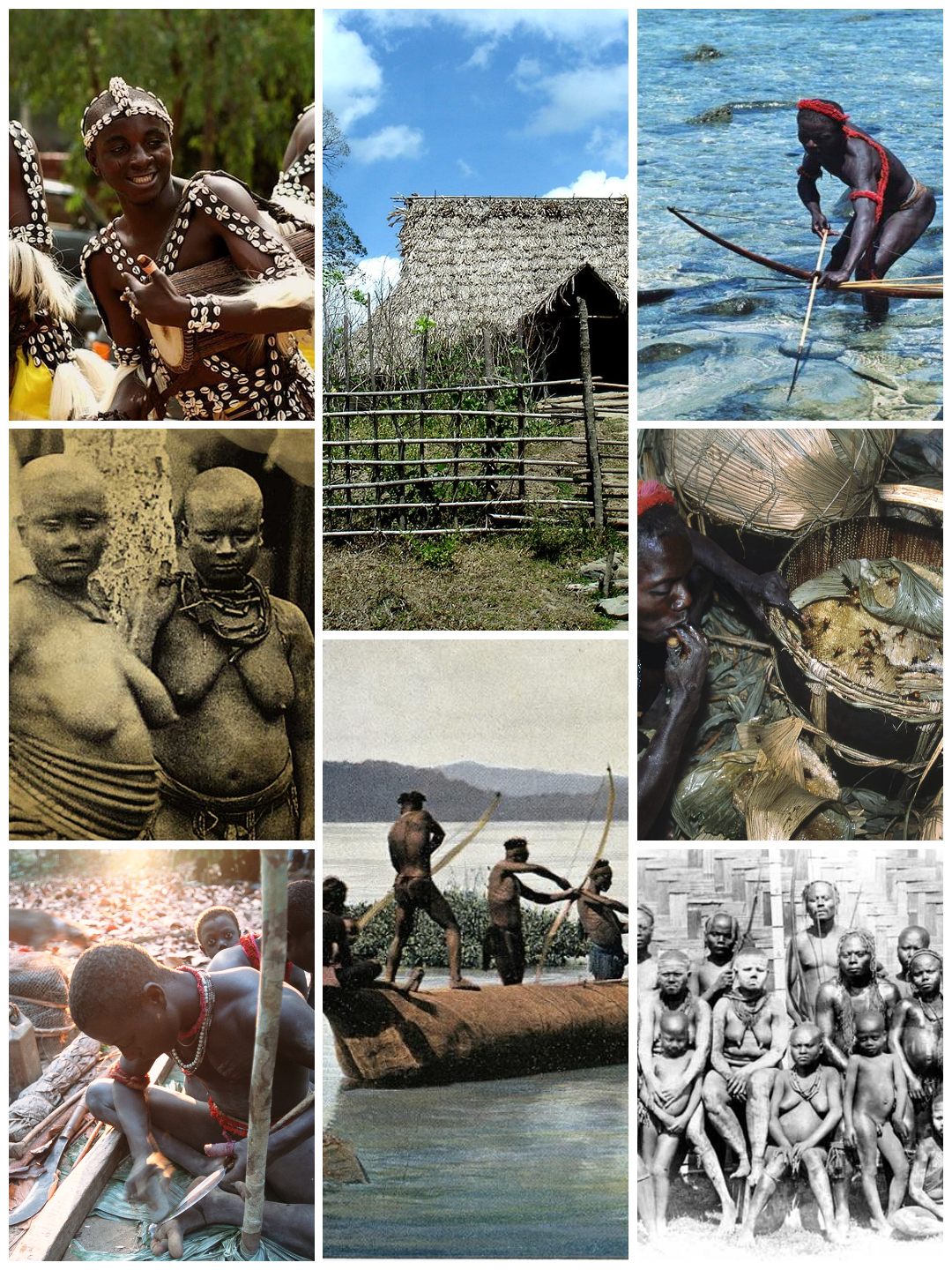
Origin and Existence: The Great Andamanese were historically one of the largest indigenous tribes in the Andaman Islands. Comprising several distinct groups, they inhabited various parts of the Andaman Islands.
Traditional Culture: The Great Andamanese had a unique cultural identity, with distinctive customs, languages, and social practices. Their cultural practices were deeply connected to the natural environment of the islands.
Art and Craft: Skilled in traditional crafts such as basket weaving, pottery, and creating tools from materials found in their surroundings. The tribe's art and craft were often utilitarian, serving their daily needs and rituals.
Lifestyle and Occupation: Historically, the Great Andamanese were hunter-gatherers, relying on fishing, hunting, and foraging for sustenance. They practiced a nomadic lifestyle, moving between different parts of the islands based on seasonal availability of resources.
Attire and Adornments: The Great Andamanese did not have elaborate clothing traditions. Adornments were likely simple, made from natural materials such as leaves, shells, and feathers.
Cuisine and Diet: The tribe's diet primarily consisted of fish, seafood, roots, tubers, and other edible plants available in the Andaman Islands. Their diet was adapted to the diverse ecosystem of the islands.
Music, Dance, and Festivals: The Great Andamanese had their unique music and dance forms. Festivals and rituals were likely centered around natural events, seasons, and communal activities.
Societal Importance: The Great Andamanese held cultural and historical significance as one of the original inhabitants of the Andaman Islands. Unfortunately, due to various historical factors, their population significantly declined over the years, impacting their societal importance.
Current Situation: As of the latest available information, the Great Andamanese are one of the most critically endangered indigenous tribes. The surviving members are few in number, and efforts are being made to preserve their cultural heritage and ensure their well-being.
Andamanese Tribe, Andaman and Nicobar Islands
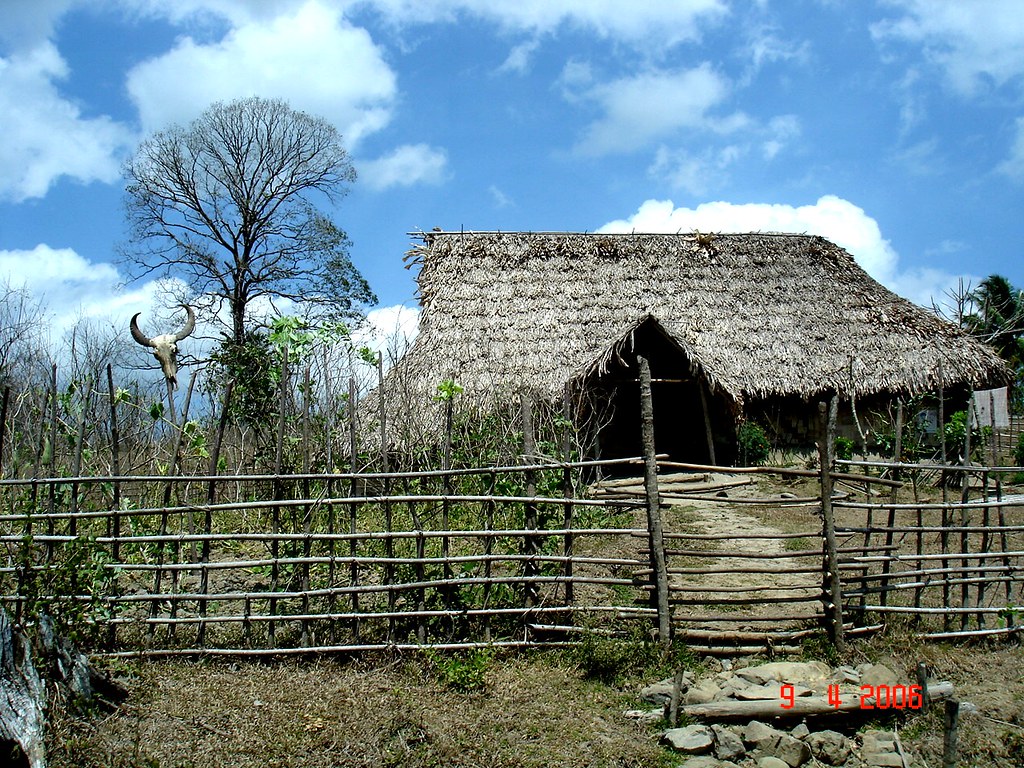
Jawara Tribe

Origin and Existence: The Jarawa are one of the indigenous tribes of the Andaman Islands, particularly found in Middle and South Andaman. They have a long history of inhabiting the dense tropical forests of the region.
Traditional Culture: The Jarawa have a unique cultural identity with distinct customs, beliefs, and languages. Due to their isolation, much of their traditional culture remains less known to the outside world.
Art and Craft: Limited information is available about specific art and craft practices of the Jarawa. Like many hunter-gatherer societies, their tools and artifacts were likely functional and made from locally available materials.
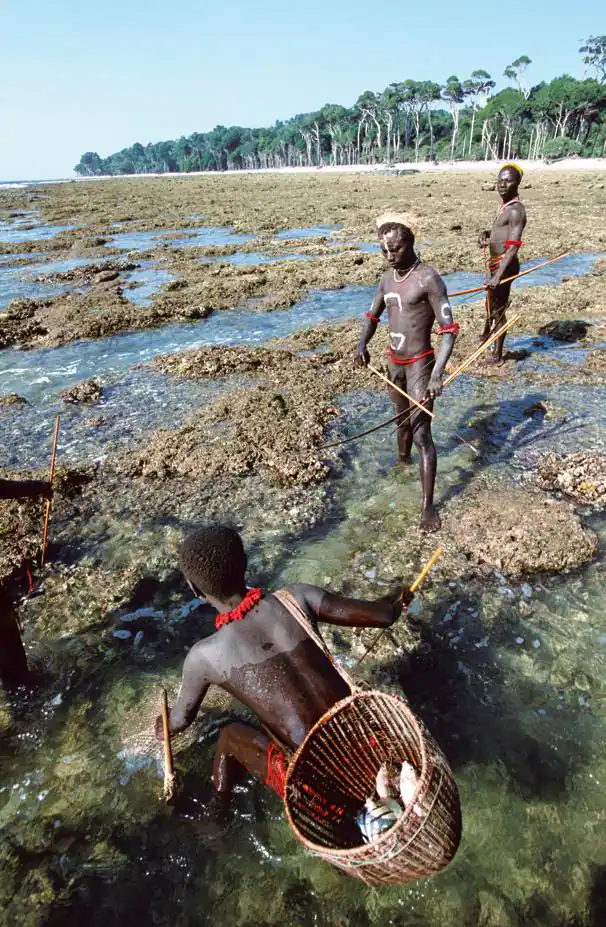
Lifestyle and Occupation: Historically, the Jarawa were nomadic hunter-gatherers, relying on the rich biodiversity of the Andaman Islands for sustenance. They hunted, fished, and gathered resources from the forests, adapting their lifestyle to the natural environment.
Traditional Attire and Adornments: The Jarawa traditionally wore minimal clothing, often using natural materials such as leaves and bark. Adornments were likely simple and made from items found in their surroundings.
Cuisine and Diet: The Jarawa's diet primarily consisted of fish, seafood, wild fruits, roots, and other forest produce. Their diet was adapted to the diverse ecosystem of the Andaman Islands.
Music, Dance, and Festivals: The Jarawa have gained international attention due to their isolation and limited contact with the outside world. Efforts have been made to protect their rights, preserve their cultural heritage, and ensure their well-being.
Societal Importance: The Jarawa continue to face challenges, including encroachment on their traditional lands and potential impacts of increased contact with the outside world. Various measures are in place to protect their rights, control contact, and promote the preservation of their unique cultural identity.
Jarawa Tribe, Andaman and Nicobar Islands
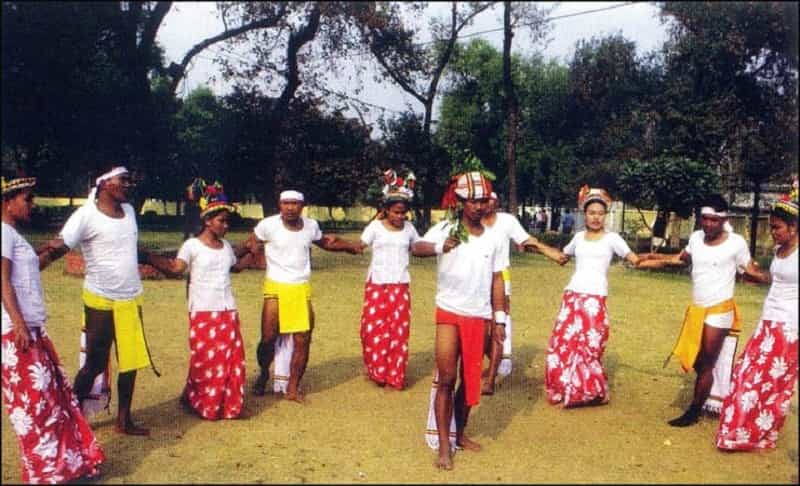
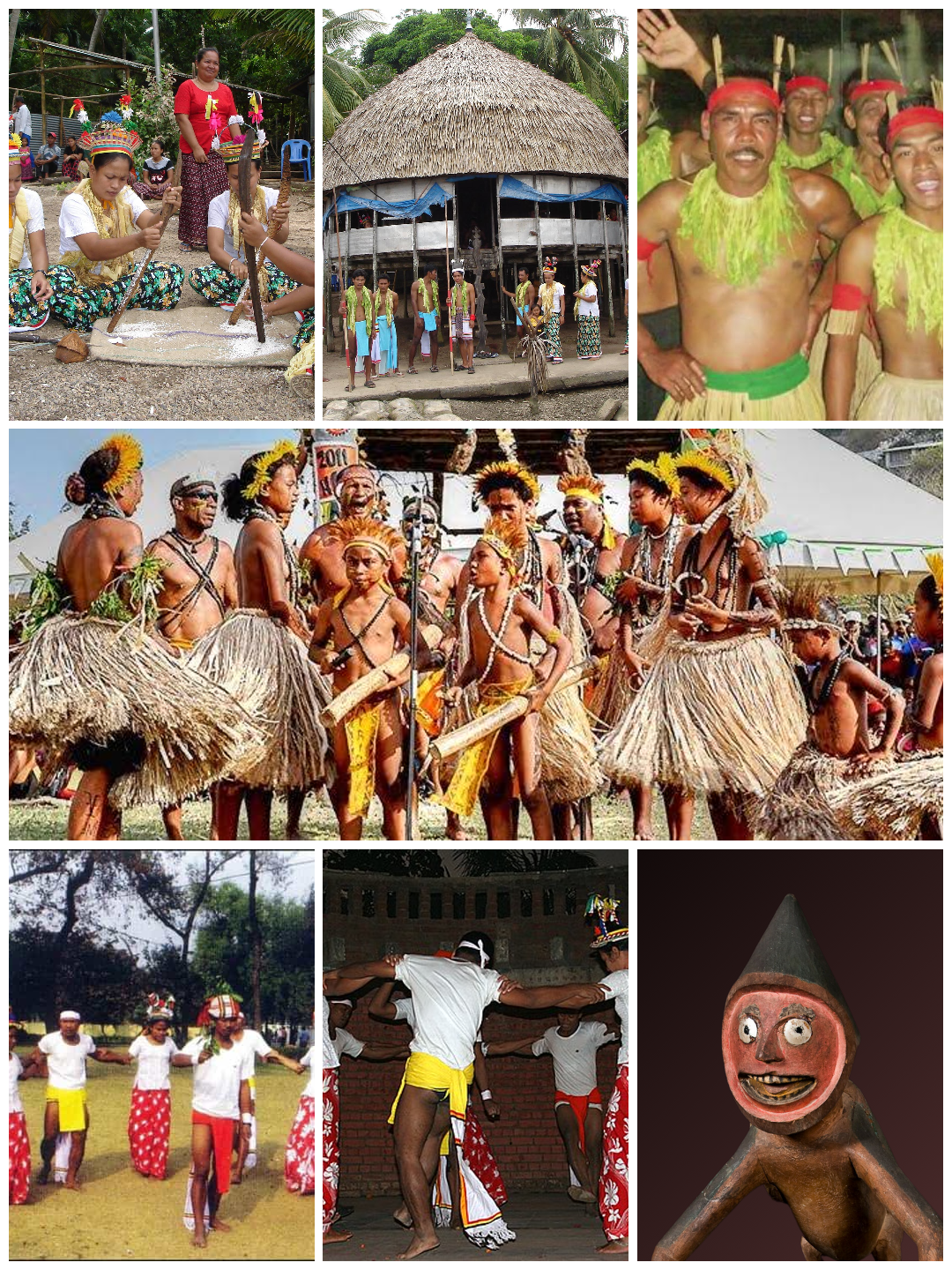
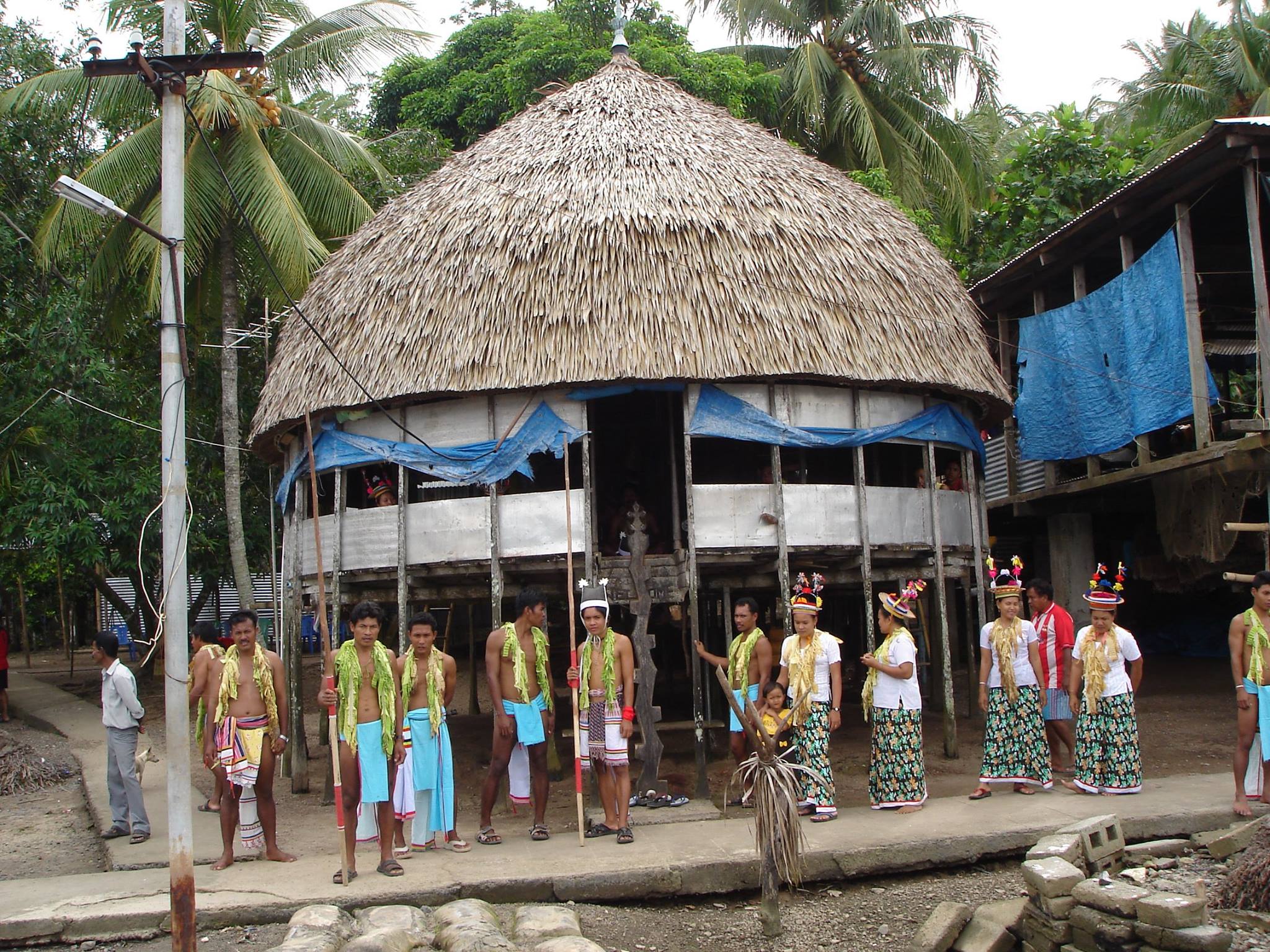
Lotha Tribe

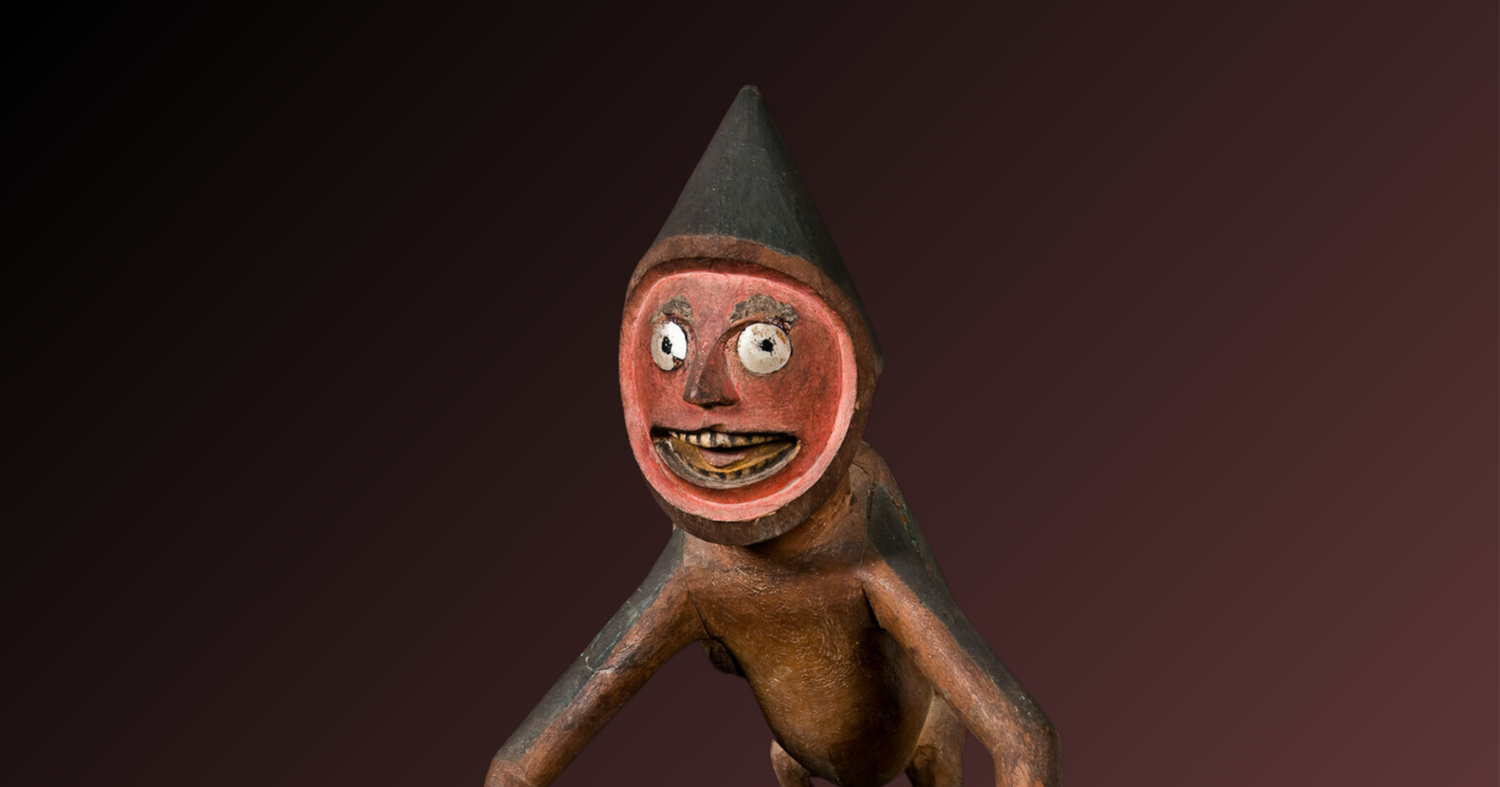
Origin and Existence: The Nicobarese are one of the major ethnic groups indigenous to the Nicobar Islands, situated in the Bay of Bengal. They have a long history of inhabiting these islands and have developed a distinctive cultural identity.
Traditional Culture: Nicobarese culture is characterized by a mix of indigenous traditions, including animistic beliefs and practices, and influences from outside cultures. Their cultural practices are deeply connected to the natural environment of the Nicobar Islands.
Art and Craft: Skilled in traditional crafts such as basket weaving, mat making, and wood carving. Nicobarese artisans create intricate designs on traditional artifacts, showcasing their craftsmanship.
Lifestyle and Occupation: Historically, the Nicobarese were engaged in agriculture, cultivating crops such as coconut, banana, and various fruits. Fishing and hunting were integral to their lifestyle, given the coastal and forested nature of the Nicobar Islands. In contemporary times, some Nicobarese also pursue modern occupations, including government services and trade.
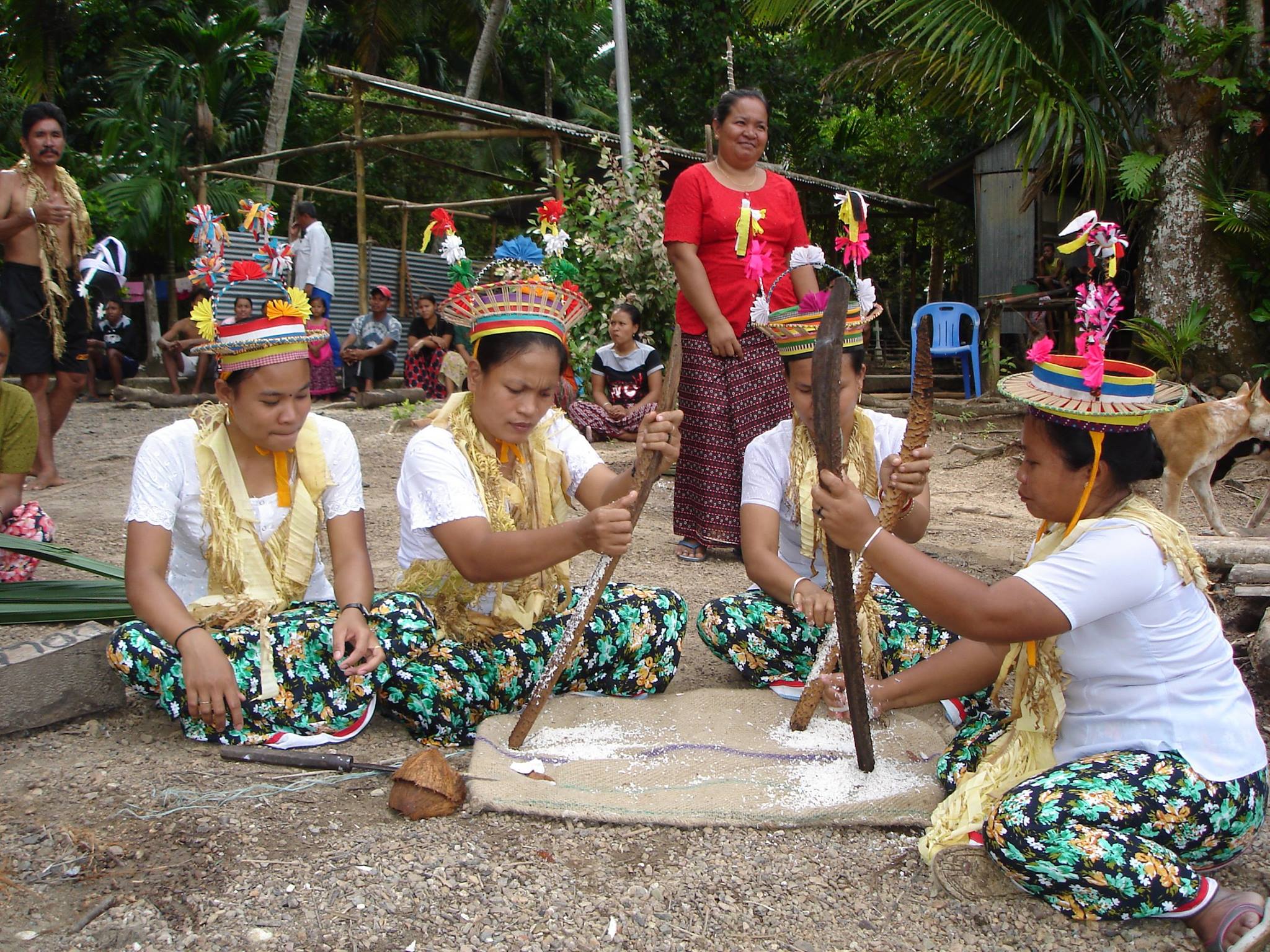
Traditional Attire and Adornments: Traditional Nicobarese attire includes garments made from woven palm leaves and other natural fibers. Adornments may include traditional jewelry made from shells, coconut shells, and natural materials.
Cuisine and Diet: The Nicobarese diet comprises staple crops like coconut, banana, and tubers, along with fish and seafood. Traditional Nicobarese cuisine features a variety of dishes prepared with local ingredients and indigenous spices
Music, Dance, and Festivals: Traditional Nicobarese music involves the use of instruments like drums and bamboo flutes. Nicobarese dance forms are vibrant and often performed during festivals, celebrations, and cultural events. The Pig Festival (Pig Dance) is a significant celebration marked by traditional dances and rituals.
Societal Importance: The Nicobarese are a major ethnic group in the Nicobar Islands and hold cultural and historical significance. They contribute to the cultural diversity of the region and actively participate in community development. Nicobarese leaders and community members play roles in local governance, contributing to the overall welfare of the community.
Nicobarese Tribe, Andaman and Nicobar Islands